
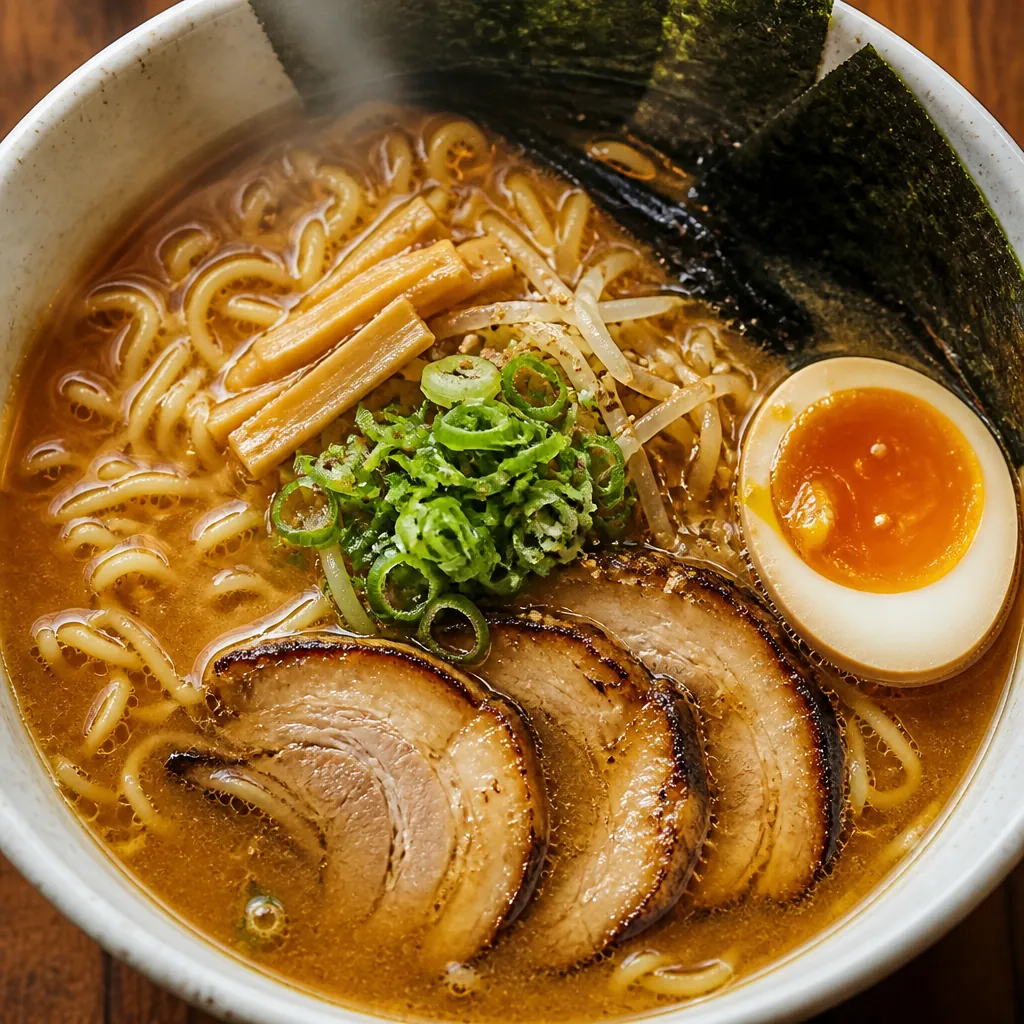
Most ramen enthusiasts can tell you that miso ramen is rich, warming, and deeply savory. Far fewer can tell you exactly why it hits differently from every other bowl on the menu. The answer is fermentation. Miso ramen is not simply ramen with miso stirred in. It is a complete culinary philosophy born in the bitter cold of northern Japan, built on a paste that can take months or years to develop its character. If you have ever ordered a bowl and wondered what that layered, almost cheesy depth of flavor actually is, this deep dive is for you. At Zen Ramen and Sushi, miso ramen sits at the center of what we do, and we think it deserves a thorough explanation.
Table of Contents
- Quick Takeaways
- What Is Miso Ramen and Why Is It Different
- The Sapporo Origin Story: Born in the Cold
- Fermented Miso Explained: Red, White, and Yellow
- Anatomy of a Bowl: Broth, Noodles, and Toppings
- Regional Variations Beyond Sapporo
- Miso Ramen vs. Other Japanese Ramen Styles
- What to Look for in a Great Bowl
- Frequently Asked Questions
- References
Quick Takeaways
| Key Insight | Explanation |
|---|---|
| Miso ramen originated in Sapporo, Hokkaido | The style was developed in the mid-20th century at Aji no Sanpei, a ramen restaurant in Sapporo, Japan’s largest northern city. |
| Miso is one of three ramen tare types | Miso joins shio (salt) and shoyu (soy sauce) as the three foundational seasoning pastes used to flavor Japanese ramen broth. |
| The type of miso changes everything | Red miso (akamiso) delivers bold, salty intensity. White miso (shiromiso) is milder and sweeter. Yellow (shinshu) miso lands in between. |
| Thick, wavy noodles are traditional in Sapporo-style bowls | The dense, high-hydration curly noodles hold up to the heavy miso broth without going soft quickly. |
| Classic toppings are not optional decoration | Corn, butter, bean sprouts, ground pork, and green onions are standard Sapporo toppings, each balancing the richness of the miso broth. |
| Miso contains probiotics from fermentation | Because miso is naturally fermented, it contains beneficial bacteria that support gut health and contribute complex umami flavor simultaneously. |
| A layer of fat on top is intentional | Sapporo-style bowls often carry a visible layer of pork lard or oil, which traps heat in the bowl and extends the richness of each sip. |
What Is Miso Ramen and Why Is It Different
Miso ramen belongs to the family of Japanese noodle soups, but its seasoning sets it completely apart. Where shoyu ramen relies on soy sauce for its savory backbone and shio ramen keeps things clean and salty, miso ramen uses fermented soybean paste as the core tare, the concentrated seasoning that defines the broth’s identity.
The result is a broth that tastes like no other. It carries the roundness of umami, a faint nuttiness, a subtle tang from fermentation, and a richness that coats your palate. Describing miso flavor well is genuinely difficult. One useful reference point: it tastes something like a cross between salty cheese and toasted nuts, with a deeply savory, almost meaty quality, even when no meat is involved.
This is why miso ramen is also the most forgiving base for vegetarian preparations. The fermented miso delivers enough umami depth on its own that the absence of pork bone broth does not leave the bowl feeling thin. That said, the most traditional Sapporo-style versions do use a pork or chicken stock as the broth foundation, with the miso paste dissolved in and finished before serving.
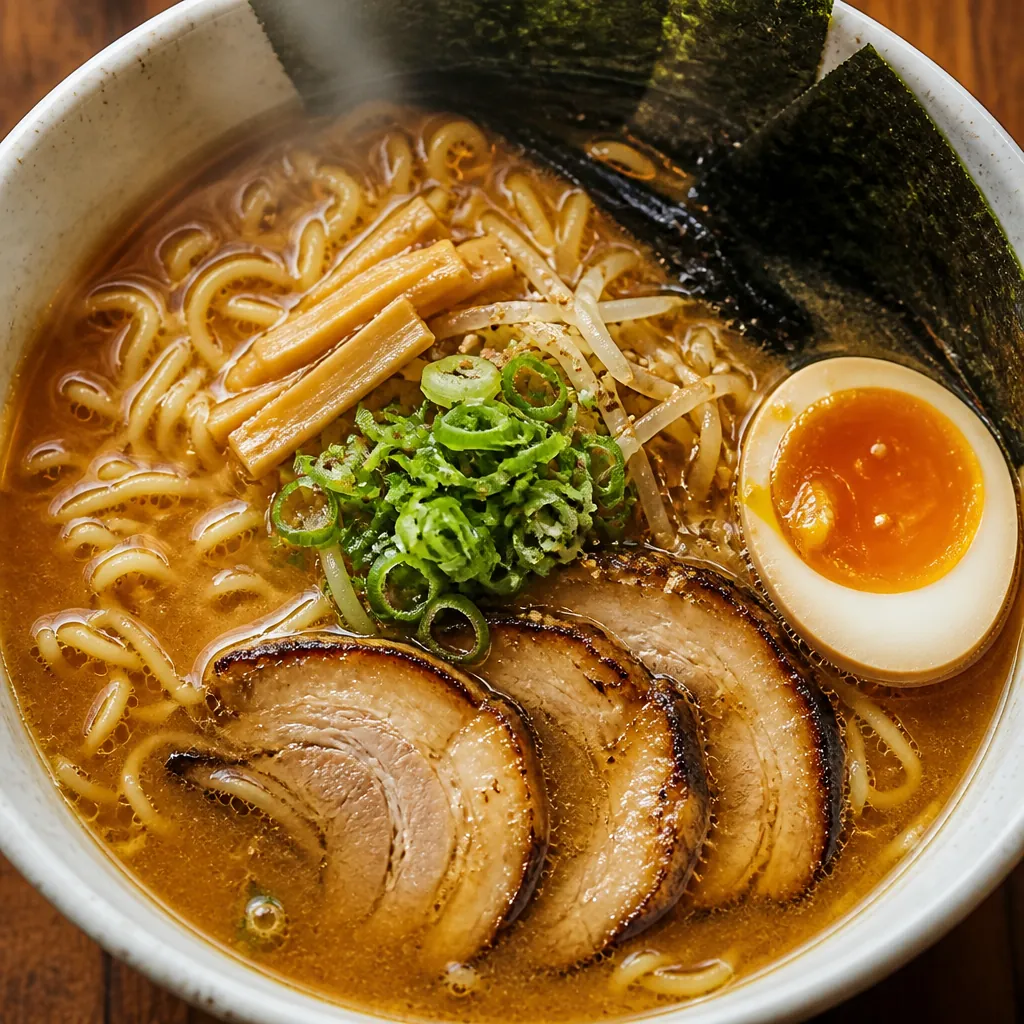
The Sapporo Origin Story: Born in the Cold
The geography of miso ramen’s birthplace is not a coincidence. Sapporo is the largest city on Hokkaido, Japan’s northernmost main island, and the winters there are brutal. A bowl of ramen needed to stay hot, deliver real calories, and fortify people against the cold. Standard broths were not up to that task on their own.
Credit for the style is most commonly given to Aji no Sanpei, a ramen shop in Sapporo that introduced miso ramen in the early 1950s. Before this development, most bowls in Sapporo were shoyu-based. The addition of fermented miso paste was transformative. It thickened the broth, dramatically deepened the flavor, and gave the soup a staying power that lighter styles simply lacked.
The Sumire and Junren Influence
A second wave of Sapporo miso ramen arrived in the 1980s through a shop known as Sumire, which later split into two separate entities: Sumire and Junren. Their version of the bowl introduced a thick layer of pork lard floating on the broth’s surface. This was not purely about flavor, though the fat adds undeniable depth. It also traps heat inside the bowl, keeping the soup scalding hot far longer than an uncovered surface would.
This innovation became definitional for Sapporo-style miso ramen. The fat layer is not a mistake or an excess. It is a functional, climate-driven design choice that also happens to taste remarkable. That combination of practical purpose and flavor impact is what makes Sapporo ramen so distinctive among all Japanese ramen styles.
Pro tip: When you are served a Sapporo-style miso ramen, resist the urge to stir immediately. Let the fat layer do its job for the first minute. The bottom of the bowl stays hotter longer, and the noodles maintain their texture better when not rushed.
Fermented Miso Explained: Red, White, and Yellow
Miso paste is made from fermented soybeans ground to a smooth or slightly chunky consistency. But calling all miso the same would be like calling all wine “red grape juice.” The fermentation time, the koji culture used, and the grain base all produce dramatically different results across three main categories.
Shiromiso: White Miso
White miso (shiromiso) is the least aged of the three types, typically fermented for only three to four weeks. It has the lowest salt content and the sweetest, most mellow flavor profile. In ramen, white miso produces a gentler, slightly sweet broth that works beautifully with chicken-based stocks and light vegetable combinations. It is the most accessible starting point for people who find the full-bodied versions too assertive.
Shinshu Miso: Yellow Miso
Yellow miso (shinshu miso) sits between white and red on every scale: fermentation time, salt content, and intensity. It has an earthier character than shiromiso with a versatile flavor that pairs well with most broth bases. Many ramen shops that blend their own miso tare use shinshu as a foundation, building on it with additions of red miso or other aromatics to reach their house flavor.
Akamiso: Red Miso
Red miso (akamiso) is the powerhouse. It is fermented the longest and carries the boldest, saltiest, most assertive flavor of the three. In ramen, it delivers a broth with real intensity, a darker color, and a depth that can feel almost meaty. Sendai, in the northern Tohoku region, is particularly associated with akamiso ramen that features a full-bodied, unapologetically savory profile.
Miso is one of three types of tare used to flavor ramen soup broth in Japan. The other two are shio and shoyu. Each one creates a fundamentally different bowl, not just a different taste on the same base.
In practice, many ramen chefs work with blended miso tare that combines two or more miso types to achieve a specific balance. A common approach is blending akamiso for depth with a small proportion of shiromiso to soften the saltiness and add a touch of sweetness. This is the kind of decision that separates a great miso ramen from a mediocre one.
Pro tip: If you are ever choosing between miso ramen options and want to understand the heat tolerance of each miso type, remember that boiling destroys probiotics. A well-made miso ramen adds the miso paste after the broth has come off direct heat, preserving more of the beneficial fermentation properties in your bowl.
Anatomy of a Bowl: Broth, Noodles, and Toppings
A properly constructed miso ramen bowl has multiple components working together. Understanding what each one does makes you a far more discerning diner, whether you are ordering at Zen Ramen and Sushi or reading a menu anywhere in the world.
The Broth Base
Miso ramen starts with a stock, typically built from pork bones, chicken, seafood, or dashi. The miso tare is added separately, which means a kitchen can use one excellent base stock and dial the seasoning differently for each ramen style on the menu. This is part of what makes miso ramen so adaptable. The broth tends toward an oily richness, with a color that ranges from golden yellow to deep reddish-brown depending on the miso blend.
The Noodles
Sapporo-style miso ramen calls for thick, wavy, high-hydration noodles, often with a slight yellow pigment from the alkaline water used in production. These noodles have enough structure to hold their shape in the heavy broth and deliver a satisfying chew throughout the bowl. Using thin ramen noodles in a full-bodied miso broth is a common misstep. The noodle and broth weight need to match.
The Toppings
Classic Sapporo toppings include corn (for sweetness), butter (for additional richness and creaminess), bean sprouts (for crunch and freshness), ground pork or minced meat, and sliced green onions. Additional layers of umami often come from a soft-boiled ramen egg, nori seaweed, and menma (fermented bamboo shoots). None of these toppings are arbitrary. Each one either contrasts the broth’s richness, adds textural variety, or amplifies the existing umami.
Regional Variations Beyond Sapporo
Sapporo may have started the miso ramen movement, but the style spread across Japan and evolved in every region that adopted it. Understanding these variations helps you appreciate why no two miso ramen bowls need to taste identical.
In Asahikawa, also in Hokkaido, the miso ramen tradition incorporates soy sauce or darker stocks alongside miso, producing a slightly richer broth with a more complex, layered flavor profile. The bowl shares Sapporo’s commitment to heartiness but has its own distinct character.
In Sendai and other parts of the northern Tohoku region, akamiso (red miso) takes center stage. These bowls feature a bold, salty-umami richness that satisfies anyone who finds milder styles unsatisfying. The flavor is assertive without being harsh when the miso is well-made and the broth properly balanced.
In the Shinshu region and parts of central Japan, white miso varieties produce a noticeably gentler, slightly sweet bowl. These regional interpretations use the local miso production tradition rather than importing Hokkaido-style conventions, which means the miso itself reflects the local terroir of fermentation as much as any wine reflects its vineyard.
Even Yamagata prefecture developed its own miso ramen approach in the 1950s. At ramen restaurant Ryu Shanghai, the miso was not dissolved into the broth but instead presented as a concentrated, spicy miso ball served alongside the soup. This less famous variation is a reminder that the “rules” of miso ramen have always been more like guidelines.
Miso Ramen vs. Other Japanese Ramen Styles
To truly understand miso ramen’s position in Japanese culinary culture, it helps to see it directly alongside the other major styles. Each style has a distinct broth character, noodle preference, and regional origin. Here is a direct comparison of the three most significant styles.
| Feature | Miso Ramen (Sapporo) | Shoyu Ramen (Tokyo) | Tonkotsu Ramen (Hakata) |
|---|---|---|---|
| Broth base | Pork or chicken stock with fermented miso tare | Chicken and vegetable stock with soy sauce tare | Long-simmered pork bone broth |
| Color | Golden to deep reddish-brown | Clear, light brown | Creamy, milky white |
| Flavor profile | Rich, nutty, funky, umami-forward | Tangy, salty, savory, balanced | Intensely rich, fatty, porky |
| Noodle type | Thick, wavy, high-hydration | Curly, medium thickness | Thin, straight |
| Classic toppings | Corn, butter, bean sprouts, ground pork | Bamboo shoots, nori, boiled egg, chashu | Chashu, pickled ginger, sesame, green onion |
| Regional origin | Hokkaido (Northern Japan) | Tokyo (Central Japan) | Fukuoka (Southern Japan) |
The key distinction between miso ramen and the other two dominant styles is the active role of fermentation in defining flavor. Shoyu ramen is seasoned with soy sauce, which is also fermented, but the sauce plays a more subordinate supporting role to the stock. Tonkotsu derives its character purely from the collagen and fat released by long pork bone cooking. Miso ramen, by contrast, puts fermented paste at the absolute center, making it the only major style where the tare is genuinely the star of the show.
What to Look for in a Great Bowl
If you are ordering miso ramen at Zen Ramen and Sushi or evaluating it anywhere else, there are specific signals that tell you whether a bowl has been made with real care or simply assembled from shortcuts.
First, look at the surface. A properly made Sapporo-style miso ramen should show a visible layer of fat or oil, not a greasy accident but a deliberate coating. This tells you the kitchen understands the tradition and has not tried to sanitize it for people who find it visually unfamiliar.
Second, taste the broth within the first thirty seconds. Good miso ramen broth should not taste primarily salty. Salt is there, but it should be underneath layers of nuttiness, umami, and a faint fermentation tang. If the dominant impression is just “salty,” the miso was low quality or the balance was not achieved.
Third, check the noodles. In a well-constructed bowl, the thick wavy noodles should still have real texture midway through the bowl. If they have turned mushy before you finish, either the noodle hydration was wrong or the bowl sat too long before it reached you.
A common mistake among people trying miso ramen for the first time is comparing it to miso soup and expecting something similar. They are fundamentally different preparations. Miso soup is a light, delicate dish built from dashi with miso dissolved in for seasoning. Miso ramen is a hearty, full-calorie meal where the miso is working much harder, supporting a richer stock, heavier noodles, and substantial toppings.
At Zen Ramen and Sushi, we believe the best version of this bowl is one where every component earns its place. If you have been curious about miso ramen but have not yet tried it, this is the bowl that will most likely convert you into a regular.
Frequently Asked Questions
What makes miso ramen different from other ramen types?
Miso ramen uses fermented soybean paste as its core tare, the seasoning concentrate added to the broth. This is distinct from shoyu ramen, which uses soy sauce, and shio ramen, which uses salt. The fermented miso delivers a uniquely rich, nutty, umami-forward flavor that cannot be replicated with any other seasoning base.
Is Sapporo ramen the same as miso ramen?
Sapporo ramen is the most famous regional style of miso ramen and is strongly associated with the dish to the point where the names are often used interchangeably. However, miso ramen also appears in many other regional styles across Japan, including variations from Asahikawa, Sendai, and the Shinshu region, each using different types of miso and broth combinations.
What are the three types of miso used in ramen?
The three main miso types are shiromiso (white miso), which is mildest and sweetest; shinshu miso (yellow miso), which is earthier and more versatile; and akamiso (red miso), which is the most intensely flavored, saltiest, and boldest of the three. Many ramen kitchens blend two or more types to create a house miso tare with a specific flavor profile.
Why does miso ramen have corn and butter as toppings?
Corn and butter are classic Sapporo-style toppings with specific functions in the bowl. Corn provides a sweet contrast that cuts through the savory depth of the miso broth. Butter adds an additional layer of richness and a creamy body that integrates with the fat already present in the soup. Both toppings have become so associated with Sapporo miso ramen that they are now considered part of the regional identity of the dish.
Does miso ramen have health benefits from fermentation?
Miso is a naturally fermented food that contains probiotics supporting a healthy gut microbiome. It is also rich in vitamins B, E, and K, as well as minerals including zinc and manganese. The key consideration is heat: adding miso paste directly to boiling broth destroys many of the beneficial bacteria. A kitchen that cares about this will dissolve the miso into the broth after removing it from direct heat, preserving more of the fermentation-derived nutritional value.
What should I order if I have never tried miso ramen before?
Start with a Sapporo-style miso ramen that uses a blended miso tare, ideally with the traditional toppings of corn, butter, and ground pork. This is the most balanced introduction to the style. If you prefer a gentler entry point, ask about a white miso broth option, which delivers the fermented character without the full intensity of red miso. Either way, commit to the full bowl including toppings rather than customizing them out, as the toppings are part of the broth balance, not just decoration.
Have you tried miso ramen before, and did the broth surprise you in any way? We would love to hear what you thought of the bowl.
References
- Miso ramen origins and Sapporo history explained by Tokyo Ramen Tours
- Sapporo-style miso ramen background and ingredients on MasterClass
- Guide to miso ramen types, toppings, and regional variations at Yamachan Ramen
- Regional Japanese ramen styles overview from the Michelin Guide
- The three types of miso paste and how to use them, explained by Tasting Table