
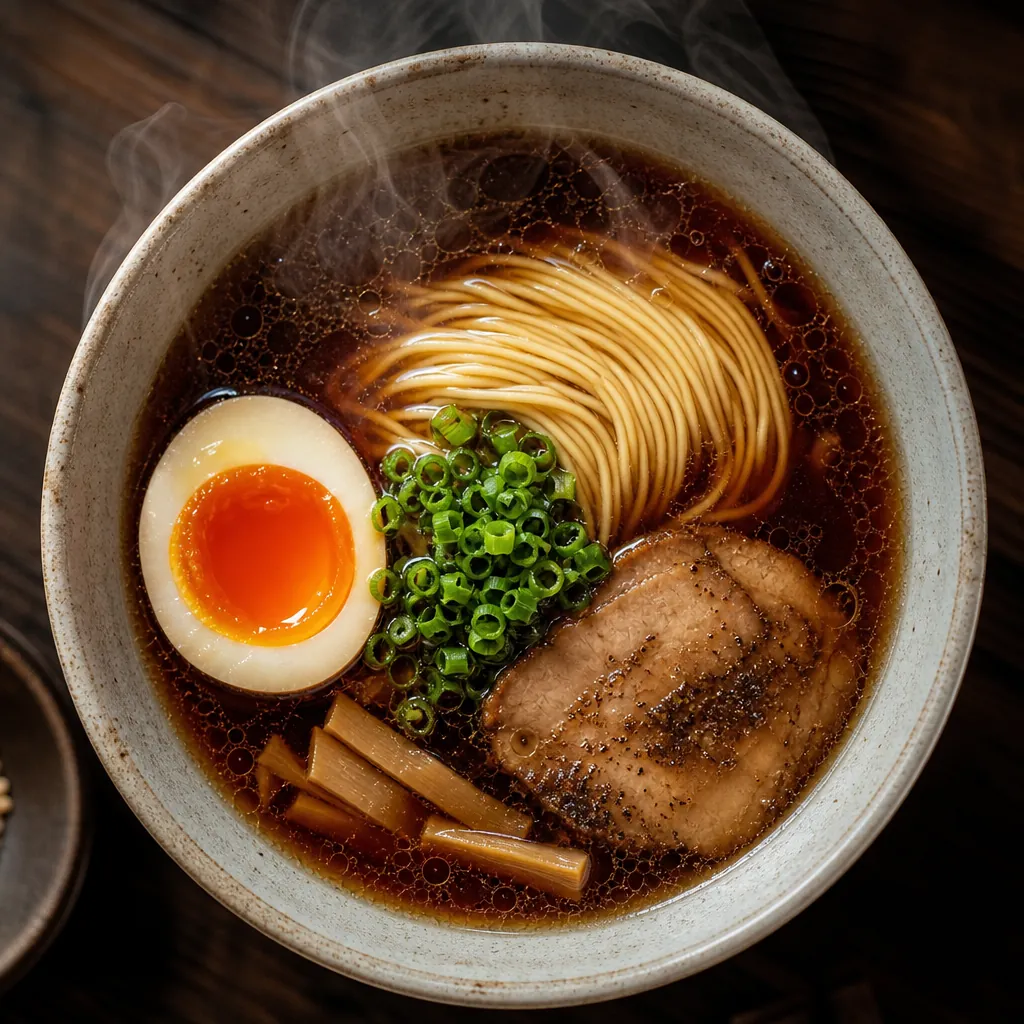
Most people walk into a Japanese restaurant, glance at the menu, and default to what they already know. They miss half of what makes the experience worth having. If a friend pointed you toward Zen Ramen and Sushi, there is a reason: the food rewards people who know what to order, how to order it, and what to expect. These Japanese restaurant dining tips are built for exactly that situation. Whether you are navigating a ramen bowl for the first time or want to get more out of your sushi order, this guide covers the specifics that actually matter.
Table of Contents
- Quick Takeaways
- Why Japanese Dining Etiquette Matters
- How to Order Ramen Like You Mean It
- Sushi Ordering Fundamentals
- Casual Japanese Dining: What to Expect
- Ramen vs. Sushi: Which to Lead With
- Common Mistakes First-Timers Make
- Finding the Right Japanese Restaurant Near You
- Frequently Asked Questions
- References
Quick Takeaways
| Key Insight | Explanation |
|---|---|
| Broth richness is a personal call | Ramen broth intensity (kotteri vs. assari) should match your appetite, not just popularity. Ask your server which option is lighter if you want a cleaner finish. |
| Soy sauce on sashimi, not rice | Dipping sushi rice in soy sauce oversalts the bite and masks the fish. Apply soy sauce sparingly to the fish side only. |
| Order ramen before starters | Ramen is best eaten immediately when it arrives. Time your appetizers so they clear before the bowl comes out. |
| Wasabi belongs in the soy sauce dish, minimally | A small amount dissolved into soy sauce works. Piling wasabi directly onto a roll overpowers the fish entirely. |
| Slurping ramen is not rude | In Japanese food culture, slurping signals enjoyment and helps cool the noodles as you eat. Do it without guilt. |
| Ask about the day’s fish selection | Fresh sushi menus rotate. The daily specials at a quality Japanese restaurant often outperform the printed menu items. |
| Pace your sushi order in rounds | Order 3-4 pieces at a time rather than everything at once. Sushi quality drops when it sits, and pacing keeps each piece at its best. |
Why Japanese Dining Etiquette Matters
Japanese cuisine etiquette is not a set of rules designed to make you feel awkward. It exists because the food was built around specific ways of eating that actually improve the experience. Ignoring those conventions does not just look uninformed, it genuinely affects how the meal tastes and flows.
A common mistake is treating a Japanese restaurant the same way you would treat a casual American diner. The pacing is different, the flavor logic is different, and the role of condiments is different. Getting comfortable with a few basics closes that gap fast.
The Role of the Oshibori
Most traditional Japanese restaurants offer an oshibori, a small warm or cold towel at the start of your meal. It is for your hands only, not your face. Use it before touching food, then set it aside. It is a small thing, but it signals that you understand the space you are in.
Chopstick Basics That Actually Come Up
Never stick chopsticks upright in a rice bowl. That gesture mirrors a funeral ritual in Japanese culture and is considered deeply disrespectful. Rest them on the chopstick holder or across the rim of a dish. Passing food directly from chopstick to chopstick is also avoided for the same cultural reason.
Pro tip: If you are not comfortable with chopsticks, ask for a fork without hesitation. No quality Japanese restaurant will judge you for it, and eating comfortably beats struggling through a meal trying to prove something.
How to Order Ramen Like You Mean It
Knowing how to order ramen correctly makes a measurable difference in how much you enjoy the bowl. Ramen is not a single dish. It is a format with dozens of variables, and the right choices depend on your personal preference, not a ranked list of what is most authentic.
Understanding the Four Base Broths
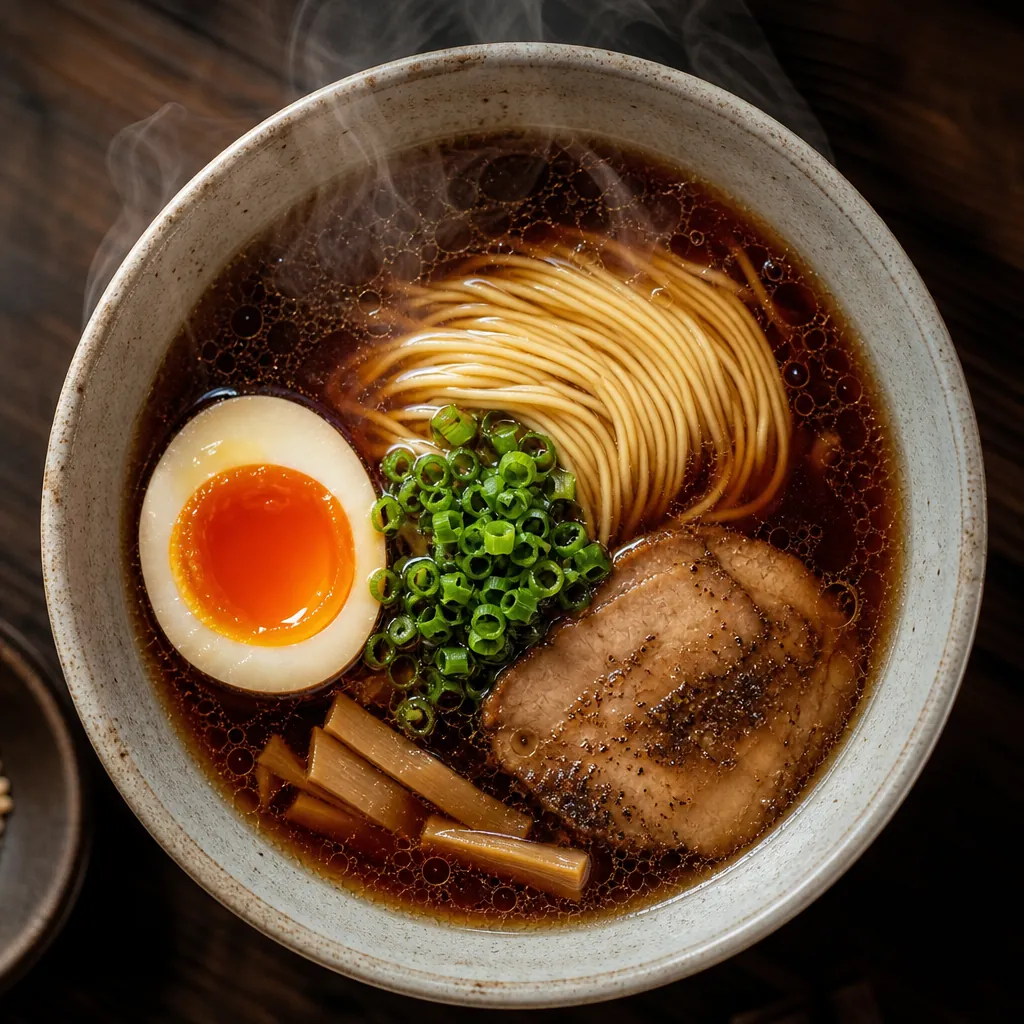
Shoyu (soy sauce-based) is light and savory, the most accessible starting point for newcomers. Shio (salt-based) is the most delicate and clean-tasting. Miso adds depth and a slightly fermented richness. Tonkotsu is the boldest: a pork bone broth cooked for hours until it turns creamy and opaque. If you are eating ramen for the first time, shoyu or shio lets the toppings show through without overwhelming you.
Customizing Your Bowl Without Overthinking It
Most ramen spots let you adjust richness, saltiness, and oil level. At Zen Ramen and Sushi, the right move is to ask your server what the kitchen’s default settings are and then adjust from there. Going all-in on maximum richness on your first visit often means you cannot finish the bowl.
Noodle firmness also matters. Request firm noodles (kata-men) if you eat slowly or plan to linger over the broth. Standard noodles soften quickly in hot soup, and overcooked ramen noodles are a texture problem that no amount of good broth fixes.
Pro tip: If the menu lists a chashu pork option as an add-on, take it. A well-made chashu is slow-braised, fatty, and melts into the broth in a way that changes the entire bowl. It is rarely a bad upgrade.
Sushi Ordering Fundamentals
Sushi menus reward people who understand the difference between maki, nigiri, sashimi, and hand rolls. These are not interchangeable categories. Each has a different ratio of rice to fish, a different eating method, and a different flavor profile.
Nigiri vs. Sashimi vs. Maki
Nigiri is a hand-pressed mound of rice with a single piece of fish on top. It is designed to be eaten in one bite, fish-side down on the tongue so the fish flavor hits first. Sashimi is fish with no rice at all. It is the purest way to evaluate a kitchen’s fish quality. Maki rolls combine rice, nori, and fillings, and they vary from simple to elaborate depending on the roll.
A common mistake at casual Japanese restaurants is ordering only rolls and never trying nigiri or sashimi. The rolls are satisfying, but they are also the most forgiving category for average-quality fish. If you want to know how good a sushi restaurant actually is, order two or three pieces of nigiri with simple toppings like salmon, tuna, or yellowtail.
The Right Order to Eat Sushi
Start with lighter, more delicate fish like flounder or snapper before moving to richer options like salmon belly or eel. If you are mixing ramen and sushi in the same meal, eat the sushi first. Ramen broth is heavy and will coat your palate in a way that makes it harder to taste subtle fish flavors afterward.
Casual Japanese Dining: What to Expect
Casual Japanese dining is not fine dining, and it is not fast food. It occupies a specific middle ground that has its own rhythm. Understanding that rhythm makes the visit smoother for you and for the kitchen.
Ramen shops in particular tend to move at a brisk pace. Tables turn over quickly because the food does not improve with waiting. Do not interpret a fast-moving kitchen as a sign that you are being rushed. It is a sign that they take the food seriously.
What to Do While Waiting for Your Ramen
If you ordered starters like gyoza or edamame, eat them fully before the ramen arrives. The moment a ramen bowl is set down, the clock starts. Noodles continue to cook in the hot broth, so eating immediately is not a suggestion, it is the difference between al dente and mushy.
Sharing Food at a Japanese Restaurant
Sushi is easy to share. Ramen is not. A ramen bowl is built as a single-serving experience calibrated for one diner. You can certainly taste someone else’s bowl, but do not plan a ramen meal around the assumption that splitting will work the same way it does with a shared pizza.
“Japanese cuisine has always been about restraint and precision. The best version of any dish is often the simplest one, prepared with full attention to each ingredient.” — Nobu Matsuhisa, chef and restaurateur
Ramen vs. Sushi: Which to Lead With
This question comes up every time a group of people visits a restaurant like Zen Ramen and Sushi together. The answer depends on what kind of meal you want to have and how hungry you are walking in.
Comparison: Ramen-First vs. Sushi-First vs. Mixed Order Strategy
| Approach | Best For | Potential Downside |
|---|---|---|
| Ramen First | Hungry diners who want a satisfying, filling meal anchored by the broth | Broth heaviness can reduce appetite for sushi afterward |
| Sushi First | Groups who want to graze, share, and evaluate the kitchen’s fish quality before committing to heavier dishes | Pacing can be tricky if ramen arrives before sushi is finished |
| Mixed Order (Starters + Both) | Experienced diners who know their appetite and communicate timing clearly with the server | Requires coordination with the server; easy to over-order |
In practice, the sushi-first approach works better for most groups. It gives the kitchen time to prepare the ramen while you are eating, and it keeps the flavor logic in the right direction. Heavy flavors should follow light ones, not precede them.
Common Mistakes First-Timers Make
The mistakes people make at Japanese restaurants are consistent and predictable. Knowing them in advance means you avoid them without effort.
Over-Using Soy Sauce
Drowning sushi in soy sauce is the single most common error. The rice in nigiri is already seasoned with rice vinegar. The fish has its own flavor. Adding too much soy sauce turns every piece of sushi into a salt delivery vehicle and eliminates the distinction between different fish. Use a small amount, applied to the fish only.
Not Asking Questions About the Menu
A common mistake is assuming that asking questions is a burden on the staff. At a good Japanese restaurant, servers know the menu in detail. Ask what the broth base tastes like. Ask which fish came in fresh today. Ask whether a roll can be modified. The answers will improve your meal more than any amount of pre-reading.
Treating Ginger as a Topping
Pickled ginger served with sushi is a palate cleanser, not a condiment. It goes between pieces of sushi to reset your taste buds, not on top of the sushi itself. Stacking ginger on a roll buries the fish flavor you are there to taste.
Finding the Right Japanese Restaurant Near You
If you searched for ramen and sushi near me and landed on Zen Ramen and Sushi through a friend’s recommendation, that referral carries weight. According to Nielsen’s Trust in Advertising report, 92 percent of consumers trust recommendations from friends and family over any other form of advertising. Word of mouth about food is particularly reliable because the person recommending it has personal stakes in your experience matching theirs.
The difference between a genuinely good Japanese restaurant and a mediocre one often comes down to three things: broth quality in the ramen, fish freshness in the sushi, and whether the menu is coherent or just large. A long menu at a Japanese restaurant is not a sign of quality. It is often the opposite. Kitchens that try to do everything rarely do any single thing exceptionally well.
Zen Ramen and Sushi positions itself as a focused, quality-forward option compared to high-volume chains. The menu depth matters less than the execution of what is on it. When a friend sends you here, they are telling you that the execution holds up.
Frequently Asked Questions
Is it rude to slurp ramen at a Japanese restaurant?
No. Slurping is considered a sign of appreciation in Japanese food culture. It also serves a practical purpose: drawing air in while you eat helps cool the hot broth and noodles. You do not need to be theatrical about it, but you should not feel self-conscious if it happens naturally.
What is the best ramen broth for someone who has never had ramen before?
Start with shoyu or shio. Both are lighter than tonkotsu and miso, and they let you taste the noodles, toppings, and broth without any single element dominating. Once you have a baseline, you can move toward richer options on your next visit.
Can I eat sushi and ramen in the same meal without one ruining the other?
Yes, but order matters. Eat sushi first, then ramen. The delicate flavors of raw fish are easier to appreciate before your palate is coated with rich broth. If you reverse the order, you will still enjoy the sushi, but the contrast will not be as clean.
How do I know if the fish at a sushi restaurant is fresh?
Fresh fish should have no strong or sour smell. The flesh should look firm and vibrant in color, not dull or translucent in an uneven way. Asking your server what came in fresh that day is the most reliable approach. A confident, specific answer is a good sign. Vague responses are not.
What should I order if I am bringing someone who has never had Japanese food?
Start with something approachable: California rolls or shrimp tempura rolls for sushi, and a shoyu or miso ramen for the bowl. Avoid starting a newcomer on raw fish sashimi or tonkotsu broth. Both are excellent, but they are acquired tastes that land better once someone already has a positive reference point for Japanese cuisine.
Is it acceptable to ask for modifications to ramen or sushi at a Japanese restaurant?
For ramen, yes. Most kitchens at quality Japanese restaurants will adjust broth richness, noodle firmness, and salt level. For sushi, roll modifications are common, but asking to change a nigiri or sashimi presentation is less standard. A reasonable modification request is always worth asking about.
What was your experience the first time you ordered ramen or sushi, and what do you wish someone had told you before you walked in?
References
- Statista: Consumer data and statistics on restaurant industry trends and dining preferences
- Forbes: Business and lifestyle coverage including food culture, restaurant industry insights, and consumer behavior
- JSTOR: Academic research on Japanese culinary history, food culture, and dining etiquette traditions
- U.S. Food and Drug Administration: Guidelines on raw fish safety, sushi-grade fish standards, and seafood handling practices
- Nielsen: Consumer trust research including the role of word-of-mouth recommendations in dining decisions