If someone you trust raved about a Japanese meal they had this summer, you already know the feeling: you want exactly that, and you want it now. A solid Japanese food bucket list is not just a wishlist. It is a plan for turning a regular summer into a series of meals you will still talk about next year. Whether you are deep into ramen lore or you are slowly falling in love with omakase sushi, summer 2026 is the right time to be intentional about what you eat, where you eat it, and why it matters. This guide is built for people who take Japanese food seriously, or are ready to start.
Table of Contents
- Quick Takeaways
- Why Summer Is the Best Season for Japanese Dining
- The Bucket List: Essential Japanese Food Experiences for Summer 2026
- Ramen vs. Sushi: Which to Prioritize This Summer
- How to Build Your Own Japanese Food Summer Plan
- Traditional vs. Modern Sushi: A Comparison
- Frequently Asked Questions
- References
Quick Takeaways
| Key Insight | Explanation |
|---|---|
| Ramen is a summer dish too | Cold ramen preparations like hiyashi chuka make ramen completely appropriate for hot weather, not just winter. |
| Sushi quality starts with fish sourcing | The gap between average and excellent sushi is almost always traced back to how the fish was handled before it reached the chef. |
| Japanese food culture rewards patience | The best experiences, whether a ramen bowl or a sushi counter, often require a wait. That wait is part of the ritual. |
| Omakase is not just for special occasions | Letting the chef decide what you eat is one of the most educational ways to experience Japanese cuisine at any skill level. |
| Local referrals beat review apps | The best Japanese spots in any city are usually the ones someone in the know told you about directly, not the ones ranked highest online. |
| Pairing matters as much as the dish | Cold barley tea, sake, or a light Japanese lager alongside ramen or sushi changes the entire experience of the meal. |
| Zen Ramen and Sushi is a strong starting point | For anyone building their summer Japanese food plan locally, Zen Ramen and Sushi offers both ramen and sushi under one roof, making it practical and memorable. |
Why Summer Is the Best Season for Japanese Dining
Summer changes everything about how Japanese food tastes and how you should eat it. The season pushes Japanese cuisine into its lighter, more refreshing register, and that is where a lot of the most interesting flavors live.
Traditional Japanese meal philosophy, rooted in the concept of ichiju sansai (one soup, three sides), has always built meals around balance and seasonal variety. In summer, that balance shifts toward cooler broths, chilled noodles, fresh raw fish, and pickled vegetables that cut through the heat. These are not compromise dishes. They are some of the most technically demanding and satisfying things a Japanese kitchen produces.
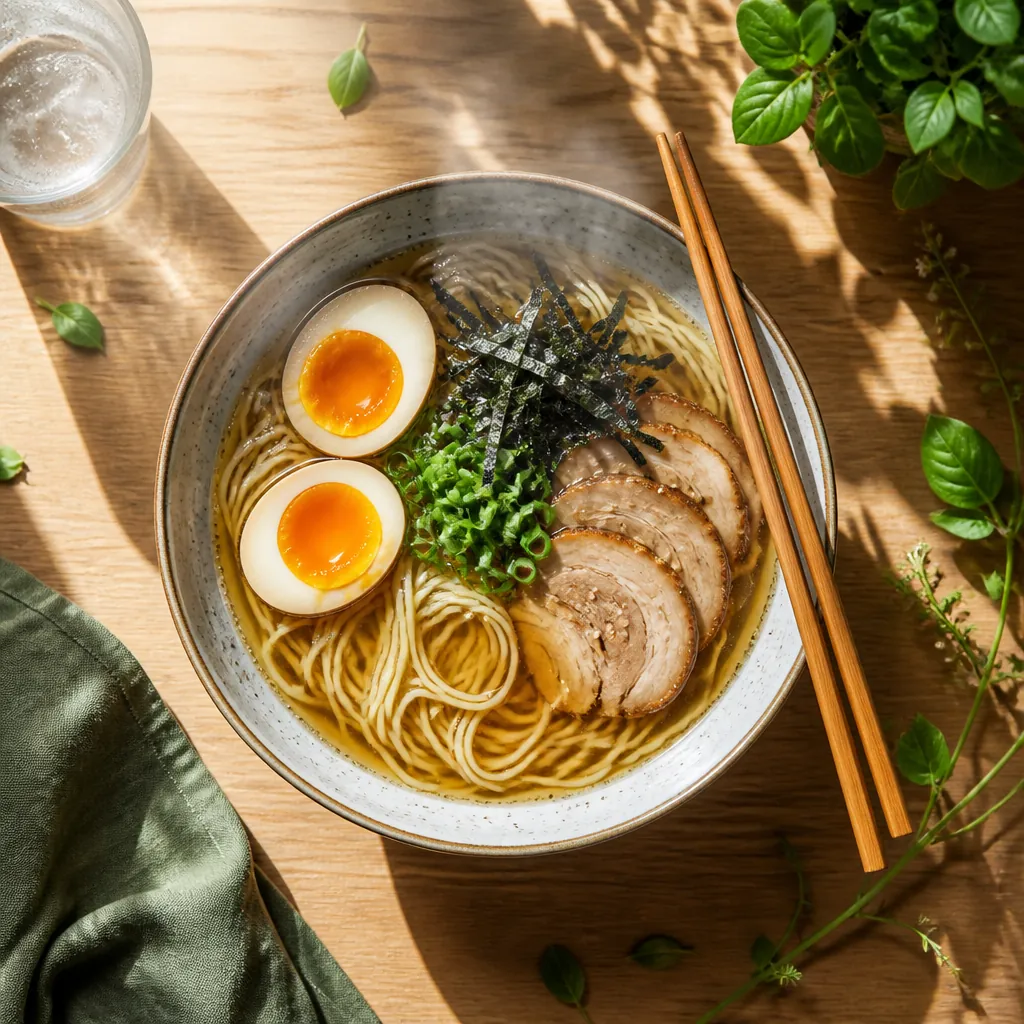
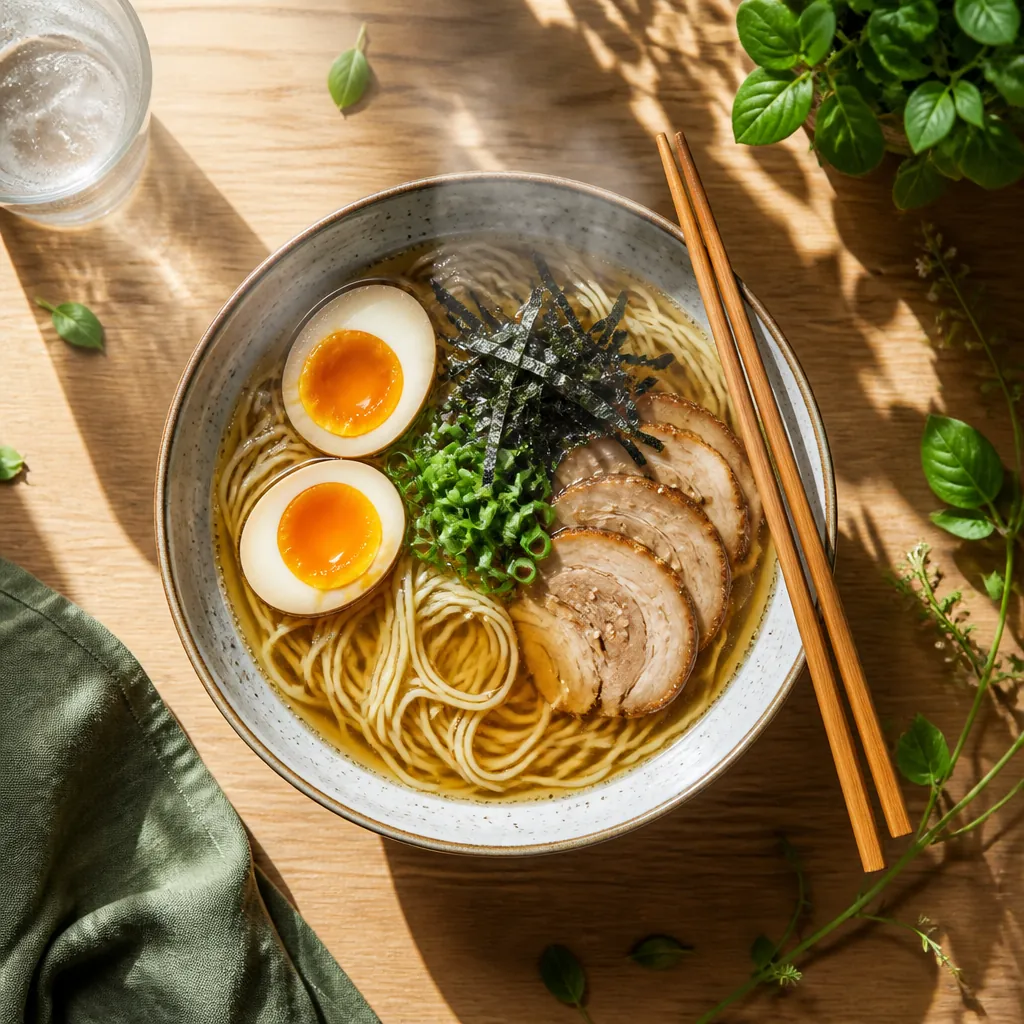
Hiyashi chuka, a chilled ramen dish topped with julienned vegetables, egg, and a tangy sesame or soy-based dressing, is something most casual diners have never tried. If you are eating ramen in summer and only going for the hot tonkotsu, you are leaving a major experience on the table. Summer sushi is equally compelling, with lighter fish and citrus-forward preparations that make heavy, wintery rolls feel almost unnecessary by comparison.
Pro tip: When visiting a Japanese restaurant in summer, ask what cold or seasonal preparations the kitchen is running that week. The best items are often unlisted or only described verbally by the server.
The Bucket List: Essential Japanese Food Experiences for Summer 2026
This is not a list of vague suggestions. These are specific, doable experiences that anyone serious about Japanese food should attempt before summer 2026 ends. Prioritize the ones that stretch your current knowledge of the cuisine.
Eat Chilled Ramen for the First Time
If your ramen experience has been limited to steaming bowls in the colder months, a proper bowl of hiyashi chuka or zaru ramen will reframe what you think ramen can be. The noodle texture comes forward in a cold preparation in a way that hot broth sometimes masks. It is worth seeking out and worth ordering more than once to understand.
Try an Omakase Sushi Counter
Sitting at a sushi counter and letting the chef guide the meal is one of the most memorable ways to eat Japanese food. You are not just eating fish on rice. You are watching someone with years of training make decisions in real time about what is best that day. The experience teaches you more about sushi in two hours than most online reading will in two years.
Go Beyond Salmon and Tuna
A real summer goal for any sushi enthusiast: order something you have never tried before on every visit. Uni (sea urchin), shiso-wrapped fish preparations, or a simple but perfectly seasoned tamago (egg) nigiri are all experiences that expand your palate in meaningful ways. The best sushi restaurants reward curious customers.
Have Ramen and Sushi in the Same Meal
This sounds obvious, but most diners pick one or the other. Pairing a lighter, clear-broth ramen with a few pieces of well-made nigiri in a single sitting is a genuinely different experience from treating them as separate occasions. Zen Ramen and Sushi is built for exactly this kind of exploration, where both disciplines are taken seriously in one space.
Learn One Dish at Home
A summer bucket list for Japanese food lovers should include at least one attempt to make something yourself. Tamagoyaki (rolled Japanese omelet), dashi stock from scratch, or a basic miso soup with proper technique, all teach you to read a Japanese menu with more respect and understanding. You do not need to master it. You need to try it once.
Eat Something from a Japanese Convenience Store
If you have access to a Japanese convenience store or a market that stocks imported Japanese pantry goods, pick up an onigiri or a packaged dashi product. The quality of Japanese convenience food is genuinely remarkable by global standards, and experiencing it gives you useful context for why Japanese cuisine has the reputation it does.
Ramen vs. Sushi: Which to Prioritize This Summer
This is a real question worth answering directly. If you are newer to Japanese food and you have to choose where to invest your attention this summer, the answer depends on what you find most compelling: craft and immediacy (ramen) or precision and tradition (sushi).
Ramen is more forgiving as an entry point. The variation across styles, from rich tonkotsu to clean shio to complex shoyu, gives you a lot to explore without requiring specialized knowledge. You can eat your way through different broth styles over the course of a summer and come out with a genuine, well-formed opinion about what you like and why.
The food experiences that visitors remember and talk about for years after returning home are not always the most expensive ones. They are the ones where the craft was visible and the context was understood.
Sushi rewards prior knowledge more than ramen does. Once you understand the difference between nigiri and chirashi, between farmed and wild fish, between soy-heavy and rice-focused preparations, your enjoyment of a great sushi meal increases significantly. This summer, if you already have solid ramen experience, push into sushi more deliberately. If you are still building your ramen foundation, go deeper there first.
Pro tip: At Zen Ramen and Sushi, you can do both in one visit and directly compare your reactions. That contrast, eating thoughtfully crafted ramen and then moving to fresh sushi in the same meal, is genuinely educational and one of the better ways to understand the range of Japanese cuisine.
How to Build Your Own Japanese Food Summer Plan
The mistake most people make with a food bucket list is treating it as a collection of standalone checkboxes. A better approach is to build a loose arc across the summer that creates progression, not just variety.
Start with What You Know and Push the Edges
If you love a particular ramen style, that is your anchor. Your first few visits should be to places that do that style exceptionally well, so you have a calibrated baseline. From there, order one unfamiliar thing each visit. One new topping, one new broth, one piece of fish you have never tried. That is how genuine food knowledge compounds over a season.
Make Referrals Your Primary Discovery Tool
Since you are likely reading this because someone you trust told you about it, you already understand how powerful a personal recommendation is. Apply that same logic to your food exploration. When you find a dish or a restaurant that genuinely impresses you, tell two or three people specifically. Not a vague social media post. A direct conversation with context. That is how the best Japanese food spots stay excellent and how communities of food-aware diners form.
Track What You Eat and What You Noticed
You do not need a formal system. A note in your phone after each significant Japanese meal, what you ordered, what surprised you, what you would change, is enough. By the end of summer you will have a personal map of your own palate that is more useful than any ranking list.
Traditional vs. Modern Sushi: A Comparison
One of the most useful frameworks for any summer Japanese dining plan is understanding where the sushi you are eating falls on the traditional-to-modern spectrum. Neither end is inherently better. But knowing the difference changes what you look for and how you evaluate what is on the plate.
| Approach | What It Emphasizes | Best For |
|---|---|---|
| Traditional Nigiri | Rice temperature and seasoning, fish quality, minimal garnish, long-trained technique | Diners who want to taste the fish and rice without distraction |
| Modern or Fusion Sushi | Layered flavors, creative toppings, sauces, textures, visual presentation | Diners who enjoy complexity and want a more theatrical eating experience |
| Omakase Format | Chef-driven progression, seasonal selection, combination of traditional and contemporary techniques | Diners who want to be guided and learn as they eat, at any experience level |
The practical takeaway from this comparison is that traditional sushi is often the better benchmark when you are evaluating a restaurant’s overall skill level. A kitchen that can execute clean, properly seasoned nigiri with excellent fish is almost always capable of the modern preparations too. The reverse is not always true.
For sushi ramen summer 2026, the most rewarding approach is to spend most of your visits exploring traditional preparations and reserving one or two experiences for the more creative, modern interpretations. That ratio gives you the depth to appreciate what the innovation is actually doing differently.
Frequently Asked Questions
What is a Japanese food bucket list and how is it different from a regular restaurant list?
A Japanese food bucket list is a curated set of specific eating experiences, not just places to visit. It includes dish types, preparation styles, and formats like omakase or ramen tasting, that together give you a meaningful and well-rounded understanding of Japanese cuisine. A restaurant list is just geography. A bucket list is about what you actually eat and experience when you get there.
Is ramen really worth eating in summer, or is it mainly a cold-weather dish?
Ramen is absolutely worth eating in summer. Chilled ramen preparations like hiyashi chuka and zaru ramen are specifically designed for warm weather and are among the most refreshing noodle dishes in any cuisine. Even hot ramen has its summer advocates, especially in lighter shio (salt) or clear seafood broths that do not feel heavy in the heat.
How do I know if a sushi restaurant is actually good, or just popular?
The clearest indicator is the rice, not the fish. Well-made sushi rice should be slightly warm, lightly seasoned with vinegar, and have a texture that holds together without being gummy or dry. If the rice is cold, too compact, or flavorless, the fish quality barely matters because the foundation is off. A restaurant that gets the rice right is almost always doing the other things correctly too.
What should I order on my first visit to Zen Ramen and Sushi if I want a full summer experience?
Start with whatever broth style you are least familiar with on the ramen menu, since trying something outside your comfort zone is the whole point of a bucket list approach. Then order three to five pieces of nigiri rather than a roll, so you can taste the fish and rice without the distraction of additional ingredients. Ask your server what is fresh that day. That single question almost always leads to a better order.
How many Japanese food experiences should I realistically aim for this summer?
Quality beats quantity here. Five to eight genuinely attentive Japanese dining experiences across a summer, where you are paying attention to what you are eating and why, will teach you far more than twenty casual visits where you order the same thing each time. The goal is progression, not volume.
Do I need to know Japanese food culture deeply to enjoy a great Japanese meal?
Not at all. Curiosity matters more than prior knowledge. The most important thing you can do at any Japanese restaurant is ask questions, be open to ordering things you cannot pronounce, and slow down enough to actually notice what is on the plate. Knowledge builds naturally from that kind of attention over time.
What makes Japanese food experiences memorable compared to other cuisines?
Japanese cuisine places unusual emphasis on the context of the meal: the environment, the pacing, the craft visible in the preparation, and the relationship between the diner and the chef. A bowl of ramen eaten while watching the noodles being pulled, or a piece of nigiri handed directly across a counter by the person who made it, carries a different emotional weight than most other dining experiences. The food is excellent, but the theater around it is what you remember years later.
If you have your own Japanese food bucket list experience from this summer, or a dish at Zen Ramen and Sushi that changed how you think about the cuisine, share it with someone who will appreciate it. The best food discoveries travel person to person.
We would love your feedback and any insights you would share with others. What perspective would you add?
References
- Top Japanese food experiences worth planning your summer around, from ramen workshops to sushi counters
- Must-eat Japanese food and drink experiences for serious culinary travelers
- How traditional and modern sushi techniques differ and what that means for diners
- Comprehensive guide to unmissable Japanese experiences including food, culture, and seasonal highlights