
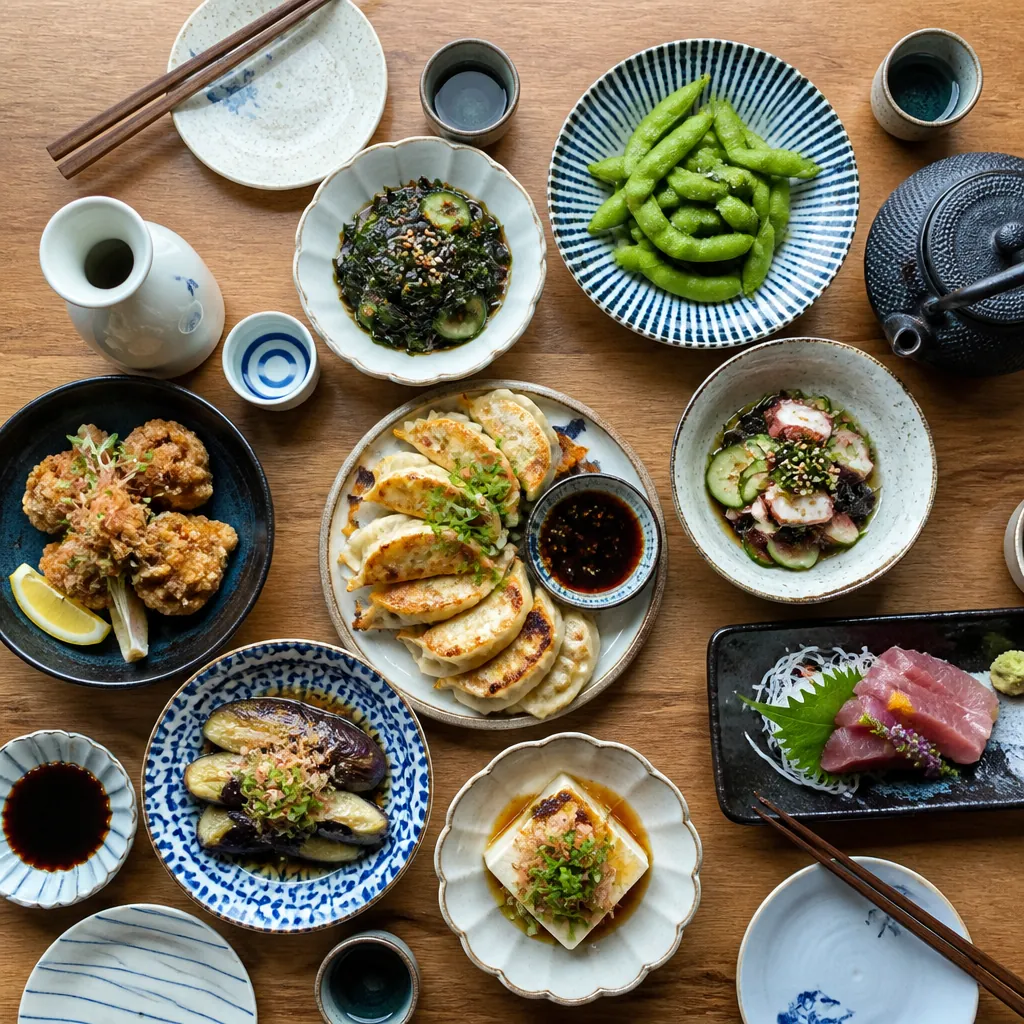
Planning a group dinner is one of those tasks that sounds simple until you are actually doing it. You have picky eaters, people who want to share plates, people who do not, someone who insists on something light, and someone who wants a full bowl of something hearty. A Japanese restaurant group dining experience handles all of that better than most other cuisines, and not by accident. The format of Japanese food, from a sushi platter passed around the table to individual ramen bowls ordered exactly how each person wants them, is built for exactly the kind of dinner where everyone has a different idea of a perfect meal.
Table of Contents
- Quick Takeaways
- Variety That Covers Every Preference at the Table
- The Shareable Format That Actually Works
- Individual Orders: Nobody Has to Compromise
- Japanese Food Is Genuinely Good for Groups With Dietary Needs
- The Dining Pace Fits a Group
- Comparison: Sushi Dinner vs. Ramen Dinner vs. Both
- What Makes Zen Ramen and Sushi the Right Call
- Frequently Asked Questions
- References
Quick Takeaways
| Key Insight | Explanation |
|---|---|
| Japanese menus are built for mixed groups | Sushi platters, ramen bowls, and appetizers like edamame serve different preferences without forcing anyone to settle. |
| Sushi is the most naturally shareable dish at the table | A sushi platter or a few rolls ordered for the center of the table gets conversation going immediately and keeps everyone engaged. |
| Ramen gives individual diners full control | Broth type, toppings, spice level, and noodle choice can all be customized, so no one has to eat what someone else picked. |
| The order-at-your-own-pace format reduces group stress | Unlike prix fixe or tasting menus, a Japanese restaurant lets latecomers order when they arrive without disrupting the whole table. |
| Japanese food genuinely accommodates dietary restrictions | Fresh fish, vegetarian rolls, miso-based broth, and vegetable-forward options give restricted diners real choices, not afterthoughts. |
| The best sushi group dinner orders combine sharing plates and individual picks | Start with shared rolls and appetizers, then let each person order their ramen bowl. That structure keeps the meal cohesive and personal. |
| A referral from a friend is the single best reason to try a new Japanese restaurant | When someone you trust has already vetted the food and the atmosphere, the guesswork is gone and the group is set up to enjoy it. |
Variety That Covers Every Preference at the Table
The core problem with group dinners is that people have wildly different appetites, moods, and dietary tolerances. Japanese cuisine solves this more elegantly than almost any other food category because its menu structure is naturally modular. You are not picking one protein and two sides for the whole table. Each person navigates a menu that runs from light sashimi to rich, filling ramen, with plenty of middle ground in between.
At a place like Zen Ramen and Sushi, a group of six can end up with one person ordering a tonkotsu ramen, another going for a salmon avocado roll, a third sharing a sashimi platter, and someone else starting with miso soup and edamame. All of those orders come out of the same kitchen, none of them conflict, and everyone at the table is genuinely satisfied. That is rare.
Pro tip: When booking a group dinner at a Japanese restaurant, ask your server to stagger the sushi and ramen orders. Bring the shareable plates and rolls first, then the ramen. That pacing keeps the table engaged and ensures the bowls arrive hot.
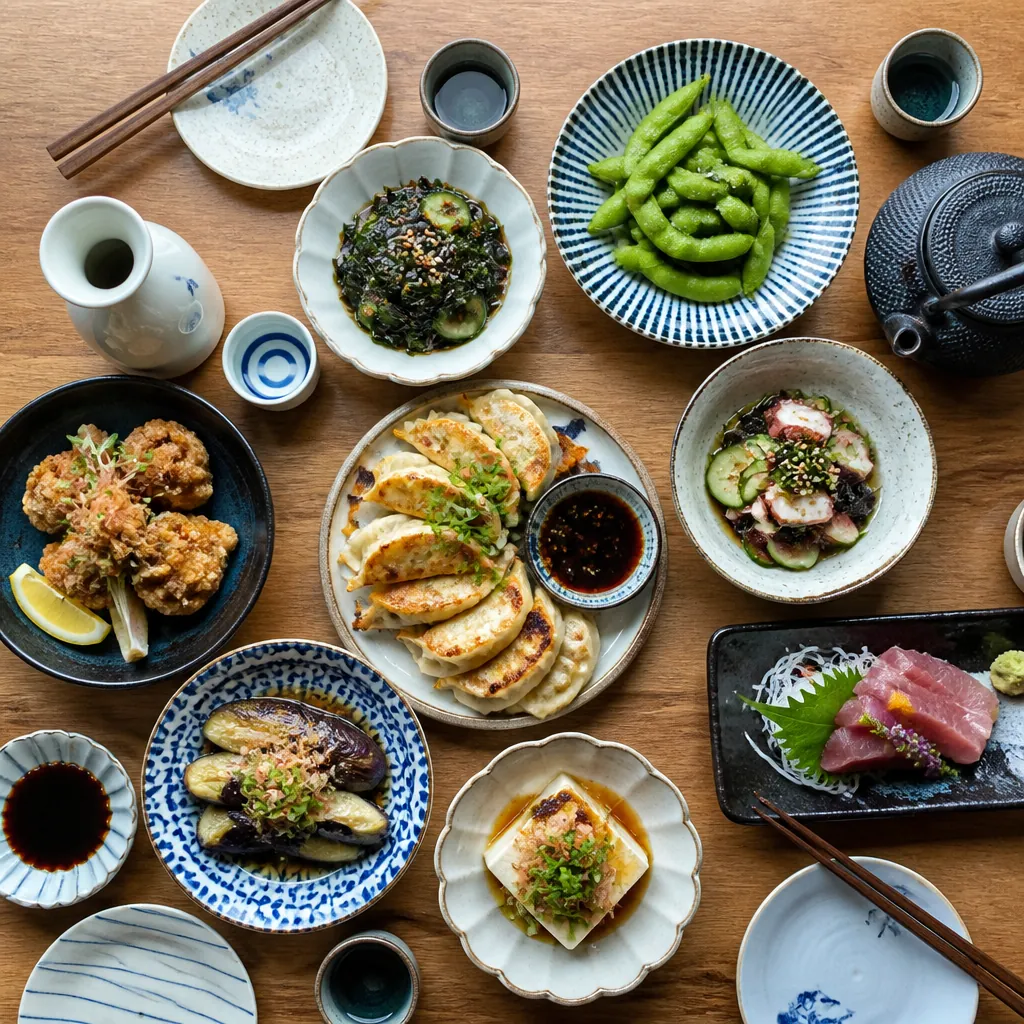
The variety also works in a more social sense. A table full of different dishes gives people something to talk about. Someone passes a roll, someone else tries a spoonful of broth, and the meal becomes an experience rather than just food on a plate. That dynamic is harder to create when everyone at the table orders the same category of food.
The Shareable Format That Actually Works
Sharing food at a restaurant sounds appealing until you actually try it with eight people and a dish that does not divide cleanly. Japanese cuisine avoids that problem. Sushi rolls are cut into six to eight pieces by default. Sashimi arrives as individual slices. Edamame, gyoza, and other starters are designed to be passed around. The food is already portioned for sharing before you even ask.
Why sushi platters are the best group starter
A sushi platter placed at the center of the table is one of the most effective ways to open a group meal. It gives people something to eat immediately, removes the awkward silence while waiting for individual orders, and signals that this is a relaxed, communal experience. The best Japanese restaurant group dinners almost always start this way.
Platters also solve the indecision problem. Rather than having six people spend ten minutes debating which rolls to order, a mixed platter delivers variety without negotiation. One order, one decision, maximum coverage.
Communal dishes beyond sushi
Japanese cuisine offers other sharing-friendly options that work well mid-meal. A bowl of edamame on the table keeps people snacking between courses. Gyoza and other small plates bridge the gap between the sushi starter and the ramen main. The meal has a natural rhythm built into it, and that rhythm is especially welcome when you are managing a large group.
The best group meals are not the ones where everyone orders the same thing. They are the ones where the menu is structured so every person can do something different and the table still feels like one cohesive experience.
Individual Orders: Nobody Has to Compromise
One of the quiet frustrations of group dining is the compromise. You wanted the spicy noodle dish, but the table voted for something milder. Japanese restaurants, particularly those offering ramen alongside sushi, sidestep this entirely. The two main categories operate independently. Sushi is shared if you want it to be. Ramen is almost always a personal order, customized to individual taste.
A ramen group meal works because every bowl is built to order. One person wants a rich tonkotsu broth with extra chashu pork. Another wants a lighter shoyu base with bamboo shoots and a soft egg. A third is vegetarian and orders a miso broth with mushrooms. These are not workarounds or substitutions. They are legitimate menu items that the kitchen executes with the same care as any other bowl.
Pro tip: If someone in your group is new to ramen, suggest they start with a classic tonkotsu or shoyu bowl before experimenting with spicier or more unusual broths. The first ramen experience sets the standard for everything that follows.
That level of individual control is what separates a sushi group dinner at a full-service Japanese restaurant from a group meal at a place that forces you into a set menu or a shared platter for the whole table. Nobody leaves feeling like they settled.
Japanese Food Is Genuinely Good for Groups With Dietary Needs
Every group has at least one person with a dietary restriction. This is not a complaint, it is just a fact of group dining. The question is whether the restaurant handles it gracefully or awkwardly. Japanese cuisine handles it better than most.
Fresh fish in sushi rolls and sashimi provides high-quality protein and healthy fats, which satisfies guests who are eating light or watching macros. Vegetarian diners have real options, including avocado rolls, cucumber rolls, vegetable tempura, and miso soup, none of which feel like consolation prizes. For guests avoiding gluten, many Japanese dishes are naturally gluten-free or can be modified without much effort.
The key phrase here is “real choices, not afterthoughts.” A Japanese menu is not a meat-forward menu with one vegetarian option buried at the bottom. The vegetable and seafood categories are central to the cuisine itself. That matters when you are trying to make everyone at a large table feel welcome and well-fed.
The Dining Pace Fits a Group
Group dinners tend to run long, and that is fine when the restaurant’s format supports it. Japanese restaurants, particularly those with a full menu rather than a tasting-menu-only format, allow the table to eat at its own pace. You can order another round of rolls while waiting for the ramen. You can stay at the table over tea without feeling rushed. The format does not force everyone to move through courses at the same time.
This matters more than people realize. When someone arrives late to a group dinner at a Japanese restaurant, they can order and eat without disrupting the entire table’s meal. Compare that to a prix fixe dinner where a late arrival means everyone either waits or eats without them. The flexibility of a Japanese menu is a genuine advantage for group logistics.
The atmosphere at a well-run Japanese restaurant also tends to support longer meals. The environment is typically calm enough for conversation without being so quiet that the table feels watched. That balance is harder to find than it should be, and it is one of the reasons a Japanese restaurant consistently ranks as a crowd-pleasing group dinner choice among food-savvy friend groups.
Comparison: Sushi Dinner vs. Ramen Dinner vs. Both
| Format | Best For | Group Dining Strengths |
|---|---|---|
| Sushi-Only Dinner | Groups that want a lighter, shareable meal with lots of variety across rolls and sashimi | Easy to share, visually appealing, naturally social, good for light eaters and adventurous palates alike |
| Ramen-Only Dinner | Groups that want comfort food, filling individual bowls, and full customization of each order | Every person gets exactly what they want, no compromise, works well when the group has strong individual preferences |
| Sushi and Ramen Together | Mixed groups with different appetites, dietary needs, and preferences, especially groups where some want to share and some want their own dish | Best overall flexibility, covers the full range of hunger levels and tastes, the go-to format for groups of four or more |
In practice, the combined format wins for most groups. Start with shared sushi rolls and small plates, then move to individual ramen bowls. The meal has structure, variety, and a satisfying progression from light to hearty. That is a hard format to beat.
What Makes Zen Ramen and Sushi the Right Call
If a friend sent you here, they already did the vetting for you. That kind of referral carries weight because it comes from someone who has sat at the table, eaten the food, and decided it was worth recommending. Zen Ramen and Sushi brings together the two dishes that make Japanese group dining work best: carefully crafted ramen bowls and fresh sushi preparations, both available in the same sitting.
That combination is more intentional than it sounds. A restaurant that does both well is not splitting its focus. It is giving a group the full range of what Japanese cuisine offers. The person who wants a steaming bowl of ramen and the person who wants a clean, fresh sushi platter can sit at the same table and both get exactly what they came for.
For groups arriving via a friend’s recommendation, the expectation is already set at a high level. Zen Ramen and Sushi is built for exactly that moment, when someone shows up ready to be impressed because someone they trust said it was worth the trip. The food, the atmosphere, and the menu structure are all aligned to deliver on that expectation.
When you are comparing options and looking for the best Japanese restaurant for your next group dinner, the deciding factor is almost always whether the menu can accommodate everyone without making anyone feel like an afterthought. That is the standard Zen Ramen and Sushi holds itself to.
Frequently Asked Questions
How many people can comfortably do a Japanese restaurant group dinner?
Japanese restaurants work well for groups of any size, but the sweet spot for a relaxed, enjoyable experience is usually four to ten people. Groups in that range can share sushi platters easily, customize individual ramen orders without overwhelming the kitchen, and still have a cohesive meal. Larger parties benefit from calling ahead to arrange seating and discuss the menu in advance.
What should a group order first at a Japanese restaurant?
Start with shared appetizers and sushi rolls. Edamame, gyoza, and a mixed sushi platter give everyone something to eat immediately while individual orders are prepared. This approach keeps the table engaged and ensures nobody sits idle. After the sharing plates, move to individual ramen bowls or additional sushi for a more personal second course.
Is a Japanese restaurant a good choice for groups with dietary restrictions?
Yes, and it is one of the better options available. Japanese menus naturally include seafood-forward, vegetarian, and lighter options alongside heartier dishes. Vegetarian guests have genuine choices including avocado rolls, vegetable-based ramen broths, and vegetable tempura. Guests avoiding raw fish can order cooked rolls, ramen, or cooked sashimi alternatives. Always mention specific allergies to the server when ordering.
How is a sushi group dinner different from ordering sushi individually?
When you order sushi as a group, the dynamic shifts from individual selection to collective exploration. You order rolls for the table, pass plates around, and try things you might not have picked on your own. That format introduces the whole group to a wider range of flavors than any one person would order for themselves. It also makes the meal feel like a shared event rather than a series of parallel solo experiences.
What is the best way to handle a ramen group meal when everyone has different tastes?
Let each person order their own bowl, because that is exactly what ramen is designed for. Most Japanese restaurants with a serious ramen menu offer multiple broth types, topping options, and spice levels. Nobody needs to agree on one style. The broth choices alone, typically covering rich pork-based tonkotsu, soy-based shoyu, miso, and lighter options, give each person a genuinely different experience even when they are ordering from the same menu.
How far in advance should a group book a table at a Japanese restaurant?
For groups of four to six, booking one to two days ahead is usually sufficient on weeknights. For weekends or groups of seven or more, booking three to five days ahead is a safer approach. If your group has a specific occasion in mind, such as a birthday or a celebration dinner, give at least a week’s notice so the restaurant can prepare appropriately and accommodate any special requests.
If you have taken a group dinner to a Japanese restaurant recently, share what worked and what surprised you. Your experience helps other people in the same planning situation make better choices.
References
- Guide to Japanese cuisine menus and how they work for different group dynamics
- Japanese party food and communal dining dishes ideal for group meals
- Family and group-friendly Japanese restaurant dining options and formats
- Healthy dining choices at Japanese restaurants including sushi and lighter options
- Practical dining tips for Japanese restaurants covering ordering strategy and menu navigation