
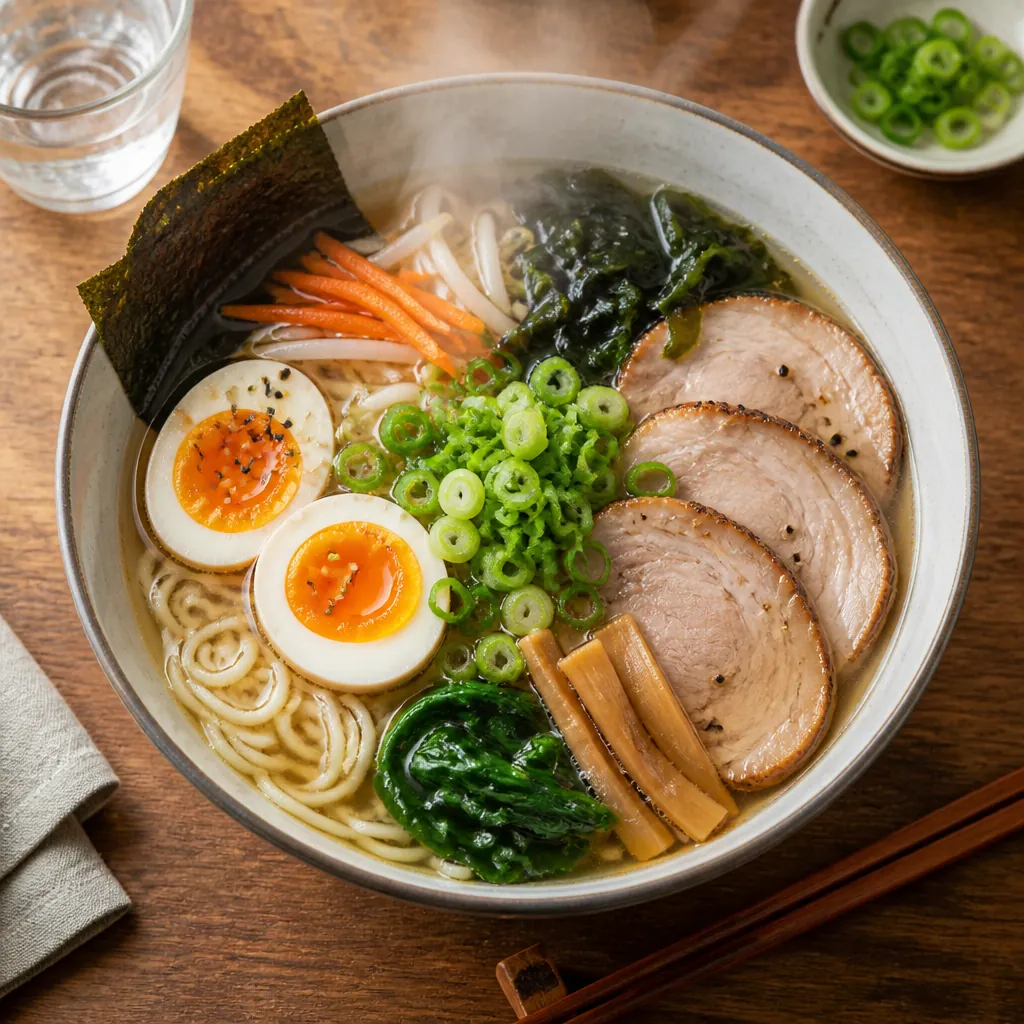
If you have ever tried to get a table full of kids and adults to agree on dinner, you know the struggle. Someone wants pizza, someone wants “nothing spicy,” and someone will only eat beige food. A family Japanese restaurant solves this problem more reliably than most people expect. Ramen bowls are warm, filling, and easy to customize. Sushi offers bite-sized portions that feel like an adventure without being intimidating. And the entire meal doubles as an experience, not just a transaction. Families who have discovered Zen Ramen and Sushi know exactly what we mean. Here is why Japanese cuisine works so well for the whole table.
Table of Contents
- Quick Takeaways
- Why Japanese Food Works for Families
- Kids Ramen: The Bowl That Converts Picky Eaters
- Sushi for Kids: Starting Simple and Building Up
- Comparing Family Dining Approaches at Japanese Restaurants
- What Parents Can Order While Kids Eat Happily
- Practical Tips for a Stress-Free Family Outing
- Frequently Asked Questions
- References
Quick Takeaways
| Key Insight | Explanation |
|---|---|
| Ramen is naturally kid-friendly | Noodles in broth hit the same comfort notes as mac and cheese, but with far more nutritional depth from bone broth, protein toppings, and vegetables. |
| Start sushi with no-raw-fish rolls | Cucumber rolls, avocado rolls, and California rolls introduce the sushi format without raw fish, making the transition smooth for young first-timers. |
| Customization beats a fixed kids menu | Japanese dishes are modular by design. Adjust toppings, broth intensity, and spice level rather than relying on a separate children’s menu that limits choice. |
| The dining experience itself entertains kids | Chopstick practice, colorful toppings, and bite-sized sushi pieces keep younger diners engaged and give parents a calmer meal. |
| Miso and shoyu broths are gentler starting points | For kids new to ramen, miso and soy-sauce-based broths are flavorful without being overpowering. Tonkotsu can wait until the palate develops. |
| Side dishes carry the whole table | Gyoza, edamame, and miso soup give hesitant younger eaters familiar textures while adventurous family members explore the main dishes. |
| Referrals from friends matter here | Families discover great Japanese restaurants through trusted word-of-mouth, not just search engines. A friend’s recommendation lowers the risk of a disappointing dinner. |
Why Japanese Food Works for Families
Japanese cuisine has a structural advantage at the family table: almost every dish is built around clean, separated components. A ramen bowl arrives as noodles, broth, and toppings, each of which can be adjusted. A sushi platter is a series of individual bites rather than a single dish where one ingredient ruins the whole thing for a picky seven-year-old.
This modularity matters more than people realize. A child who refuses to eat anything “mixed together” can easily pick toppings off a ramen bowl or select only the rolls they recognize. There is no negotiation meltdown at the table, and no parent ordering a second dinner off the menu because the first one was rejected on sight.
“A steaming bowl of ramen, with its rich broth and springy noodles, is a hearty meal that can be customized with various toppings to suit individual preferences.” A sentiment echoed by families who make Japanese restaurants their regular go-to dinner spot.
Japanese food is also unfussy in terms of presentation. Dishes arrive looking interesting rather than intimidating. The colors, the small portions, the wooden chopsticks to attempt or abandon in favor of a fork. All of it creates a low-pressure environment that busy parents appreciate.
At Zen Ramen and Sushi, this philosophy shows up in the menu design. You are not choosing between adult food and a sad grilled cheese option. You are choosing between ramen styles, sushi types, and sides that genuinely satisfy every age at the table.
Kids Ramen: The Bowl That Converts Picky Eaters
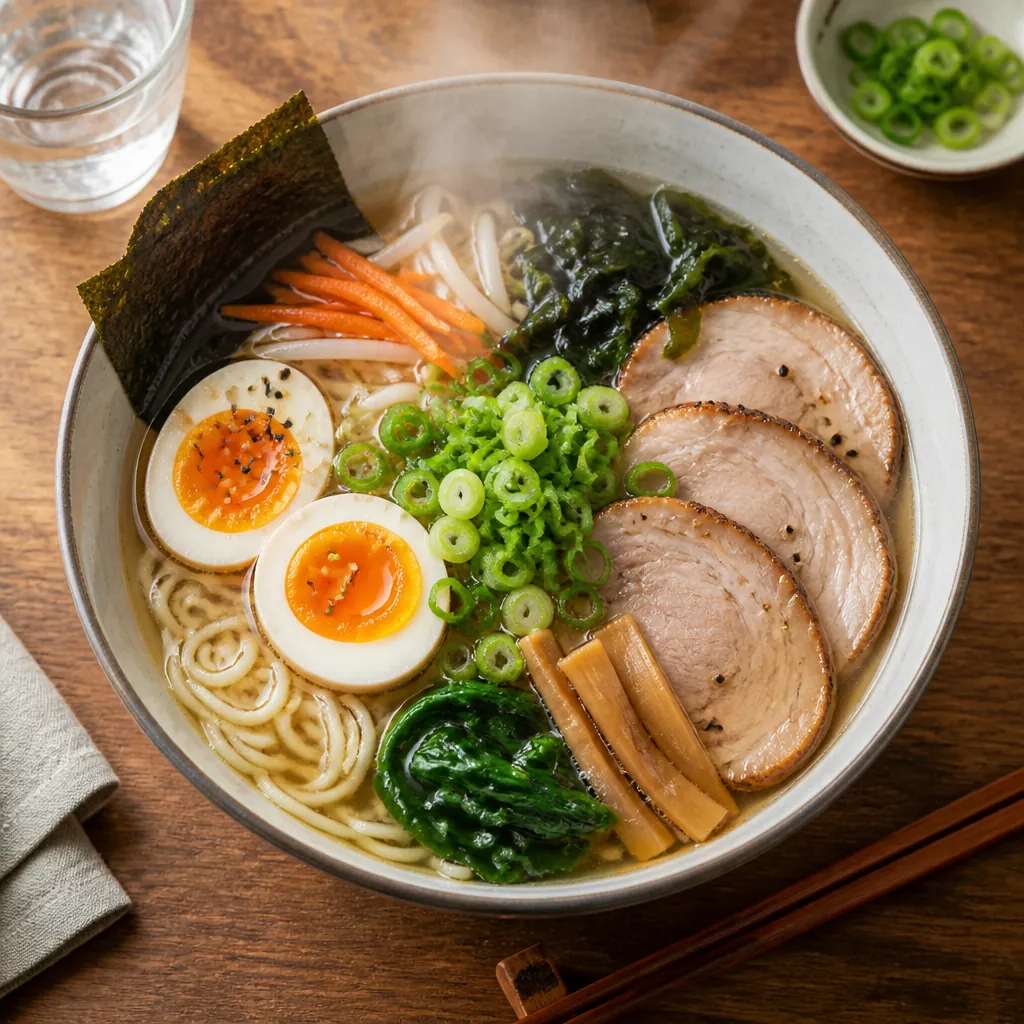
The secret to kids ramen is that it is basically the upgraded version of every noodle soup a child already loves. Noodles in a savory broth with soft toppings is not a foreign concept. What makes ramen different is the depth of flavor and the texture variety, and both of those things turn out to be draws rather than obstacles.
Choosing the Right Broth for Young Palates
Not all ramen broth hits the same. For kids who are new to the dish, miso and shoyu (soy sauce) bases are the entry point. They are flavorful and savory without being aggressive. Tonkotsu, with its intense pork-bone richness, can be more polarizing for first-timers of any age. Spicy variants should be held back until the child specifically asks for heat.
In practice, most kids gravitate toward shoyu ramen first because the broth is lighter and the noodle flavor comes through cleanly. Once they are comfortable, the shift to miso or tonkotsu usually happens on its own, driven by curiosity rather than parental pressure.
Toppings That Make Ramen Interactive
Half the appeal of ramen for kids is the toppings. A soft-boiled marinated egg, a slice of chashu pork, a sheet of nori, a pile of corn. Children who might not eat these ingredients separately will happily eat them when they are part of a bowl they feel ownership over.
Let kids pick their toppings when possible. It sounds small, but the act of deciding what goes in the bowl changes the relationship with the food. A child who built the bowl will eat the bowl. This is one of the most reliable tricks experienced with family dining at Japanese restaurants.
Pro tip: Ask for noodles to be served on the side (similar to tsukemen style) for very young children. Noodles that have cooled down slightly are safer and easier to manage than piping-hot strands straight from the broth.
When Ramen Is Too Much: Udon as a Bridge
For the youngest diners, ramen’s springy, thin noodles can be tricky to manage. Udon is the bridge. Thick, chewy, and served in a mild broth, udon noodles are among the most consistently well-received Japanese dishes for young children. Many families use udon as the gateway and find that ramen interest follows naturally within a few visits.
Sushi for Kids: Starting Simple and Building Up
The most common parental mistake with sushi for kids is presenting it as an all-or-nothing experience. Sushi is not synonymous with raw fish. A child’s first sushi meal can be entirely cooked or vegetarian, and it will still feel like a genuine sushi experience.
The Right First Rolls
Cucumber rolls (kappa maki), avocado rolls, and tamago nigiri (sweet egg sushi) are the standard entry points. They introduce the rice-and-nori format, the chopstick-or-hand eating style, and the mild umami that Japanese food is built on, without anything that challenges a cautious palate.
California rolls work well for the next step. The filling uses imitation crab, which is made from cooked, processed fish rather than raw seafood, making it a safe and familiar-enough bridge toward more adventurous ordering. Most kids find the texture appealing and the mild flavor easy to enjoy.
Pro tip: Order a small plate of edamame the moment you sit down. It gives younger kids something to do with their hands while adults look at the menu, it is healthy, and it almost never gets rejected. The ritual of popping beans from the pod is genuinely entertaining for children under eight.
Introducing Raw Fish at the Right Pace
There is no correct age for raw fish. Some children take to salmon nigiri at six; others are not interested until their teens. The important thing is that the first experience is low-pressure. A single piece of salmon, offered as a try-it-if-you-want addition to an otherwise familiar plate, is the right move. A parent who makes the whole meal contingent on raw fish acceptance is the wrong move.
In practice, kids who grow up visiting a good family dining Japanese restaurant regularly will experiment on their own timeline. The restaurant does not need to push it, and neither do you.
Comparing Family Dining Approaches at Japanese Restaurants
Not every Japanese restaurant takes the same approach to families. The format of the restaurant shapes the experience more than most diners realize before they arrive. Here is a practical comparison of the main formats you will encounter.
| Dining Format | Best For | Considerations for Families |
|---|---|---|
| Full-service ramen and sushi restaurant (like Zen Ramen and Sushi) | Families who want both ramen and sushi in one visit, with attentive table service | Most flexible for mixed orders, good for managing different appetites at one table, server can guide first-timers |
| Solo-focused ramen counter (like Ichiran-style) | Ramen purists, solo diners, adults who want maximum concentration on the bowl | Counter seating is difficult with young children, individual booths are not designed for groups, no sushi options |
| Conveyor belt (kaiten) sushi restaurant | Families with curious younger children who enjoy the visual and interactive element | Entertaining, but limited ramen options; young children need supervision near the belt; can be unpredictable for portion control |
The full-service format wins for most families, specifically because the combination of ramen and sushi under one roof removes the negotiation problem entirely. One parent gets a tonkotsu bowl, one gets an omakase sushi selection, and the kids split a shoyu ramen and a cucumber roll platter. Everyone eats what they actually want.
What Parents Can Order While Kids Eat Happily
Family dining should not mean parents sacrifice their meal to manage the children’s plates. At a well-designed Japanese restaurant, the reverse is usually true: the menu has enough depth that adults eat exceptionally well precisely because the kids are occupied and satisfied.
When children are settled with their ramen or sushi selections, adults can explore the wider menu without guilt. Richer tonkotsu broths, spicy miso preparations, salmon or tuna nigiri, specialty rolls with creative sauces. These are the dishes that keep adults returning to a Japanese restaurant long after the initial family visit.
A common mistake parents make is over-ordering for kids out of anxiety. Japanese portions for children do not need to be massive. A bowl of shoyu ramen is a complete, filling meal. Add a side of gyoza and that child is not going to be hungry again before bedtime. Resist the impulse to order three backup dishes.
Miso soup deserves a special mention for family tables. It arrives quickly, it is warm and comforting, and it gives hesitant younger diners a gentle introduction to the umami flavor profile that runs through every other dish on the menu. Children who accept miso soup almost always warm up to the rest of the meal faster.
Practical Tips for a Stress-Free Family Outing
Knowing what to order is only half the equation. The other half is managing the logistics of eating out with children so the experience is actually enjoyable rather than just survivable.
Timing Your Visit
Arrive early in the dinner service, around 5:30 to 6:00 pm, rather than at peak hours. The restaurant is quieter, tables are easier to secure, and staff have more time to accommodate a family table. A child who has been waiting 40 minutes for a table is already difficult to feed. A child who sits down and gets edamame in three minutes is a different experience entirely.
Chopstick Strategy
Bring up chopsticks as an option, not a requirement. Kids who want to try them usually do so enthusiastically and with reasonable success. Kids who feel forced to use them become miserable. A fork is not a failure. The goal is a meal everyone enjoys, not a cultural performance.
Navigating the Spice Question
Japanese cuisine is not inherently spicy, but menus vary. When ordering for children, ask staff specifically about heat levels. Shoyu and miso broths are almost universally mild. Spicy miso and spicy variants of rolls are clearly labeled at most good restaurants. If in doubt, ask before ordering rather than discovering the problem mid-bowl.
Using the Shared Plate Approach
Order one or two shared plates alongside individual bowls. A gyoza plate in the center of the table, a small sushi platter to share, a bowl of edamame. This communal eating style is native to Japanese dining and it works particularly well for families because children can graze without committing to a full order of something unfamiliar.
Families who come to Zen Ramen and Sushi through a friend’s recommendation usually land on this approach naturally. It mirrors how their friends described the experience, and it almost always works.
Pro tip: If a child is nervous about trying sushi for the first time, let them watch you eat a piece first. The visual of a parent eating something calmly and with obvious enjoyment is more convincing than any explanation of what the ingredients are.
We would love to hear about your family’s experience at Zen Ramen and Sushi. Did the kids surprise you with what they ended up loving? Share your story in a review or tell a friend the next time someone asks where to take the family for dinner.
Frequently Asked Questions
Is Japanese restaurant food safe for young children?
Most Japanese restaurant dishes are safe for young children with straightforward adjustments. Ramen, udon, miso soup, gyoza, edamame, and cooked sushi rolls are all appropriate. Raw fish sushi is generally recommended for older children, though there is no universal age cutoff. Ask your restaurant about ingredient details if you have concerns about allergies or raw preparations.
What is the best ramen for kids who have never tried it before?
Shoyu (soy sauce) ramen is the most reliable first choice for kids new to the dish. The broth is clear, savory, and mild, which makes it approachable for cautious eaters. Miso ramen is a close second. Both styles allow toppings to be added or removed without changing the core flavor profile of the bowl.
Can kids eat sushi if they do not like raw fish?
Absolutely. Cucumber rolls, avocado rolls, sweet egg nigiri (tamago), and California rolls all avoid raw fish entirely. These options give children a genuine sushi experience and are available at any quality Japanese restaurant. Many kids eat sushi happily for years before ever trying raw fish, and some never develop an interest in it. That is a perfectly fine outcome.
How do I get my child to try something new at a Japanese restaurant without a fight?
The most effective method is the low-stakes taste approach. Order a dish you know the child will accept, and add one unfamiliar item to the table as a shared plate rather than a required personal order. Remove the expectation that the child must finish it or even like it. When eating new food feels optional, children are significantly more likely to try it. Edamame, gyoza, and miso soup are the most successful gateway choices in this context.
What makes Zen Ramen and Sushi a good choice for a family dinner?
Zen Ramen and Sushi offers both ramen and sushi under one roof with table service, which means different family members can order completely different dishes without anyone compromising. The menu has enough depth for adventurous adults and enough familiar flavors for children who are just starting to explore Japanese cuisine. The welcoming atmosphere means families are not made to feel out of place, which matters more than most restaurant guides acknowledge.
What side dishes work best for children at a Japanese restaurant?
Edamame is the most universally accepted side for children at Japanese restaurants because it is mild, fun to eat, and arrives quickly. Gyoza (pan-fried dumplings) are a close second and tend to win over even skeptical eaters because the crispy exterior and savory filling are familiar in structure to other foods kids already enjoy. Miso soup is worth ordering early in the meal as a gentle flavor introduction.
How is dining at a full-service Japanese restaurant different from a ramen-only counter restaurant?
Counter-style ramen restaurants, including some well-known solo-dining concepts in New York, are designed for individual adults eating a focused meal. They are not set up for families with children. A full-service Japanese restaurant like Zen Ramen and Sushi provides table seating for groups, a broader menu that includes sushi and sides alongside ramen, and staff who can guide families through the menu. For family dining, the full-service format is consistently the better choice.
References
- An overview of why Japanese cuisine appeals to families of all ages and tastes
- A practical guide to choosing family-friendly ramen styles and what makes ramen work for children
- What parents should know about sushi safety and kid-appropriate options at Japanese restaurants
- How to introduce children to sushi with beginner-friendly rolls and a step-by-step approach
- A family-focused guide to sushi options for children including picky eaters and first-time diners