There is a reason a bowl of ramen silences a bad day faster than almost any other food on the planet. Japanese comfort food is not a trend or a marketing label. It is a centuries-deep cultural practice built around warmth, shared ritual, and the kind of honest, deeply savory flavor that registers somewhere below the rational mind. Ramen sits at the center of that practice, and if you have ever leaned over a steaming bowl and felt something genuinely relax inside you, you already know what this article is about. What you may not know is exactly why that happens, and why not every bowl of ramen earns that effect.
Table of Contents
- Quick Takeaways
- From Chinese Noodles to Japan’s Soul Food
- What Makes a Ramen Bowl Genuine Comfort
- The Four Broth Styles and What They Actually Deliver
- Ramen Toppings Are Not Decoration
- Ramen vs. Other Soul Food Traditions
- How to Order Ramen Like Someone Who Means It
- Frequently Asked Questions
- References
Quick Takeaways
| Key Insight | Explanation |
|---|---|
| Ramen is genuinely Japan’s national soul food | It evolved from a Chinese immigrant dish into Japan’s most recognized comfort food over more than a century of adaptation and cultural ownership. |
| The broth is the soul of the bowl | Each of the four main broth styles, shio, shoyu, miso, and tonkotsu, delivers a completely different emotional and flavor experience. Choosing the wrong one for your mood is a real miss. |
| Warmth triggers genuine physiological comfort | The heat of broth activates temperature receptors in the mouth and throat, and the liquid volume signals satiety through multiple pathways simultaneously. |
| Umami is not just taste, it is satisfaction | The savory depth in a well-made ramen broth activates satisfaction centers in the brain in a way that milder foods simply do not. |
| Regional variation is the point, not a complication | Sapporo miso ramen, Fukuoka tonkotsu, and Tokyo shoyu are not interchangeable. Each reflects the ingredients and climate of its origin, and that specificity is what gives ramen its character. |
| Toppings are structural, not garnish | Chashu pork, soft-boiled eggs, nori, and bamboo shoots each contribute texture, protein, or flavor contrast that the bowl would miss without them. |
| Slurping is the correct technique | Drawing air in with the noodles cools them slightly and aerates the broth, amplifying the aroma. This is not performance. It genuinely improves the eating experience. |
From Chinese Noodles to Japan’s Soul Food
Ramen did not start in Japan. Its roots are in Chinese wheat noodle traditions, and the journey from Chinese immigrant food to the defining symbol of Japanese comfort is one of the more interesting stories in food history. It is generally accepted that a Chinese restaurant in the Asakusa neighborhood of Tokyo began serving what became known as ramen around 1910. That is the most commonly cited origin point, though the full path from China to Japan remains debated among food historians.
What is not debated is what happened next. Ramen spread, adapted, and eventually became something Japan made entirely its own. It was during the post-World War II years, and particularly through the 1960s, that ramen cemented its place as the everyday Japanese comfort food recognized today. The postwar period created real scarcity and hardship, and ramen, affordable and filling, met that moment. The connection between hardship and comfort runs deep in Japanese food culture, and ramen crystallized that connection in a way no other dish did.
Today you can find ramen in every corner of Japan, in endless regional variations that reflect local ingredients, climate, and palate. That is not marketing diversity. It is the natural result of a dish that genuinely absorbed its surroundings everywhere it landed.
What Makes a Ramen Bowl Genuine Comfort
Comfort food is not a vague emotional category. There are real, identifiable reasons why certain foods produce a sense of well-being, and ramen hits most of them at once. The combination of warmth, flavor, and texture in a good ramen bowl creates a culinary experience that is simultaneously soothing and engaging. That dual quality, familiar enough to feel safe, complex enough to hold your attention, is exactly what separates comfort food from merely filling food.
Warmth and the Body’s Response
The heat of a proper ramen broth is doing actual work. Warmth triggers temperature receptors in your mouth and throat from the first sip. The liquid volume of a full ramen bowl works through multiple satiety pathways at once: physical stomach volume, hydration signaling, and the umami-driven satisfaction signal that a savory, complex broth activates. A cold salad activates none of those pathways in combination. A ramen bowl activates all of them.
Pro tip: Always drink a few spoonfuls of broth before touching the noodles. The broth sets up your palate for everything that follows, and you will taste the toppings differently after it.
The Role of Umami
Umami, the fifth basic taste, is the thread that runs through every well-made ramen broth. Soy sauce in a shoyu base, fermented miso paste, pork bone gelatin in tonkotsu, or dried seafood in a shio broth, all of these are high-intensity umami sources. That depth of savory flavor activates satisfaction centers in the brain that milder foods simply do not reach. This is why a bowl of ramen feels genuinely restorative in a way that a sandwich, however good, usually does not.
Psychological Predictability as Comfort
Comfort food also works because diners know what to expect: warm broth, tender noodles, and flavorful toppings. That consistency provides psychological stability and familiarity, which are core components of why we reach for certain foods under stress. Ramen delivers that familiarity while still offering enough variation in broth style and toppings to remain interesting. It is predictable where it needs to be and flexible everywhere else.
“Ramen is one of Japan’s most important comfort foods and belongs on any Japanese food bucket list.” The dish went from humble Chinese immigrant food to an international phenomenon, with chefs now making artisan bowls with top-quality ingredients.
The Four Broth Styles and What They Actually Deliver
The broth is not background. In a well-made ramen bowl, the broth is the whole point, and the four main styles are genuinely different experiences. Shio broth uses salt as the primary seasoning and produces a lighter, clear soup that lets the base stock, whether chicken, seafood, or pork, come forward cleanly. Shoyu broth adds soy sauce to the base, giving it a light brown color and a subtler savory complexity. It is the most common style in Tokyo and probably the most widely recognized internationally.
Miso ramen, which originated in Sapporo, Hokkaido, uses fermented soybean paste. It is the boldest and most assertive of the four, and it absorbs toppings into its flavor rather than letting them sit beside it. Common toppings like buttered corn and bean sprouts make sense with miso in a way they would not with shio. Tonkotsu, from Fukuoka in Kyushu, is made by boiling pork bones for many hours until the broth becomes creamy, milky-white, and intensely rich. It is the most indulgent of the four styles and the one most likely to satisfy a craving for something deeply filling.
Pro tip: If you are new to ramen, start with shoyu. It gives you the clearest read on the quality of the stock and the chef’s technique. Once you can evaluate a shoyu bowl, the other styles make much more sense.
Ramen Toppings Are Not Decoration
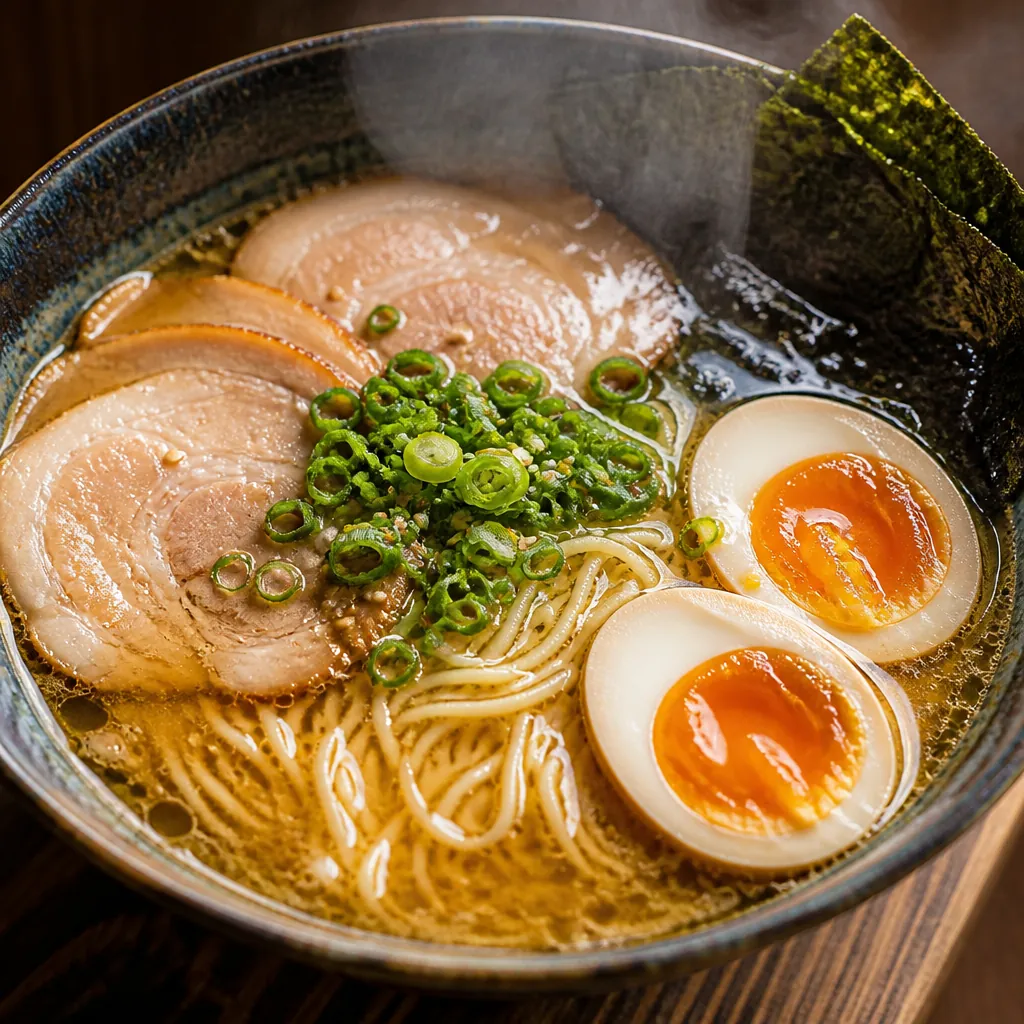
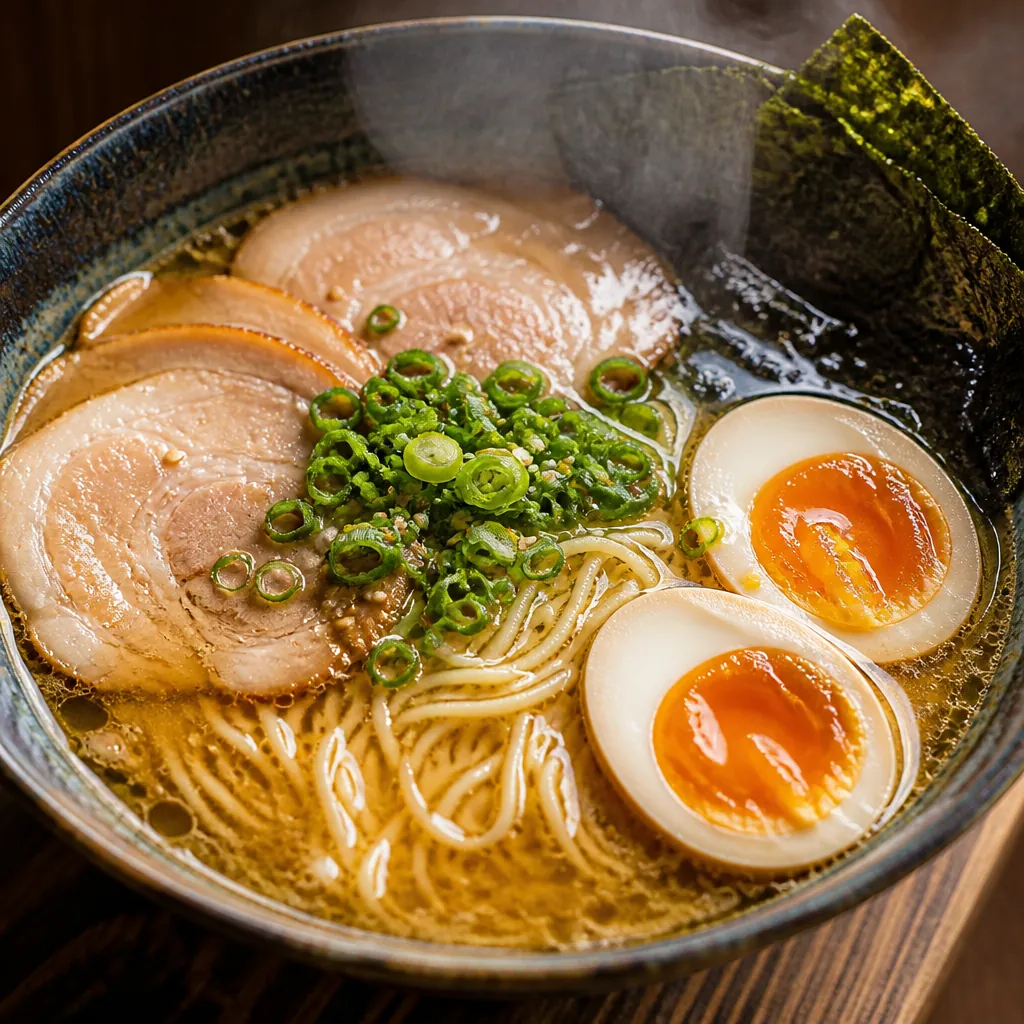
Every element in a properly built ramen bowl has a function. Chashu, the braised or roasted pork belly that appears in most styles, adds protein and fat that thickens your palate experience with each bite. The soft-boiled marinated egg, called ajitsuke tamago, contributes a rich, jammy yolk that softens the broth’s intensity and adds a second protein layer. Nori sheets absorb broth at the edges while staying dry at the top, giving you a changing texture as you eat. Bamboo shoots, called menma, add a firm crunch that prevents the bowl from becoming texturally monotonous.
The arrangement of these elements is not arbitrary either. A bowl where the toppings are piled without thought is usually a bowl where the toppings were not prepared with thought. At a ramen restaurant that takes the work seriously, each component is placed so the diner encounters different flavor combinations as they eat through the bowl. That intentionality is part of what separates ramen as soul food from ramen as a fast food product.
Ramen vs. Other Soul Food Traditions
Every food culture has its own version of the comfort bowl. The comparison matters because it clarifies what ramen does that other traditions do differently.
| Comfort Food Tradition | Primary Comfort Mechanism | Key Difference from Ramen |
|---|---|---|
| Japanese Ramen | Umami-rich broth, warm liquid volume, layered toppings, regional identity | Broth is built over many hours; every component is intentional; regional variation is wide and specific |
| American Chicken Noodle Soup | Warmth, familiarity, mild flavor, association with illness recovery | Simpler flavor profile, less textural complexity, toppings are functional rather than crafted |
| Vietnamese Pho | Aromatic spiced broth, rice noodles, fresh herb additions at the table | Broth is spice-forward rather than umami-forward; diner customizes more at the table; lighter body overall |
None of these traditions is superior to the others. Each meets its culture’s comfort needs well. What ramen does that few others match is the combination of depth, customizability, and regional specificity. You can eat ramen every day for a month and, if you are eating well, never have the same experience twice.
How to Order Ramen Like Someone Who Means It
Most first-time visitors to a serious ramen restaurant under-order, not because they lack appetite, but because they do not know what to ask for. At Zen Ramen and Sushi, the menu gives you enough variation that knowing what you are after will make the visit noticeably better. A few practical points before you sit down.
Know Your Broth Preference First
The broth style should be your first decision, not the toppings. Decide whether you want something light and clean (shio or shoyu) or something rich and filling (miso or tonkotsu). Everything else follows from that choice. Ordering a heavy tonkotsu and then being surprised that it is filling is like ordering a steak and being surprised by the protein.
Do Not Skip the Soft-Boiled Egg
The marinated soft-boiled egg is not an upsell. It is a functional component of the bowl, and its yolk changes the broth in the last third of the meal in a way that matters. Skipping it leaves the bowl slightly unfinished. This is one of those details that separates people who have eaten a lot of good ramen from people who have not.
Come Hungry, Not Starving
A proper ramen bowl is satisfying in a sustained way because of the protein, fat, and liquid volume. If you arrive ravenous, you will eat too fast and miss most of what is happening in the bowl. Ramen rewards the diner who slows down enough to actually taste the broth at different points in the meal.
If you are bringing someone who has never eaten at Zen Ramen and Sushi before, the referral you are giving them is a genuine gift. Japanese comfort food at this level is not something you stumble into. Point them toward Zen Ramen and Sushi and let the bowl do the rest of the work.
Frequently Asked Questions
What makes ramen a comfort food rather than just a noodle soup?
Ramen earns its comfort food status through a combination of warmth, savory depth, textural complexity, and cultural meaning. The broth activates multiple satiety signals simultaneously, the umami flavor reaches satisfaction centers in the brain, and the ritual of eating it, slowing down, working through layers of toppings, drinking the broth, is inherently grounding. A plain noodle soup does not do all of those things together.
Is tonkotsu ramen healthier or less healthy than other styles?
Tonkotsu broth is calorie-dense because of the fat and collagen extracted from pork bones during the long cooking process. It is richer than shio or shoyu, but the bone broth base does contain protein and minerals. Whether it fits your diet depends on your nutritional goals. For pure comfort and satiety, it is the most effective style. For a lighter meal, shio or shoyu with lean proteins is the better choice.
What is the correct way to eat ramen?
Start with the broth, take a few sips before touching the noodles. Eat the noodles while they are still firm, since they will continue softening in the hot broth. Slurping is not only acceptable but genuinely improves the experience by aerating the broth and carrying more aroma to the nose. Eat through the bowl at a pace that lets you taste different combinations of toppings, noodles, and broth as the ratios change.
Why does ramen taste different in different Japanese regions?
Regional ramen styles developed independently, shaped by local ingredients and climate. Sapporo’s cold winters favored hearty miso ramen with rich toppings. Fukuoka’s access to pork and proximity to China influenced its tonkotsu tradition. Tokyo’s cosmopolitan food culture produced the shoyu style that became a kind of national default. These are not branding differences. They reflect genuine culinary histories and ingredient traditions.
Can a restaurant ramen bowl ever replicate the comfort of homemade food?
Yes, and often exceeds it. Ramen broth in a serious restaurant is the result of many hours of cooking that most home kitchens cannot replicate. The depth of a properly made tonkotsu or miso broth requires time and technique that only makes sense at volume. Home ramen has its place, but the version you get at a dedicated ramen restaurant, where the broth has been built with intention, is a different experience entirely.
What is the difference between soul food Japan style and Western comfort food?
Western comfort food traditions tend to emphasize richness, sweetness, or both, think macaroni and cheese or mashed potatoes. Japanese comfort food, and ramen specifically, leans on umami depth, warm liquid, and textural layering. The emotional effect is similar, a sense of grounding and satisfaction, but the mechanism is different. Japanese soul food also carries a stronger connection to regional identity and craft, which adds a cultural dimension that most Western comfort foods do not have in the same concentrated form.
If you have a bowl of ramen that genuinely changed your day, we would love to hear about it. Share your experience in the comments or tell the friend who sent you here what made it worth the trip.
References
- Japan Tourism Agency: A complete guide to ramen history, regional varieties, and broth styles across Japan
- Pacific Citizen: How ramen became Japan’s defining comfort food and crossed into American culture
- Vocal Media: The psychology behind ramen’s status as a universal comfort food
- Immie Eats: A practical guide to the four main ramen broth types and their regional origins
- Zen Ramen and Sushi: The full history of ramen from Chinese noodle origins to Japan’s soul food