
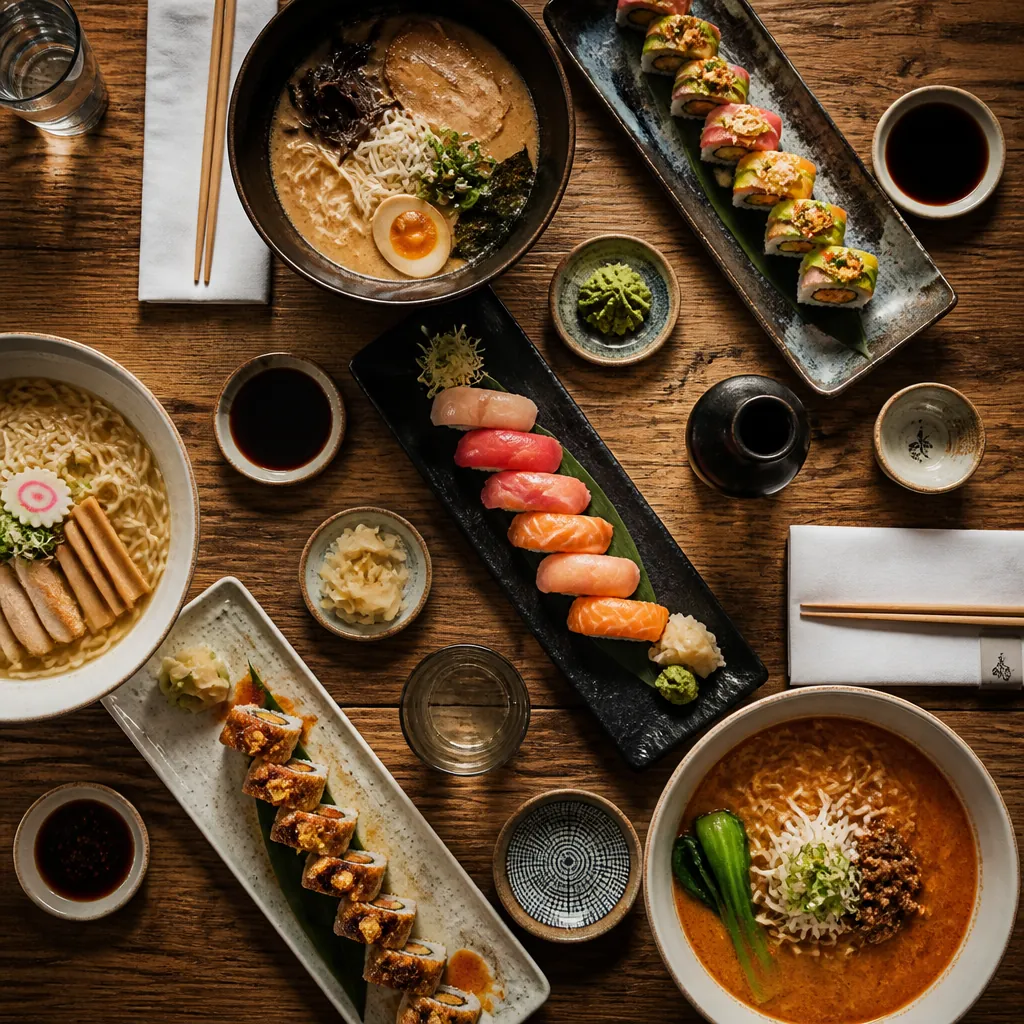
Planning a group dinner at a Japanese restaurant sounds easy until someone shows up with a list of dietary restrictions, three people want to share a single ramen bowl, and nobody can agree on whether to start with sushi or go straight for the broth. Group dining at a Japanese restaurant has a few moving parts that casual solo visits simply do not. At Zen Ramen & Sushi, where the menu balances rich tonkotsu bowls with fresh nigiri and specialty rolls, getting the logistics right is what turns a good meal into an evening your whole group talks about for weeks. This guide covers everything a friend-referred group needs to know before walking through the door.
Table of Contents
- Quick Takeaways
- Before You Arrive: Reservations and Timing
- How to Order for a Group: Ramen, Sushi, and Everything In Between
- Japanese Dining Etiquette Your Group Should Know
- Making the Most of Happy Hour for Groups
- Group Dining Approaches Compared
- Handling Dietary Restrictions Without Derailing the Evening
- Frequently Asked Questions
- References
Quick Takeaways
| Key Insight | Explanation |
|---|---|
| Reserve ahead for groups | Zen Ramen & Sushi takes reservations. For parties of four or more, booking in advance is the difference between sitting together immediately and waiting in a queue at the door. |
| Each person orders their own ramen | Ramen is not a sharing dish. Every person at the table should order their own bowl. Sharing a single bowl is considered poor form and leaves seats unfilled without a matching order. |
| Sushi rolls are ideal for sharing | Unlike ramen, sushi rolls can be ordered for the table and passed around. Use serving chopsticks or the reverse end of your own chopsticks to plate individual pieces before eating. |
| Happy Hour runs daily 4 PM to 8 PM | Select drinks are available at $5 each during happy hour. Timing your group arrival before 6 PM lets everyone enjoy a round before prices shift at dinner service. |
| Start with sushi, finish with ramen | The delicate flavors of raw fish are best appreciated before the palate is coated in rich broth. Ordering sushi first and ramen second gives each course its proper spotlight. |
| Collect dietary needs before you go | Zen Ramen & Sushi offers vegetarian options. Know your group’s restrictions before arrival so you can confirm options quickly without slowing down the table’s ordering rhythm. |
| Designate one person to coordinate the order | With five or more people, a single point of contact with the server keeps orders accurate and prevents the cascade of “wait, can I change mine?” that slows down every large-table meal. |
Before You Arrive: Reservations and Timing
The single biggest mistake groups make at popular Midtown restaurants is showing up without a reservation and assuming a weeknight walk-in will be seamless. Zen Ramen & Sushi takes reservations, and for groups this is not optional advice. It is the baseline move that prevents 20 minutes of awkward standing near the host stand while half your party is still on the subway.
Call ahead at (646) 870-7509 or use the online reservation system. When you book, give an accurate headcount. Restaurants seat tables based on party size, and showing up with nine people when you booked for six creates a genuine operational problem, not just an inconvenience.
Best Days and Times for Groups
Weekday evenings between 5:30 PM and 7:30 PM tend to work well for groups because the lunch crowd has cleared and the late-evening peak has not yet arrived. If your group wants to take advantage of happy hour, plan to arrive by 6 PM. Happy hour runs every day from 4 PM to 8 PM, giving you a comfortable window to settle in, order drinks, and review the menu together before committing to your main courses.
For weekend groups, a 12:30 PM or 1 PM reservation avoids the Saturday evening rush while still giving the meal a relaxed, unhurried pace. Zen Ramen & Sushi opens at noon on weekends, so early afternoon slots are often available and significantly calmer than prime dinner hours.
Pro tip: When you call to reserve, mention that your group is interested in both ramen and sushi. This helps the team set up your table with enough surface space for sushi plates alongside ramen bowls, which is a genuinely different configuration than a ramen-only party.
How to Order for a Group: Ramen, Sushi, and Everything In Between
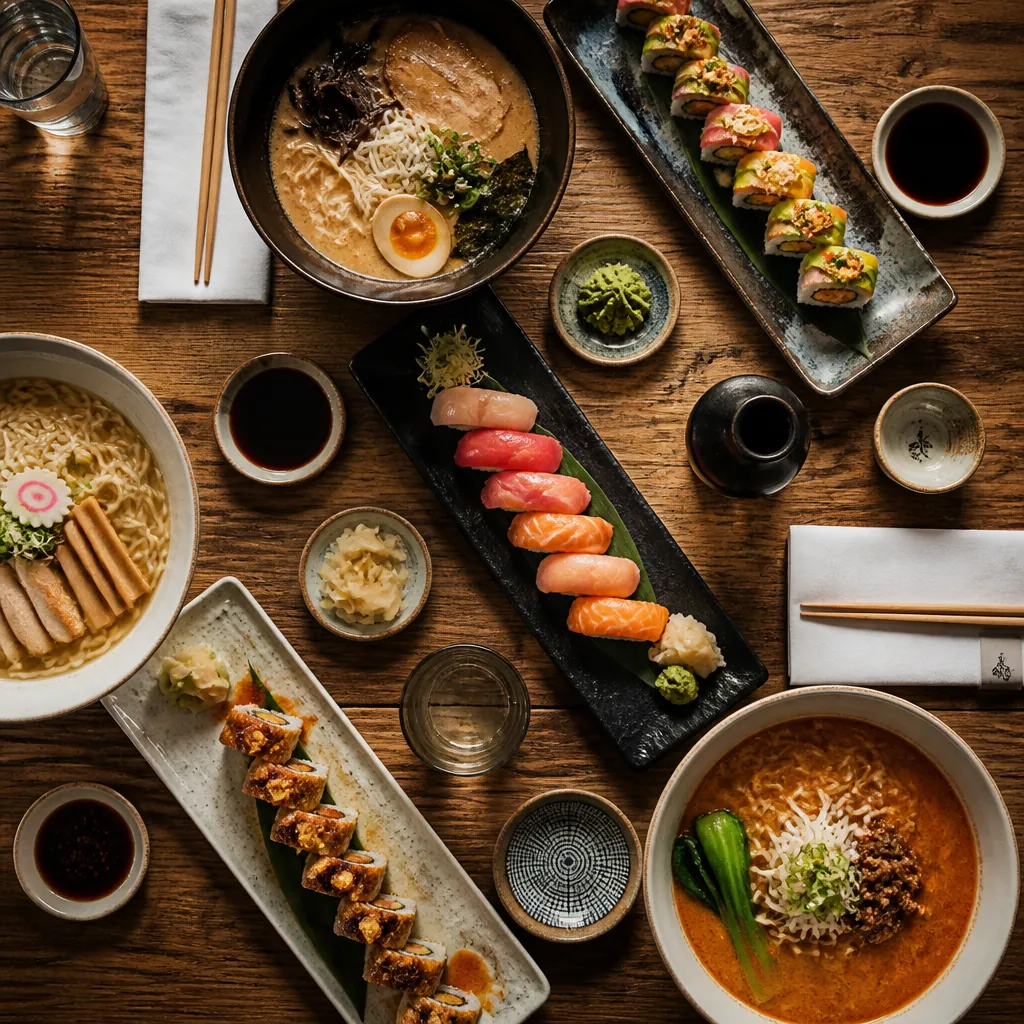
Ordering for a group at a restaurant that offers two very different meal formats requires a quick alignment conversation at the table before the server arrives. The people who want a rich tonkotsu bowl and the people who want a sashimi platter are not working against each other. They just need a clear sequence.
The Ramen-First Versus Sushi-First Debate
Order sushi first, then ramen. This is not arbitrary preference. The clean, delicate flavors of fresh raw fish are best appreciated before your palate is saturated with the deep, savory complexity of pork broth. Once you have had a bowl of spicy tonkotsu, a piece of lightly seasoned yellowtail loses some of its subtlety. Leading with nigiri or specialty rolls sets up the ramen course to land as the satisfying, warming finish it is meant to be.
A practical group ordering approach: have two or three people select sushi rolls for the table while everyone independently chooses their own ramen. Sushi rolls are cut into pieces and are easy to pass around. Ramen is emphatically not shareable. Every person needs their own bowl.
Building a Sushi Selection the Table Will Actually Eat
The common mistake with group sushi ordering is letting everyone shout out their personal favorite roll simultaneously. You end up with twelve rolls and no coherent progression. Instead, have one person take the lead and build a short list: two or three rolls that range from lighter (tuna, salmon, yellowtail-based) to richer (spicy crab, specialty rolls with sauce). Order those and add more if the table wants seconds. It keeps costs predictable and prevents the pile-up of unfinished plates.
The best group meals at a Japanese restaurant happen when the table agrees on a sequence before the server arrives. A quick two-minute discussion about what everyone wants to prioritize turns a chaotic order into a coherent, satisfying meal.
Appetizers That Actually Work for Groups
Gyoza, edamame, and shrimp shumai are purpose-built for sharing and arrive quickly. Ordering one or two appetizers immediately after sitting down gives the table something to eat while people settle in, study the ramen menu, and decide on sushi selections. It also absorbs the early hunger that makes people rush their ramen orders and end up with something that does not quite fit what they actually wanted.
Pro tip: When ordering sushi for a group, start with five or six pieces per roll selection rather than asking for custom piece counts. Standard rolls are portioned to share cleanly among two to four people, and this keeps the order simple and fast.
Japanese Dining Etiquette Your Group Should Know
Group settings are exactly where small etiquette missteps become visible. Nobody needs to memorize a formal rulebook, but a few specific habits make the meal run better for everyone at the table and show genuine respect for the cuisine and the staff.
Chopstick and Serving Etiquette at a Shared Table
When taking sushi or appetizers from a shared plate, use the serving chopsticks provided or flip your own chopsticks to use the clean, untouched end. Place the piece on your own plate before eating it. Do not eat directly from the communal dish. If a piece of sushi or a gyoza is too large, take the whole piece rather than biting half and returning the remainder to the shared plate.
For soy sauce, each person pours a small amount into their individual dipping dish. When eating sushi, dip only the fish side, not the rice, into the soy sauce. Soaking the rice causes it to fall apart and overwhelms the flavor balance the chef has built into the piece.
Ramen Etiquette in a Group Setting
Slurping ramen is not rude. It is a normal, widely accepted part of enjoying noodle dishes in Japanese dining culture, and it actually helps cool the noodles as you eat. What does slow a group down is letting ramen sit while the table takes photos or waits for everyone to be served before starting. Ramen is a dish meant to be eaten hot. If your bowl arrives, start eating. Your tablemates will understand, and the chef will appreciate it.
Avoid moving ramen bowls around the table the way you might pass a sushi plate. Each bowl was prepared for individual consumption and the toppings are arranged to eat in a specific order. Rotating or sharing from a ramen bowl disrupts that structure and leaves everyone with a lukewarm, partially eaten dish.
Making the Most of Happy Hour for Groups
Happy hour at Zen Ramen & Sushi runs every day from 4 PM to 8 PM, and it is one of the strongest arguments for timing your group dinner on the earlier side. Select drinks at $5 each gives a table of six or eight a genuinely affordable pre-dinner round without the usual Manhattan bar markup. This is not a small detail for groups where the bill split is always somewhere in the back of everyone’s mind.
The practical move is to arrive around 5 PM or 5:30 PM. Your group gets seated during happy hour, orders drinks and sushi appetizers while people arrive and settle, and then transitions into the full ramen dinner once everyone is present and relaxed. This structure prevents the awkward gap where the punctual people sit with nothing while they wait for the last stragglers to show up.
Coordinating Drinks Orders Without Chaos
Large tables with individual drink orders moving at different speeds slow down a busy server and frustrate the people who just want their sake. The cleanest approach is to do one round of drinks when most people are seated, then transition to individual ordering once the table has its footing. If your group includes people who do not drink alcohol, Zen Ramen & Sushi also offers non-alcoholic options, so the round-ordering method still works cleanly.
Pro tip: If your group is six or more and you plan to stay for the full dinner, let the server know upfront that you want the happy hour drinks round first and will order food shortly after. This sets expectations on both sides and keeps the meal from feeling rushed during the first fifteen minutes.
Group Dining Approaches Compared
Not all groups approach a Japanese restaurant dinner the same way. Some want a structured, pre-planned experience. Others prefer to arrive and improvise. Below is a direct comparison of three common approaches, with honest assessments of what each one actually delivers for a group at a sushi and ramen restaurant like Zen Ramen & Sushi.
| Approach | What It Looks Like in Practice | Best For |
|---|---|---|
| Pre-Planned Group Dinner | One person makes a reservation, shares the menu link in advance, collects dietary restrictions, and designates a sushi coordinator at the table. Everyone arrives knowing roughly what they want. | Groups of six or more, celebrations, first-time visitors to Zen Ramen & Sushi who want to avoid decision fatigue at the table. |
| Semi-Structured Happy Hour Entry | Group arrives at 5 PM to 5:30 PM, orders drinks and sushi under happy hour pricing, decides on ramen once everyone has arrived and settled. No pre-assigned roles, but a loose shared understanding of the sequence. | Groups of four to six who know each other well and can make quick decisions together without one person taking charge. |
| Walk-In, Improvise on Site | No reservation, no prior menu review. Group sizes the menu at the table, orders in waves, and figures out sharing as they go. | Groups of two to three on a weekday, or anyone visiting during off-peak hours. This approach struggles at weekend evenings and for larger parties where the wait time or table configuration becomes a problem. |
The pre-planned approach consistently produces the most satisfying group meals. The semi-structured approach is a solid middle ground for regulars. The full improvisation approach works for small groups at quiet times but fails frequently for larger parties at peak hours.
Handling Dietary Restrictions Without Derailing the Evening
Dietary restrictions are the element of group dining that most often gets ignored until someone is sitting in front of a menu they cannot navigate. Zen Ramen & Sushi offers vegetarian options, and the menu includes a range of broth styles and protein choices that give people with dietary preferences real options rather than a single substitution. But knowing this in advance is what allows you to order confidently instead of holding up the table while you flag down the server for clarification on each dish.
The right move is simple: before you book, do a quick group message to everyone asking about dietary restrictions or preferences. Collect those responses and check the menu in advance. Identify two or three dishes that work for the people with restrictions. Then, at the table, the person with the restriction can order quickly because they already know what works. The table keeps its momentum.
Common Restrictions and How They Play Out at a Sushi and Ramen Restaurant
Vegetarians can typically find options in the sushi selection, particularly rolls built around cucumber, avocado, pickled vegetables, and cooked items. Ramen for vegetarians depends on broth base, so confirming with the server before ordering is a reasonable step. Guests avoiding raw fish can order cooked rolls, gyoza, and other non-raw preparations without missing the overall Japanese dining experience.
Guests with soy allergies face a more complex situation since soy sauce is foundational to many preparations. Alerting the server at the start of the meal gives the kitchen time to flag the specific table and adjust where possible. Do not wait until the food arrives to mention it.
Asking about restrictions before selecting a restaurant is a basic act of hospitality toward your group. If you were the one who suggested Zen Ramen & Sushi to your friends, take that brief extra step to make sure everyone at the table has something genuinely good to eat.
Frequently Asked Questions
Does Zen Ramen & Sushi take reservations for large groups?
Yes. Zen Ramen & Sushi accepts reservations. For groups of four or more, booking ahead by phone at (646) 870-7509 or through an online reservation platform is strongly recommended, especially for weekend evenings and peak dinner hours. Walk-ins are possible but carry real risk of waiting, particularly for parties that need a larger table configuration.
Can our group share ramen bowls to try different flavors?
In practice, no. Ramen is designed as an individual dish, and every person at the table is expected to order their own bowl. Sharing from a communal ramen bowl disrupts the dish’s temperature, its topping arrangement, and the restaurant’s seating economics. If your group wants to experience multiple ramen varieties, order each person their own choice and take a few spoonfuls to taste from each other’s bowls if everyone agrees to it.
What is the best way to split the bill for a sushi and ramen dinner?
The cleanest approach for a mixed sushi-and-ramen group dinner is to separate ramen as individual charges and split the shared sushi plates evenly across the table. Most groups find this intuitive because each person chose their own ramen and shared equally in the sushi selection. Using a bill-splitting app before you sit down to handle the math prevents the ten-minute calculation session at the end of the meal.
Is Zen Ramen & Sushi a good choice for a birthday dinner with friends?
Yes, and it is particularly well-suited if the group includes people with varied preferences, since the menu covers both ramen and sushi in depth. The restaurant is good for groups and takes reservations, which means a birthday party can have a confirmed table and a relaxed pace rather than scrambling for space. Mentioning the occasion when you reserve is a reasonable step and allows the staff to be prepared for the celebration.
What should first-timers at a Japanese restaurant order for a group dinner?
Start with edamame and two or three sushi rolls for the table while everyone reviews the ramen menu. For ramen, first-timers often do well with the tonkotsu shoyu, which offers a rich but approachable broth. If someone in the group is uncertain, the spicy tonkotsu is a popular choice that still delivers the full ramen experience. Order appetizers early so the table has food while people settle in, and do not rush the ramen decision.
How far in advance should a group book for dinner at Zen Ramen & Sushi?
For weekday evenings, booking one to two days ahead is generally sufficient. For weekend dinners, especially Friday and Saturday evenings, aim for three to five days in advance. For special occasions or larger parties of eight or more, booking a week ahead gives the restaurant enough time to prepare the right table setup and gives your group the best available time slot.
Have you brought a group of friends to Zen Ramen & Sushi? Share what worked, what you ordered, and whether you timed the happy hour right. Your experience could help someone else plan their first group dinner here.
References
- Japanese restaurant etiquette guide covering chopstick use, sushi dipping, and shared-dish protocols
- Zen Ramen & Sushi reservation listing on Resy with hours and location details
- Zen Ramen & Sushi menu overview including happy hour details and featured ramen dishes
- Dining tips for Japanese restaurants including ramen and sushi ordering guidance
- Overview of Japanese table manners and dining etiquette for restaurant visits