
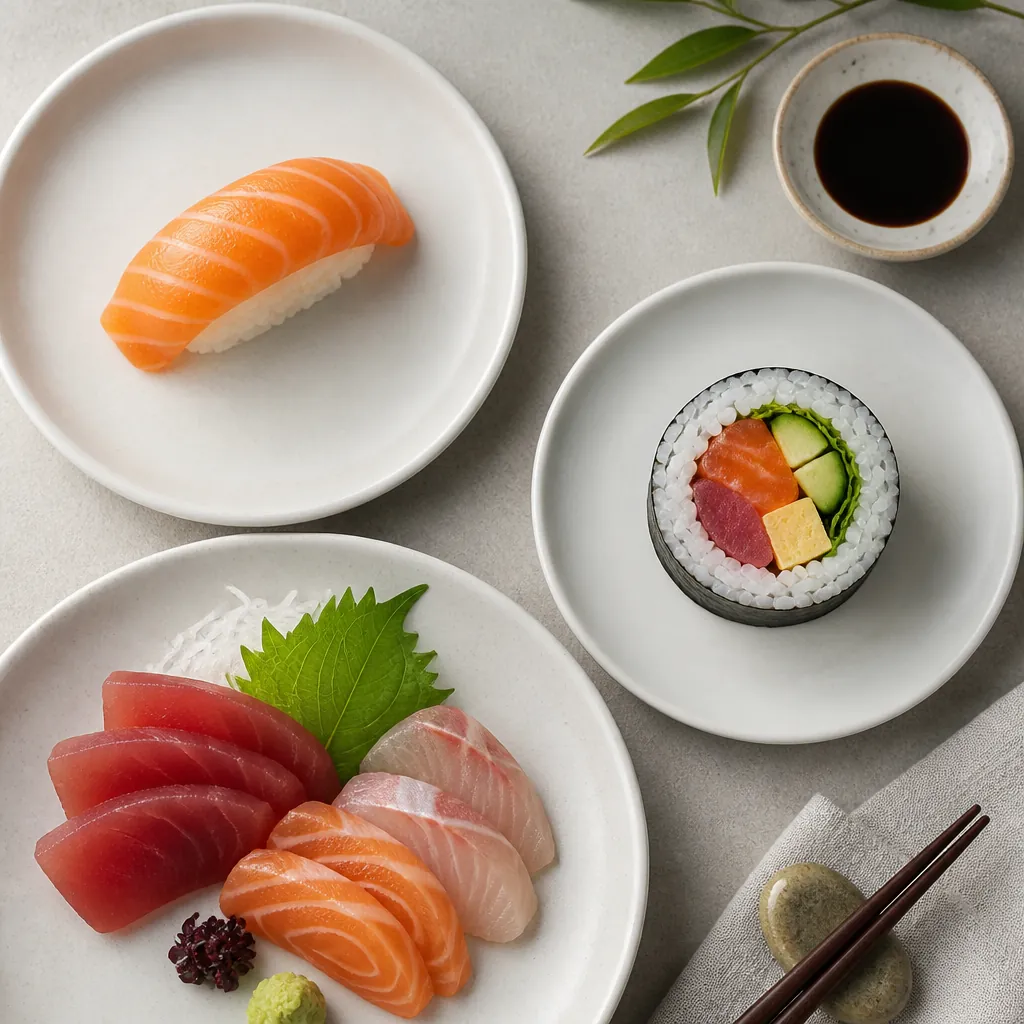
Most people walk into a sushi restaurant for the first time and stare at the menu like it is written in a foreign language, because, in part, it is. You know you want something with salmon, something fresh, and ideally nothing that will embarrass you in front of your table. The problem is that nigiri sushi, maki rolls, sashimi, and temaki are genuinely different things, and ordering the wrong style when you are not sure what you want is a real loss. This guide breaks down each sushi style clearly, tells you how to eat it, and gives you the vocabulary to walk into any sushi restaurant and order with confidence.
Table of Contents
- Quick Takeaways
- What Is Nigiri Sushi
- What Is Maki
- What Is Sashimi
- What Is Temaki
- Sushi Styles Side-by-Side Comparison
- How to Order Like a Regular
- Frequently Asked Questions
- References
Quick Takeaways
| Key Insight | Explanation |
|---|---|
| Nigiri is fish on rice, nothing more | A pressed mound of vinegared rice topped with a single slice of fish or seafood. Simple, and the quality of each ingredient is impossible to hide. |
| Maki means “to roll” in Japanese | All maki rolls are made by layering rice and fillings on nori, then rolling tightly and slicing into bite-sized rounds. |
| Sashimi contains zero rice | It is thinly sliced raw fish or seafood served alone, which is what separates it from every other item on a sushi menu. |
| Temaki is meant to be eaten immediately | The hand-rolled cone shape lets the nori go soft fast. Eat it whole as soon as it is handed to you. |
| Dip the fish side into soy sauce, not the rice | For nigiri especially, dipping the rice side causes it to absorb too much soy sauce and overpowers the delicate flavor of the fish. |
| Uramaki is the style most common in the US | Also called “inside-out” rolls, these have rice on the outside and nori on the inside. Most American specialty rolls are uramaki. |
| Sashimi is a good starting test for fish quality | Because there is no rice or sauce to hide behind, sashimi reveals the true freshness and cut quality of the fish immediately. |
What Is Nigiri Sushi
Nigiri is the style that most serious sushi eaters come back to again and again, and for good reason. The construction is intentionally minimal: a chef presses a small, oblong mound of vinegared rice by hand, adds a small smear of wasabi, then drapes a single slice of fish or seafood across the top. That is it. No rolls, no wrapping, no extra sauces disguising the ingredients.
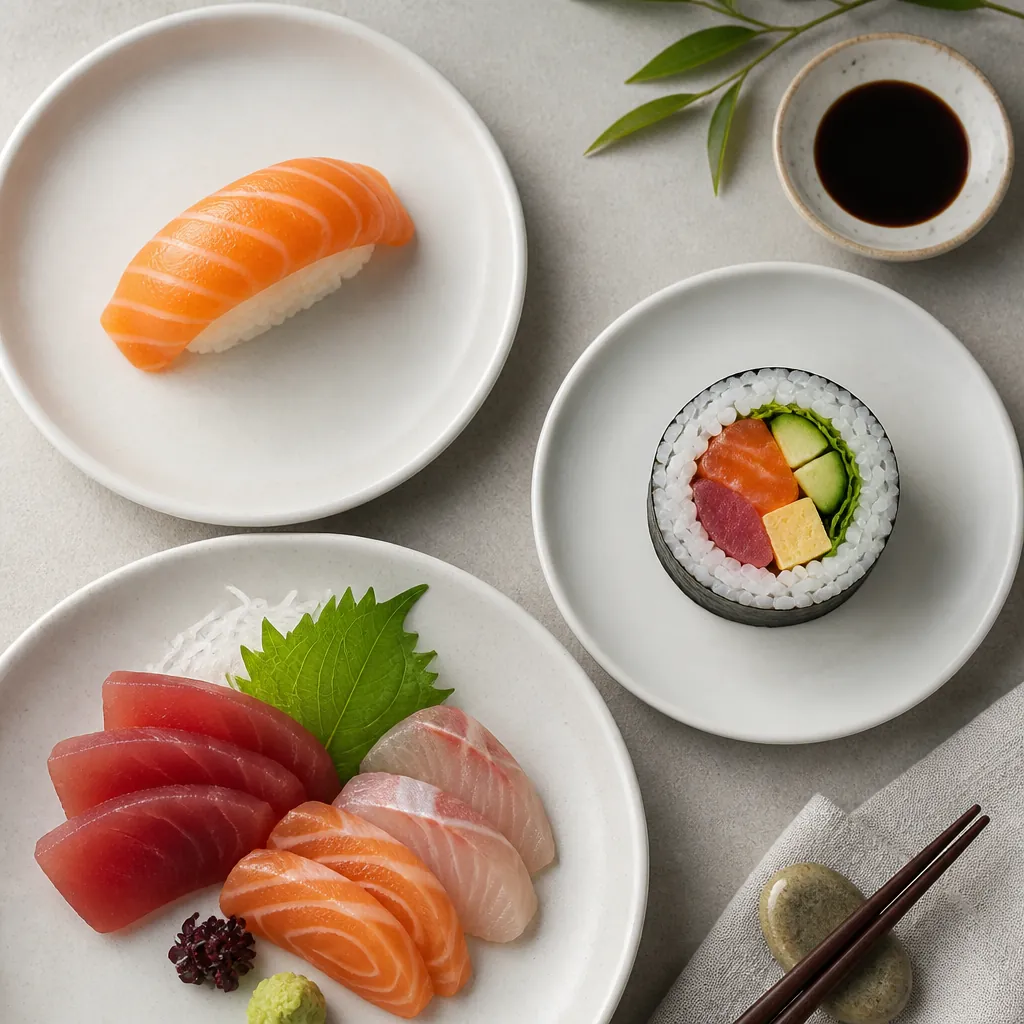
Popular nigiri toppings include tuna (maguro), salmon (sake), yellowtail (hamachi), mackerel (saba), shrimp (ebi), octopus (tako), and eel (unagi). The fish varieties most commonly used are chosen for their firm texture and rich fat content, which creates a smooth, full-flavored bite. Cooked options like shrimp and eel make nigiri accessible if you are not ready for completely raw fish.
Because nigiri is a one-bite dish, it is perfectly acceptable to eat it with your hands. In fact, many experienced diners prefer this, since chopsticks can break the rice apart. When you dip, turn the piece fish-side down so the rice stays intact and the soy sauce touches only the fish.
Pro tip: A small dollop of wasabi is typically placed between the rice and the fish by the chef. If you add more wasabi separately, do it sparingly. The wasabi is already calibrated to complement the fish, not overwhelm it.
How Nigiri Differs From All Other Sushi Styles
The difference between nigiri and maki is structural: nigiri uses a pressed rice mound with fish on top, while maki rolls the rice and fillings inside a tube of nori. The difference between nigiri and sashimi is even simpler. Sashimi has no rice at all. If you see fish sitting on rice, it is nigiri. If fish is sitting alone on a plate, it is sashimi.
This simplicity is why nigiri is widely considered the truest test of a sushi chef’s skill. There is nowhere to hide a bad cut of fish or poorly seasoned rice. At Zen Ramen and Sushi, you can taste the difference that attention to rice seasoning and fresh fish sourcing makes, especially when you order a nigiri plate alongside a sashimi plate of the same fish.
What Is Maki
Maki is what most people picture when they think of sushi in the United States. The word “maki” translates directly as “to roll” in Japanese, and the preparation reflects exactly that. A bamboo mat is used to layer nori with vinegared rice and fillings, roll everything tightly into a cylinder, and then slice the cylinder into bite-sized rounds. When you look at a cross-section of a maki piece, you see fillings at the center, surrounded by rice, with a thin layer of nori on the outside.
The Main Types of Maki to Know
Hosomaki is the traditional thin roll, containing just one or two ingredients inside. Classic examples include the kappa maki (cucumber) and tekka maki (tuna). These are the rolls that appear on menus in Japan as the standard form of maki.
Futomaki is the thicker roll, packed with multiple ingredients and typically larger in diameter than hosomaki. These tend to feature a combination of fish, vegetables, and sometimes egg.
Uramaki, the inside-out roll, flips the structure by placing rice on the outside and nori on the inside. This is the dominant style at most American sushi restaurants. The California roll, with its crabmeat or imitation crab, avocado, and cucumber filling, is the most widely recognized uramaki. Many specialty rolls listed on restaurant menus as “special rolls” fall into this category and are often topped with sesame seeds or sliced fish.
Pro tip: If you are new to sushi and unsure where to start with maki, a spicy tuna roll or a California roll gives you a mild, familiar entry point. Once you have your bearings, move toward hosomaki styles to taste individual ingredients without distraction.
What Is Sashimi
Sashimi is the simplest and most honest preparation on any Japanese menu. It is thinly sliced raw fish or seafood served without rice, without nori, and usually without much garnish beyond a small pile of daikon radish and a shiso leaf. The word itself translates roughly as “pierced flesh” in Japanese, and the preparation prioritizes showcasing the natural quality of the fish above everything else.
Because sashimi contains no rice, it is technically not sushi. But it appears on every sushi restaurant menu and is central to the Japanese dining experience, so understanding it belongs in any sushi style guide. The key distinction is that sushi always involves seasoned vinegared rice, while sashimi is fish alone.
The Best Sashimi Fish for Beginners
Salmon is the most accessible entry point for new sashimi diners because of its mild flavor and smooth, yielding texture. Tuna is equally popular, appearing in three distinct cuts: akami (lean, clean flavor), chutoro (medium fat, more richness), and otoro (the most prized, with a buttery melt-in-your-mouth quality). Yellowtail (hamachi) sits between lean and fatty fish, making it one of the most balanced and widely recommended options for diners expanding beyond salmon and tuna.
Other options worth exploring include scallop (hotate), which has a delicate sweetness, and squid (ika), which has a firmer, chewier texture. Each offers a meaningfully different eating experience.
The clearest test of freshness at any sushi restaurant is the sashimi. With no rice or sauce to compensate, the fish has nowhere to hide. If the sashimi is excellent, you can trust the rest of the menu.
At Zen Ramen and Sushi, pairing a sashimi order with a nigiri order of the same fish is one of the best ways to understand how rice seasoning and presentation change the experience of a single ingredient. Most guests find it genuinely illuminating.
What Is Temaki
Temaki is the most casual and social style of sushi, and it is frequently overlooked on restaurant menus by people who do not know what it is. The name means “hand roll,” and that describes it precisely. A sheet of nori is held in the hand, filled with sushi rice and various ingredients, and then rolled into a cone shape by hand without using a bamboo mat. The result is a large, personal-sized cone that is eaten whole.
Unlike maki rolls, which are sliced into several pieces and shared around a table, each temaki is a single, individual serving. The difference between maki and temaki is that maki is firmly rolled and sliced into multiple bite-sized pieces, while temaki is loosely rolled into a cone and intended to be eaten as a whole unit by one person.
Why Temaki Needs to Be Eaten Immediately
The cone shape of temaki means the nori is exposed to the moisture of the rice and fillings from the moment it is assembled. If you wait even a few minutes before eating, the nori loses its crispness and the texture of the whole thing changes. This is not a dish you photograph at length before eating. Pick it up and eat it right away.
Common temaki fillings include negitoro (finely chopped tuna with scallions), salmon with cucumber, and spicy tuna. The nori is on the outside and the rice and fillings sit inside the cone. The hand-eating format is part of the appeal. Temaki is inherently relaxed and hands-on, which makes it a favorite for group dining and casual sushi occasions.
At Zen Ramen and Sushi, temaki pairs naturally with a bowl of ramen for a well-rounded Japanese meal that covers both delicate sushi preparation and the deeper, more complex flavor experience of a slow-cooked broth.
Sushi Styles Side-by-Side Comparison
Understanding the four major sushi styles is easier when you see them next to each other. The table below compares nigiri, maki, sashimi, and temaki across the attributes that matter most to a first-time or occasional sushi diner.
| Style | Contains Rice | Contains Nori | How It Is Eaten | Best For |
|---|---|---|---|---|
| Nigiri | Yes, pressed by hand | No (sometimes a thin strip) | Fingers or chopsticks, one bite | Tasting individual fish quality |
| Maki | Yes, layered inside roll | Yes (outside or inside) | Chopsticks, multiple pieces | Variety and sharing |
| Sashimi | No | No | Chopsticks or fingers, thin slices | Pure fish flavor, no distractions |
| Temaki | Yes, inside the cone | Yes, forms the cone | Hands, eat immediately, whole | Casual dining, group meals |
How to Order Like a Regular
The biggest mistake first-time sushi diners make is ordering every roll on the menu and finishing neither hungry nor satisfied. A better approach is to build an order across styles so you get a range of textures and flavors without the repetition.
A Practical First-Visit Order at a Sushi Restaurant
Start with a sashimi plate of salmon or tuna. This gives you a baseline for the fish quality. Follow that with two or three pieces of nigiri sushi, ideally choosing fish you just tried as sashimi so you can compare the experience with rice. Then order one maki roll, either a classic hosomaki or a specialty uramaki, depending on how adventurous you feel. If the table is relaxed and the mood is casual, add a temaki at the end as a satisfying, hands-on finish.
This order structure works because it moves from the purest fish-forward experience toward the more complex, layered flavors of rolls. You learn the menu from the inside out rather than defaulting to whatever has the most description in the menu copy.
Soy Sauce and Wasabi: What You Are Actually Supposed to Do
Mixing wasabi directly into soy sauce is common practice in many restaurants outside Japan, but it is worth knowing that many sushi chefs consider it to be a flavor shortcut. The preferred approach is to use a tiny amount of wasabi separately, applied directly to the fish or rice, so you can control the heat on each piece individually.
For nigiri, dip the fish side down into soy sauce for a brief moment. Keep the rice side dry. This protects the texture of the rice and keeps the fish flavor at the center of the bite. For maki rolls, a light dip of one end is enough. Sashimi can be dipped more freely since there is no rice to protect.
Pro tip: When visiting Zen Ramen and Sushi with a group, order a mix of nigiri, a sashimi plate, and one or two maki rolls to share, then let everyone try a temaki to close out. It covers the full range of sushi styles in one meal and gives first-timers a real introduction to what Japanese sushi preparation actually involves.
Frequently Asked Questions
What is the difference between nigiri and sashimi?
Nigiri is a slice of fish placed on top of a pressed mound of vinegared rice. Sashimi is thinly sliced raw fish served without any rice at all. If there is rice involved, it is nigiri. If there is only fish on the plate, it is sashimi. Both showcase fish quality directly, but sashimi makes the fish the sole focus with no other ingredient to modify the flavor.
Is sashimi considered sushi?
Technically, no. Sushi by definition requires seasoned vinegared rice as a component. Sashimi contains no rice, so it is not classified as sushi in the traditional Japanese sense. However, sashimi is served at sushi restaurants and is central to the broader Japanese dining experience. The distinction matters mostly for ordering purposes: if you want fish without rice, ask for sashimi.
What does “maki” mean and how is it different from a hand roll?
Maki means “to roll” in Japanese and refers to any sushi roll made by layering nori with rice and fillings, rolling it tightly with a bamboo mat, and slicing it into several bite-sized pieces. A hand roll, or temaki, skips the bamboo mat and is shaped into a cone by hand. Temaki is larger, meant for one person, and eaten whole immediately. Maki pieces are smaller, sliced, and typically shared.
Can I eat nigiri sushi with my hands?
Yes, and many experienced sushi diners prefer it. Nigiri is designed as a one-bite piece, and picking it up with your fingers gives you more control over how it lands in the soy sauce and how it holds together before you eat it. Chopsticks can sometimes cause the rice mound to break apart. Either approach is acceptable at most Japanese restaurants, including casual sushi spots.
What is uramaki and how is it different from regular maki?
Uramaki is an inside-out roll where the rice sits on the outside of the roll and the nori wraps around the fillings on the inside. Traditional maki has nori on the outside. Uramaki is the most popular sushi style in the United States, and most specialty rolls on American sushi menus, including California rolls and rainbow rolls, fall into this category. Sesame seeds are often pressed into the outer layer of rice to add texture.
Which sushi style is best for someone who does not like raw fish?
Maki rolls give you the most flexibility here. Many maki options use cooked ingredients such as shrimp tempura, crab, or grilled eel. California rolls use imitation crab, avocado, and cucumber, with no raw fish at all. For nigiri specifically, shrimp (ebi) and eel (unagi) are cooked options. Temaki can also be filled with cooked ingredients. The key is to ask your server which rolls or pieces use cooked seafood rather than raw.
How do I know if the fish at a sushi restaurant is fresh?
The clearest signal is the sashimi. Because sashimi is served with no rice, sauce, or seasoning to mask the fish, any off-flavor or poor texture is immediately obvious. Fresh fish in sashimi should have a clean ocean scent, a smooth surface without dryness or discoloration, and a firm but yielding texture. If the sashimi is excellent, the nigiri and maki will almost certainly reflect the same quality of sourcing. At Zen Ramen and Sushi, ordering a small sashimi plate first is the best way to judge the menu before committing to a full order.
Have you tried all four sushi styles, or is there one you always come back to? Share your experience in the comments, or let us know what you ordered on your last visit.
References
- A detailed breakdown of sushi types including nigiri, maki, uramaki, and temaki with preparation details
- Comparison of sashimi and nigiri sushi with notes on temaki hand rolls and how each is served
- Guide to different sushi styles covering maki, temaki, nigiri, and sushi etiquette rules
- Overview of the best fish for sashimi including tuna, salmon, yellowtail, and how to choose between them
- Comprehensive guide to sushi types with explanations of sushi rice, nori, and the role of each component