
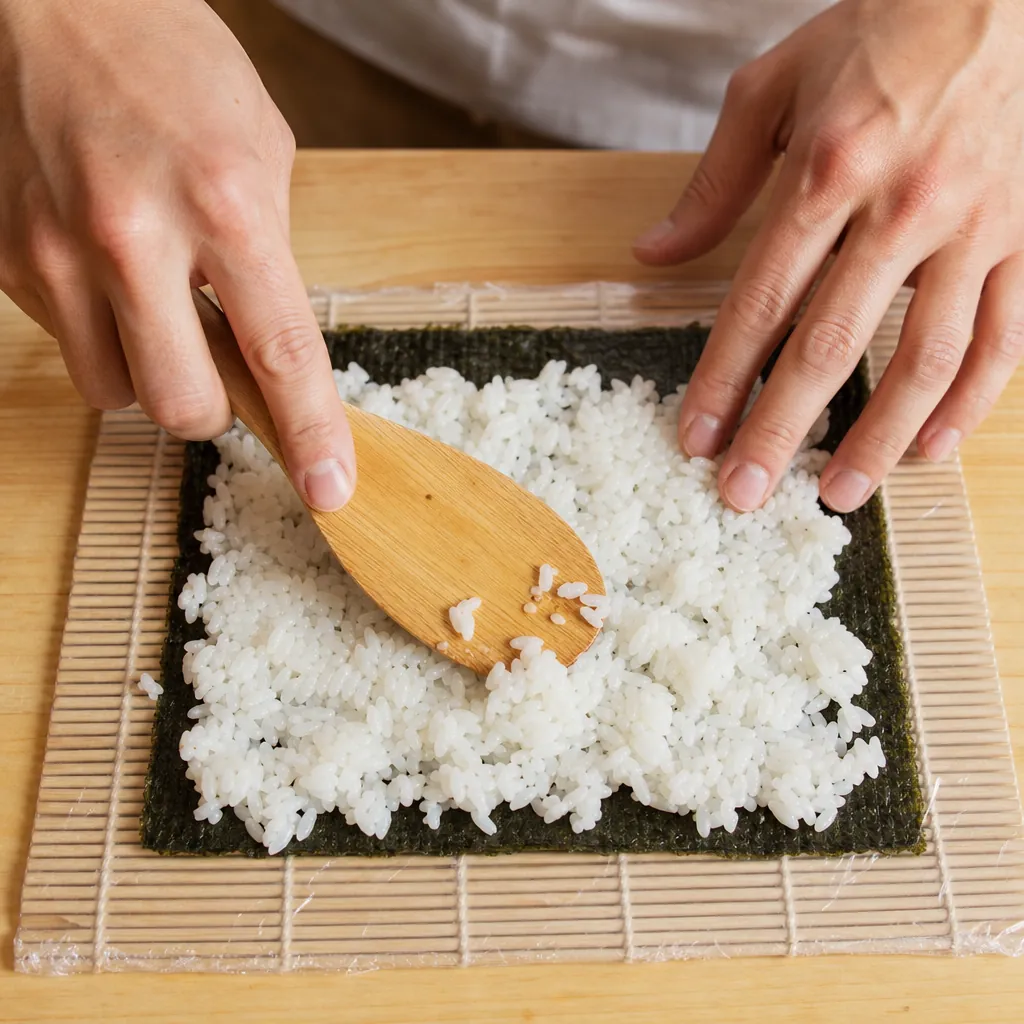
Most people eating a sushi roll have no idea they are holding the result of years of disciplined training, precise knife work, and ingredient sourcing that can take longer than the meal itself. Sushi roll craftsmanship is not a casual skill. A trained Japanese sushi chef spends a minimum of two to three years mastering rice preparation alone before they are permitted to touch fish in many traditional kitchens. Understanding what goes into every piece completely changes how you experience a meal, and if a friend has brought you to Zen Ramen and Sushi, this article explains exactly what makes a thoughtfully crafted roll worth savoring slowly.
Table of Contents
- Quick Takeaways
- Why Sushi Roll Craftsmanship Matters
- The Rice Foundation: Where Every Roll Begins
- Knife Skills and Fish Selection
- The Rolling Technique: More Precise Than It Looks
- Nori and Ingredient Layering
- Sushi Roll Styles Compared
- How Zen Ramen and Sushi Approaches Craftsmanship
- Frequently Asked Questions
- References
Quick Takeaways
| Key Insight | Explanation |
|---|---|
| Rice is 80% of a roll’s quality | Temperature, vinegar ratio, and texture of sushi rice determine the taste and structure of every roll before a single topping is added. |
| Knife angle changes everything | A Japanese sushi chef cuts fish at a specific angle, usually 45 degrees, to preserve cell structure and deliver a cleaner, less watery texture. |
| Nori freshness is non-negotiable | Stale nori tears instead of rolling cleanly, collapses the structure, and kills the crispness that distinguishes a quality roll from a mediocre one. |
| Pressure during rolling must be even and firm | Too little pressure leaves air pockets that cause the roll to fall apart when cut. Too much crushes the rice and flattens the filling. |
| Fish grade is graded by fat marbling, not just freshness | Sashimi-grade fish is assessed for fat distribution, color uniformity, and smell profile, not just how recently it was caught. |
| The makisu (bamboo mat) technique varies by roll style | Inside-out rolls (uramaki) require a plastic-wrapped mat and a completely different rolling direction compared to traditional hosomaki. |
| Slicing must be done in one clean draw | Sawing back and forth compresses the roll and rips the nori. One smooth pull of a wet, sharp knife produces the clean cross-section you see in professional kitchens. |
Why Sushi Roll Craftsmanship Matters
There is a reason sushi restaurants vary so wildly in quality even when they appear to serve the same dishes. The gap between a roll that falls apart in your hands and one that holds its shape through every bite comes down to a series of small technical decisions made by the chef before the food ever reaches your table.
Sushi roll craftsmanship is the discipline of making hundreds of micro-decisions correctly and consistently. The rice-to-filling ratio, the moisture level of the fish, the thickness of the nori sheet, the direction of the rolling pressure: each element interacts with the others. Getting one wrong degrades all of them.
In practice, the difference is immediately obvious to any diner who has eaten at a restaurant where these standards are taken seriously. The roll does not disintegrate. The rice is not gummy. The fish is clean-tasting, never fishy. That experience is the direct result of craft, not luck.
The Rice Foundation: Where Every Roll Begins
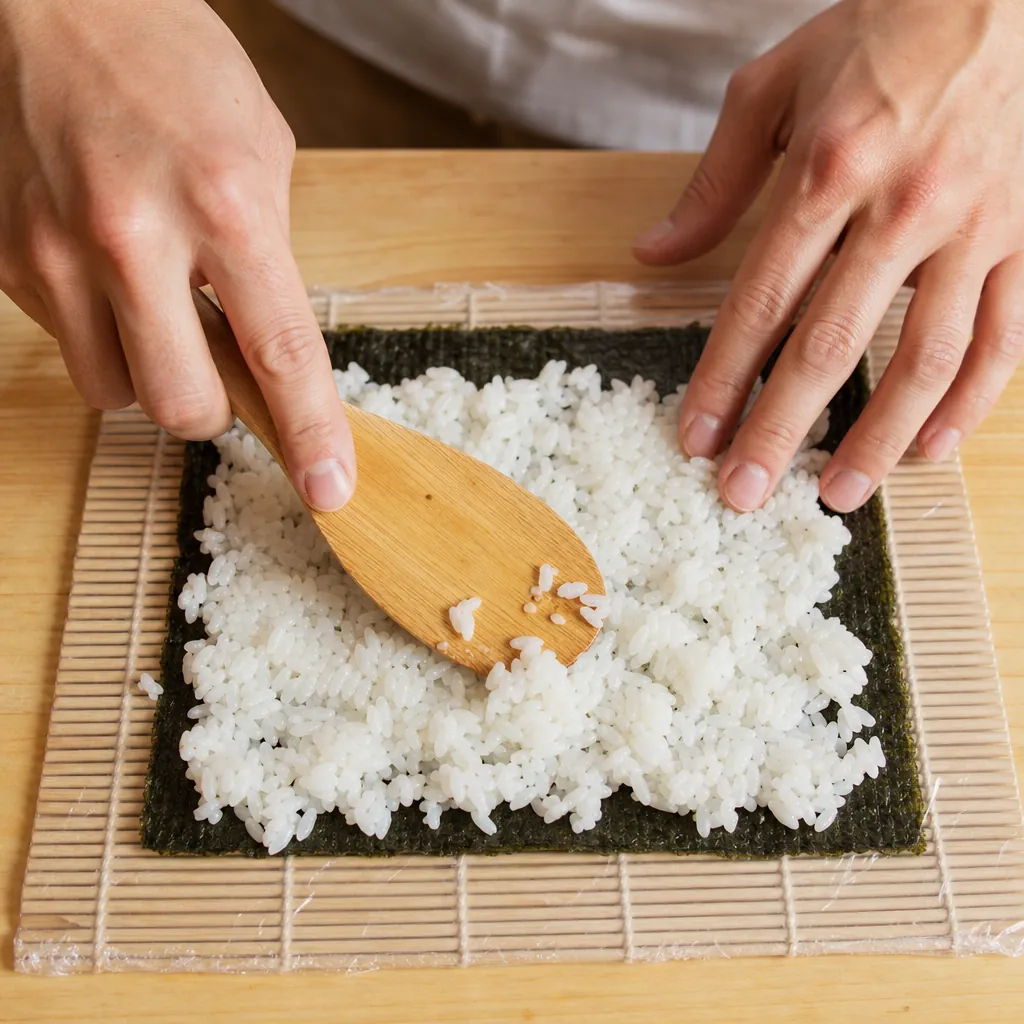
Sushi chefs spend years on rice alone, and this is not an exaggeration designed to romanticize the profession. The Japanese culinary tradition has a specific title, itamae, for the chef who stands in front of the cutting board, and earning it requires demonstrating mastery of shari, the vinegared sushi rice, before moving to fish preparation.
Choosing the Right Rice Variety
Short-grain Japanese rice, specifically varieties like Koshihikari, is the only acceptable base for authentic sushi rice. Long-grain varieties do not produce the necessary stickiness. Medium-grain rice is a common compromise that sacrifices texture for cost, and experienced diners notice it immediately.
The starch content in short-grain rice creates a cohesive structure when cooked and seasoned. This is not a preference. It is a functional requirement. Without that structural integrity, the rice falls away from the filling during rolling and crumbles on the plate.
The Vinegar Ratio and Temperature Window
Shari is seasoned with a blend of rice vinegar, sugar, and salt. The ratio varies by restaurant and region in Japan, but a standard professional ratio runs approximately 5 parts vinegar to 2 parts sugar to 1 part salt, adjusted for volume and personal style.
The temperature window for working with sushi rice is narrow. Too hot, and the moisture causes the nori to go limp immediately. Too cold, and the rice becomes dense and loses its ability to adhere. Professional sushi chefs work the rice at body temperature, around 37 degrees Celsius, which is why sushi is considered a live preparation, not something you batch and hold for hours.
Pro tip: When you pick up a sushi roll and the rice is cold and hard, the restaurant is serving refrigerated product. Authentic sushi rice should never feel cold to the touch, because it was never meant to be chilled after preparation.
Knife Skills and Fish Selection
A Japanese sushi knife, specifically a yanagiba, is a single-bevel blade designed for one-direction cutting. This is not aesthetic preference. The single bevel allows the knife to follow the grain of the fish without tearing cell walls, which is what keeps fish tasting clean rather than mushy.
Selecting Sashimi-Grade Fish
The term sashimi-grade has no formal regulatory definition in the United States, but in practice it refers to fish that has been handled under conditions suitable for raw consumption. This means rapid freezing to FDA-recommended temperatures to eliminate parasites, followed by precise cold-chain management from supplier to kitchen.
How a Japanese sushi chef evaluates fish before purchase involves looking at fat marbling in tuna, the translucency of white fish like flounder, and the iridescent sheen of salmon skin. Fish that appears dull or has a strong odor is rejected before it enters the kitchen, not after the chef decides it does not taste right.
The Cutting Angle and Its Effect on Texture
Cutting fish at roughly 45 degrees, known as sogigiri, exposes more surface area while reducing the amount of force needed to separate the fibers. This produces a piece that melts on the palate rather than requiring the diner to chew through it.
A common mistake in lower-quality kitchens is cutting fish straight down, perpendicular to the board. The resulting pieces have compressed fibers, excess moisture, and a rubbery texture that no sauce or seasoning can fully correct.
“The knife should glide, not push. The moment you apply pressure instead of drawing the blade, you have already changed the texture of the fish.” Chef Jiro Ono, as quoted in the culinary documentary record, a principle repeated consistently in professional Japanese culinary training programs.
The Rolling Technique: More Precise Than It Looks
Watching a sushi chef roll is deceptively simple. The motion looks effortless because the chef has performed it thousands of times. What you are not seeing is the internal pressure calibration happening through the hands in real time.
The Makisu and Plastic Wrap Method
Traditional maki rolls are made by placing nori shiny-side down on the bamboo mat, spreading a thin, even layer of rice that leaves a one-centimeter margin at the far edge, adding the filling in a horizontal line, and rolling forward with consistent pressure from both hands simultaneously.
Inside-out rolls, called uramaki, reverse the orientation. The mat is wrapped in plastic to prevent rice sticking to the bamboo, the rice goes directly on the mat, the nori is placed on top of the rice, and the filling sits on the nori before the whole assembly is inverted and rolled. This requires a much higher level of spatial awareness because the chef cannot see the filling during the roll.
Cutting Without Destroying the Roll
The yanagiba or a wet chef’s knife is used to cut rolls. Wetting the blade before each cut prevents the rice from pulling apart along the cut line. The motion is a single, confident draw of the knife toward the body, not a back-and-forth sawing action.
Pro tip: If you see a server cutting rolls at the table with a serrated knife, the kitchen is not running a traditional sushi operation. Serrated blades compress and tear; they cannot produce the clean cross-section of a properly crafted roll.
Nori and Ingredient Layering
Nori, the dried seaweed sheet used to wrap most sushi rolls, is one of the most underappreciated quality indicators in any Japanese restaurant. Premium nori is dark green to almost black, uniformly thick, crisp to the snap, and has a subtle oceanic sweetness. Low-grade nori is olive-colored, thin, tears unevenly, and turns soggy in under thirty seconds of contact with rice.
The layering of ingredients inside a roll is not a matter of preference. It is structural engineering. Denser ingredients, like cucumber or avocado, go at the core to anchor the roll. Wetter ingredients, like certain fish preparations or cream cheese, are placed slightly toward the bottom to prevent moisture from migrating upward into the rice before the roll is sealed.
The amount of filling matters as much as its placement. Overfilling is the most common error in rolls aimed at impressing customers with volume. A roll stuffed beyond its structural capacity cannot be rolled tightly, cannot be cut cleanly, and cannot be eaten in a single bite, which is the traditional expectation for a well-formed piece.
Sushi Roll Styles Compared
Not all rolls are made the same way, and the differences in technique are significant enough that ordering a specific style tells you something about how seriously a kitchen takes its craft.
| Roll Style | Technical Demands | What It Reveals About the Kitchen |
|---|---|---|
| Hosomaki (thin roll) | Precise rice coverage, exact filling quantity, clean one-cut slicing. No room for over-filling because the diameter is small. | A kitchen that executes hosomaki well understands restraint. This is a discipline roll that requires confidence in the rice and the fish without any extras to distract. |
| Uramaki (inside-out roll) | Reversed construction, plastic-wrapped mat, external garnish application, and significantly more rice to cover the exterior. | Common in American-style Japanese restaurants. A well-made uramaki shows technical skill; a poorly made one exposes inconsistent rice spreading and air pockets immediately. |
| Temaki (hand roll) | No mat used. The chef rolls by hand into a cone shape. Must be eaten immediately, as the nori begins to soften within two minutes of assembly. | Temaki that sits on a plate for ten minutes before reaching the customer is being served incorrectly. A kitchen that sends temaki quickly and directly respects the format. |
How Zen Ramen and Sushi Approaches Craftsmanship
Zen Ramen and Sushi operates with the understanding that customers who arrive through a friend’s recommendation are already expecting something more than a generic Japanese restaurant experience. That expectation creates an obligation to deliver on the actual standards described in this article, not a theatrical approximation of them.
The restaurant’s approach to how sushi is made in the kitchen reflects a commitment to fresh sourcing, correct rice preparation, and rolling by trained hands rather than by assembly-line speed. The menu is designed to let the quality of each preparation speak clearly. If you have been brought here by someone who knows the difference between a roll that holds together and one that does not, that friend is pointing you toward a kitchen that earns their trust repeatedly.
A common mistake diners make is judging a sushi menu by its length. A longer menu does not signal a more skilled kitchen. In practice, a focused sushi menu, one where every roll can be executed at a high standard with available fresh product, is a stronger indicator of craft than a list of fifty options built on frozen, pre-portioned protein.
If you want to understand what you are eating when you visit, this breakdown gives you the vocabulary. The rice temperature, the knife cut, the nori freshness, the rolling pressure. These are not abstractions. They are the things you are tasting even when you cannot name them.
Frequently Asked Questions
How long does it take to become a trained Japanese sushi chef?
Traditional Japanese culinary training requires a minimum of five to ten years before a chef is considered proficient enough to be called an itamae. The first two to three years in many traditional kitchens are spent exclusively on rice preparation, cleaning, and observation. Western culinary programs compress this timeline but cannot fully replicate the depth of experience accumulated through traditional apprenticeship.
What is the difference between sashimi-grade and regular fish at a grocery store?
Sashimi-grade fish has been handled under cold-chain conditions that make it safe for raw consumption, including being frozen to FDA-recommended temperatures to eliminate parasites. Grocery store fish labeled simply as fresh has typically not undergone this process and should not be consumed raw without proper freezing at home first.
Why does sushi rice need to be at body temperature when used?
Rice at body temperature retains its moisture and stickiness in a way that allows it to bond with nori and hold its shape through rolling and cutting. Refrigerated rice stiffens and loses that cohesion. Hot rice softens the nori immediately, preventing the sheet from holding its structure during the roll. Body temperature is the precise working window where both properties function correctly.
What makes a roll fall apart, and how can diners tell if this is a quality issue?
Rolls fall apart for three main reasons: insufficient rolling pressure leaving air pockets, using too much filling beyond what the roll diameter can hold, or working with rice that was either too cold or improperly seasoned. If a roll falls apart when you pick it up with chopsticks, it was not rolled tightly enough. This is a kitchen execution problem, not a presentation style.
Is there a meaningful difference between machine-made sushi and hand-rolled sushi?
Yes, and it is not subtle. Machine-made sushi rolls compress rice uniformly but cannot adjust pressure based on the moisture content of individual ingredients, which varies. Hand-rolling allows a skilled chef to feel resistance through the mat and adjust accordingly. Machine-made rolls are consistent in shape but often over-compressed, which produces dense, gummy rice and flattened fillings.
What should diners look for to evaluate sushi quality before tasting it?
Three things are immediately visible. First, the cross-section when the roll is cut should be clean, with distinct rice and filling layers and no smearing. Second, the nori should be dark and firm, not pale and wrinkled. Third, the rice should have a slight sheen from the vinegar seasoning and should not be dry or cracked on the exterior. These three signals tell you a great deal about the kitchen’s standards before the first bite.
Have you noticed the difference between a roll that held together perfectly and one that fell apart the moment you picked it up? Share what stood out to you and what you would want to understand better about how sushi is made.
References
- Statista market research on Japanese restaurant industry trends and consumer dining preferences in the United States
- U.S. Food and Drug Administration guidelines on fish handling, freezing requirements, and raw seafood safety standards
- Forbes reporting on fine dining trends, culinary craftsmanship, and what separates premium restaurant experiences from casual chains
- ScienceDirect peer-reviewed food science research on rice starch behavior, texture properties, and the chemistry of sushi rice preparation
- Culinary Institute of America resources on Japanese culinary technique, knife skills, and professional sushi training standards