
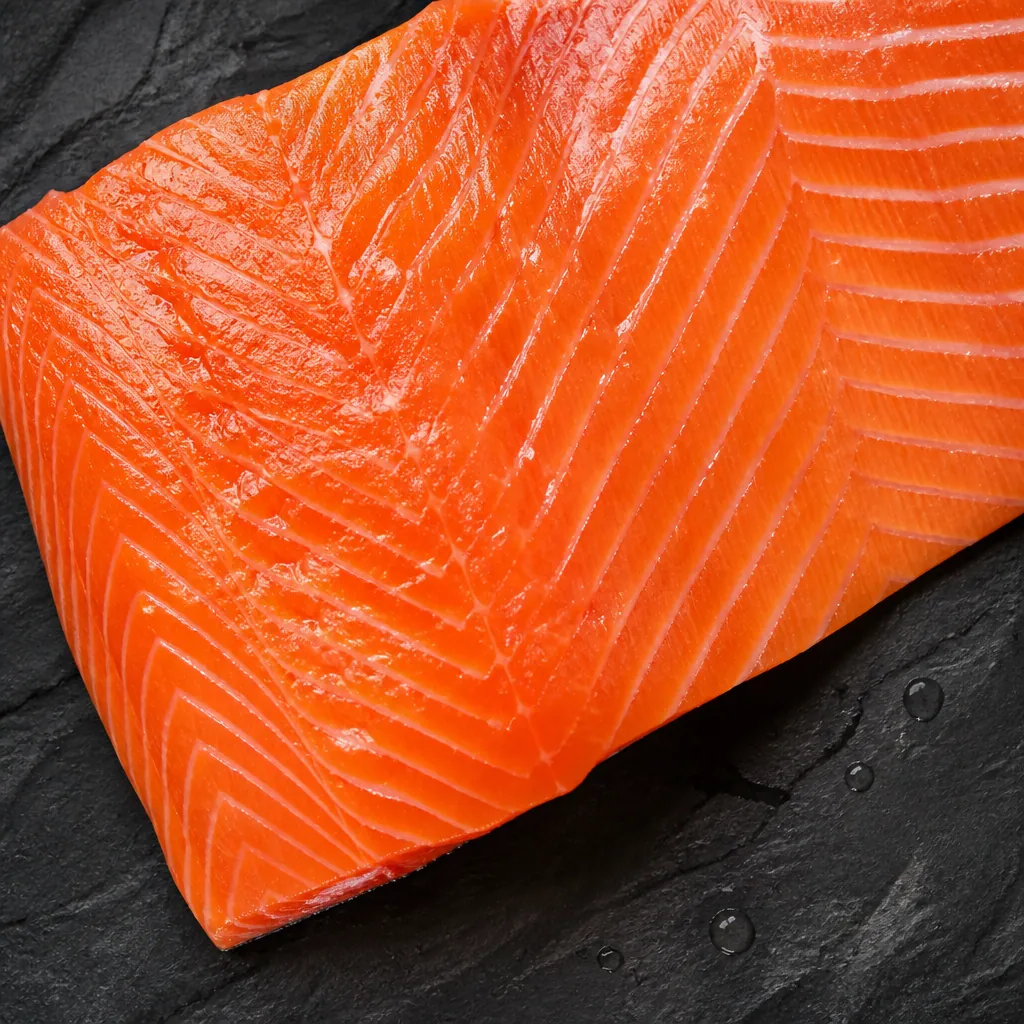
Most people know whether they enjoyed a sushi meal. Far fewer can explain why. The answer almost always comes back to one thing: fresh sushi fish. Not the sauce, not the ambiance, not even the rice, though all of those matter. The fish is the foundation, and when it’s sourced, handled, and prepared with real care, a single slice of tuna or salmon can be genuinely transformative. When it isn’t, no amount of presentation can save the plate. Understanding what separates outstanding sushi from forgettable sushi starts long before the fish reaches the cutting board.
Table of Contents
- Quick Takeaways
- What “Sushi Grade” Really Means
- The Supply Chain: Ocean to Cutting Board
- How to Read Freshness with Your Senses
- The Fish That Define a Great Sushi Menu
- Fresh vs. Properly Frozen: Clearing Up the Confusion
- What Separates an Authentic Sushi Restaurant from a Mediocre One
- Comparing Approaches to Sushi Fish Quality
- Frequently Asked Questions
- References
Quick Takeaways
| Key Insight | Explanation |
|---|---|
| “Sushi grade” is not a regulated government label | No official standard defines the term. Quality depends on sourcing practices, handling, and freezing protocols, not a sticker on a package. |
| Fresh fish has a clean, mild ocean scent | A strong, sour, or ammonia-like smell is a clear sign of deterioration. Genuine freshness smells like the sea, not a fish market at closing time. |
| Proper freezing is a quality step, not a shortcut | FDA guidelines require most raw fish to be frozen before serving to destroy parasites. A quality restaurant follows this exactly, then thaws carefully. |
| Texture reveals handling quality as much as freshness | Sashimi-grade fish should be firm and spring back when gently pressed. Sliminess or unusual softness signals poor handling or bacterial growth. |
| The knife work tells you everything about the chef | Clean, precise cuts require a sharp knife and a skilled hand. Jagged edges or uneven slices indicate rushed preparation or poor technique. |
| Tuna is naturally more parasite-resistant than most fish | Species like bluefin, yellowfin, and bigeye tuna are safer to serve raw with minimal processing. Salmon, by contrast, almost always requires proper freezing. |
| A restaurant’s smell tells you its sourcing standard | A quality sushi bar should not smell strongly of fish. A heavy, lingering fishy odor in the dining room is a reliable sign of older, lower-quality inventory. |
What “Sushi Grade” Really Means
Walk into any grocery store and you will likely see packages of fish labeled “sushi grade” or “sashimi grade.” Those labels carry real marketing weight, but they do not carry a legal definition. There is no official government standard that categorically defines what makes seafood sushi grade. The term exists in a regulatory gray area, which means it can be used by any seller to describe virtually any fish.
What actually matters is how the fish was handled after it left the water. Sashimi-grade fish earns that description through specific sourcing practices, rapid chilling immediately after catch, controlled temperature during transport, and adherence to parasite-destruction protocols before raw consumption. A label alone guarantees nothing. A known, trusted supply chain guarantees a great deal.
The U.S. Food and Drug Administration does provide clear requirements for fish served raw. Most species must undergo a specific freezing process to destroy parasites before they are consumed uncooked. That process is not optional for a restaurant operating responsibly, and a quality sushi establishment treats those protocols as a baseline, not a ceiling.
Pro tip: When evaluating a new sushi restaurant, ask the server where the restaurant sources its fish. A confident, specific answer, such as a named supplier or a direct relationship with a fish market, is a strong signal of genuine commitment to quality.
The Supply Chain: Ocean to Cutting Board
The journey of sushi fish from ocean to plate is where quality is either protected or destroyed. Every step matters, and a weak link anywhere in the chain can compromise a fish that started out perfect.
Catch and Immediate Chilling
Quality starts at the source. Reputable seafood suppliers super-chill fish immediately after it is caught, dropping the temperature to just above freezing as fast as possible. This slows bacterial growth dramatically and locks in the texture and aroma that define premium sushi fish. Fish that sits at ambient temperature for even a few extra hours after catching begins its decline.
Transport and Temperature Control
Cold chain integrity during transport is non-negotiable. Fish that experiences temperature fluctuations during transit will degrade in texture even if it looks acceptable on arrival. Serious sushi restaurants work with distributors who maintain strict cold chain documentation and deliver on tight schedules, often multiple times per week, to ensure turnover stays high and product stays fresh.
In-Restaurant Handling
Once fish arrives at the restaurant, how it is stored and prepared determines everything about what reaches your plate. Proper storage means maintaining precise refrigeration temperatures, using clean and dry utensils, and minimizing the amount of handling the fish receives before it is cut. Every unnecessary touch is an opportunity for contamination and quality loss.
The quality of sushi is determined not by a single moment, but by the entire chain of decisions made between the ocean and the plate. A skilled chef can only work with what arrives at the cutting board.
How to Read Freshness with Your Senses
You do not need professional training to identify high-quality sushi fish. Your senses, properly directed, are reliable tools. The challenge is knowing exactly what you are looking for, because the differences between good and mediocre fish are often subtle until you know what normal looks and smells like.
Smell: The First and Most Honest Signal
Fresh sushi fish should have a clean, mild oceanic aroma, comparable to the smell of salt air near the water. A pungent, sour, or ammonia-like smell is a clear indicator that the fish has deteriorated. A quality sushi restaurant will not have a heavy fishy smell in the dining room. If you notice that smell when you walk in, it is worth paying attention.
Color: Vibrancy Signals Vitality
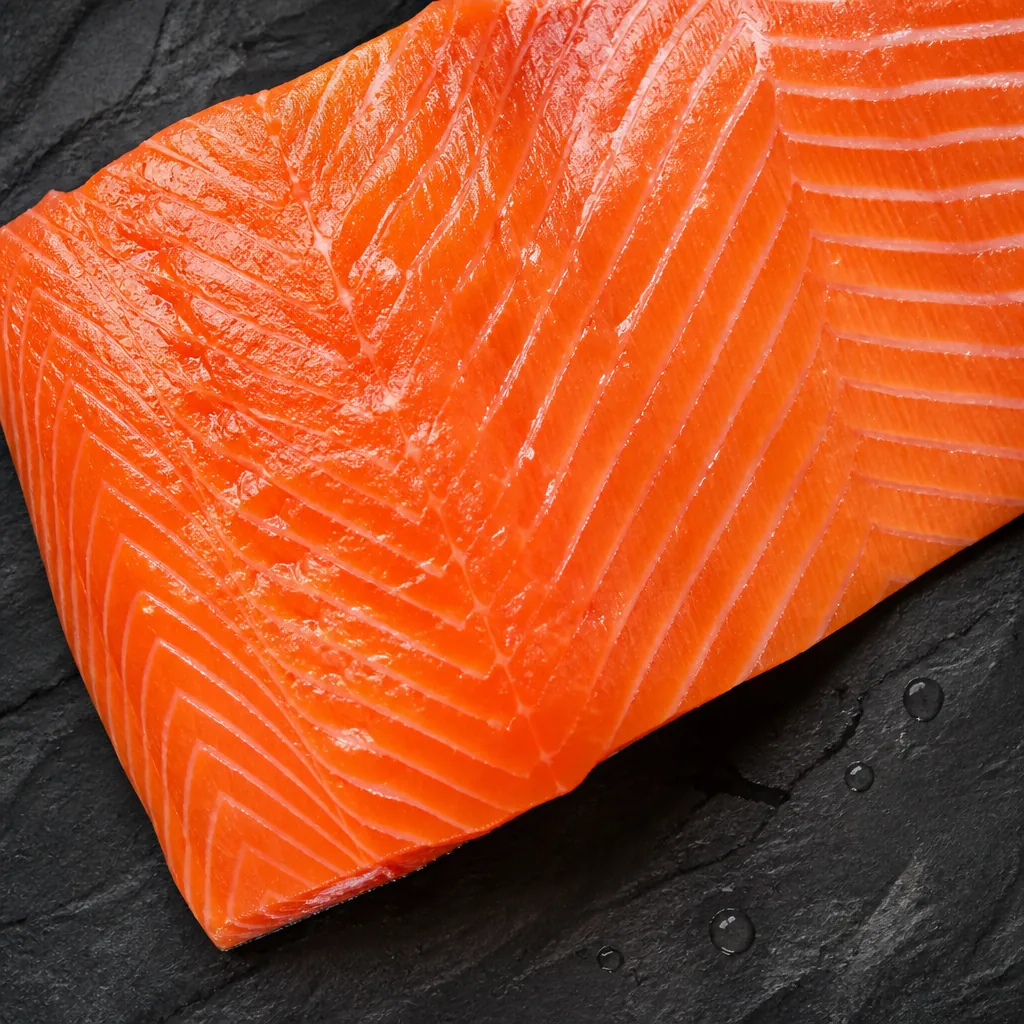
Each species has a signature color that signals freshness. Tuna should present a deep, rich red. Salmon should appear bright orange-pink, not dull or faded. Yellowtail carries a pale, clean ivory-yellow tone. Fish that appears grey, dried at the edges, or inconsistently colored has likely been stored too long. Vibrant color is not decoration; it is evidence of cellular integrity.
Texture: Firmness Is Non-Negotiable
Sashimi-grade fish should be smooth and slightly firm to the touch. When pressed gently, it should spring back rather than leave an indentation. Sliminess, stickiness, or mushiness are signs of bacterial activity and should be treated as disqualifying. In nigiri and sashimi, where the fish is served without heavy accompaniments, poor texture has nowhere to hide.
Pro tip: If you order sashimi and it is served very cold, give it a minute at room temperature before eating. If an unpleasant smell develops as it warms slightly, that is important information about its freshness.
The Fish That Define a Great Sushi Menu
Not all fish carry the same risk profile or quality expectations when served raw. Understanding which species belong on a serious sushi menu, and why, is part of what separates a knowledgeable diner from a casual one.
Tuna: The Standard-Bearer
Tuna is widely considered the benchmark of sushi quality. Species such as bluefin, yellowfin, bigeye, albacore, and skipjack are all common on sushi menus. Tuna is also notably resistant to parasites, which makes it one of the few fish that can be served raw with minimal processing risk. The prized fatty belly cut, known as toro, is associated with luxury sushi experiences and commands the highest quality standards from sourcing to plating.
Salmon: Popular, but Requiring Careful Handling
Salmon has become one of the most globally recognized sushi fish, celebrated for its buttery texture and rich flavor. However, wild salmon spends part of its life in fresh water, where parasite risk is elevated. For this reason, farmed salmon raised on controlled, parasite-free diets is the standard choice for raw preparation in responsible sushi restaurants. Regardless of source, salmon served as sushi or sashimi should always have undergone proper freezing protocols.
Yellowtail (Hamachi): Versatile and Delicate
Yellowtail, listed on Japanese menus as hamachi, offers a mildly sweet flavor and a soft, clean texture that makes it exceptionally versatile in both nigiri and sashimi preparations. The best yellowtail, referred to in Japan as “buri,” is particularly prized during winter months when the fish carries more fat. It is a good indicator of a restaurant’s sourcing commitment because it requires careful handling to maintain its delicate flavor profile.
Other Worthy Species
Halibut (hirame in Japanese), snapper, and certain shellfish such as scallops and shrimp round out a well-considered sushi menu. Each species demands its own handling standards and freshness criteria. A sushi menu that rotates seasonal fish reflects a kitchen that is paying attention to availability and peak quality, not just consistency for its own sake.
Fresh vs. Properly Frozen: Clearing Up the Confusion
One of the most persistent misconceptions about sushi quality is that “fresh” always means better than “frozen.” It does not. The distinction that actually matters is not whether the fish was frozen, but whether it was handled correctly at every stage, including the freezing process.
Freshly caught fish that is mishandled, left at the wrong temperature, or transported without proper cold chain management will always be inferior to fish that was caught, immediately handled with care, frozen precisely to destroy parasites, and then thawed properly before service. The process is what creates safety and quality, not the fresh-versus-frozen label.
The FDA Food Code requires fish served raw or undercooked to be frozen for parasite destruction. This applies to sushi in restaurants, bars, and retail food stores. The approved approaches include freezing at -4°F or below for a minimum of seven days, or freezing at -31°F or below until solid and then storing at that temperature for at least 15 hours. Many high-end sushi restaurants use precisely this approach with top-quality fish and achieve exceptional results.
The honest answer is that some of the finest sushi served in serious Japanese restaurants uses fish that was carefully frozen, because the alternative, serving completely unprocessed wild fish, carries genuine parasite risk that no responsible operator should ignore.
What Separates an Authentic Sushi Restaurant from a Mediocre One
Fish quality accounts for much of the difference between a memorable sushi meal and a forgettable one, but it does not operate in isolation. The hallmarks of a genuinely authentic sushi restaurant show up across several interrelated factors.
The Sushi Chef’s Knife Work
Observe how the chef handles the fish. Clean, precise cuts require a sharp knife and a trained hand. Jagged edges, uneven thickness, or torn flesh are signs of either poor knife maintenance or insufficient skill. Presentation in sushi is not vanity. The angle and thickness of each cut directly affects how the fish tastes, because it changes how it interacts with the rice and how quickly it releases flavor on the palate.
Sourcing Transparency and Turnover
A restaurant that goes through high volume with fresh deliveries several times per week will always outperform one that stocks up once a week and serves diminishing-quality fish as the days pass. High turnover is a sign of a busy, well-regarded kitchen. Sourcing transparency, knowing where the fish comes from and being able to say so, is a sign of confidence in the supply.
The Rice Beneath the Fish
Sushi rice that is over-seasoned, under-vinegared, too cold, or improperly packed will undercut even exceptional fish. The relationship between the rice and the fish is supposed to be complementary. When the rice is right, it supports the fish without competing with it. This is why serious sushi chefs treat rice preparation with the same attention they give to the fish itself.
At Zen Ramen and Sushi, the commitment to those complementary relationships, from careful fish selection to precise preparation, is what makes each piece of nigiri or sashimi worth ordering. Guests who come in through a friend’s recommendation usually find that the quality lives up to the word-of-mouth.
Comparing Approaches to Sushi Fish Quality
| Approach | What It Means in Practice | Quality Outcome |
|---|---|---|
| Direct supplier relationship with frequent delivery | Restaurant works with a named fishmonger or distributor and receives multiple deliveries per week. Staff can describe the source on request. | Consistently fresh inventory, minimal age on the fish, high confidence in handling standards throughout the supply chain. |
| Proper freeze-and-thaw protocol for all applicable species | Fish is frozen according to FDA parasite-destruction guidelines, then thawed carefully under refrigeration before service. Chef knows which species require this step. | Safe for raw consumption, texturally sound when thawed correctly. Often indistinguishable in quality from never-frozen fish when handled well. |
| Generic bulk purchasing with infrequent delivery | Fish is ordered in large quantities, stored for extended periods, and used across a longer service window to reduce food cost. | Declining quality as the week progresses. Increased risk of serving fish that has degraded in texture, color, and aroma even if technically within safety limits. |
Frequently Asked Questions
What does “sashimi grade” actually mean?
Sashimi grade is not a government-regulated term. It describes fish that a supplier or restaurant considers safe and of sufficient quality to eat raw, based on sourcing, handling, and freezing practices. Because there is no official standard, the term is only as meaningful as the reputation and practices of the business using it. When a quality sushi restaurant uses it, they are communicating that the fish has met their internal protocols for raw consumption.
How can I tell if sushi fish is fresh when I am at a restaurant?
Use your senses. Fresh fish should have a clean, mild ocean-like aroma, not a strong or sour smell. The color should be vibrant: deep red for tuna, bright orange-pink for salmon, and pale ivory for yellowtail. The texture, where you can observe it in the cut pieces, should look clean and firm rather than mushy or torn. The restaurant itself should not smell heavily of fish when you walk in.
Is frozen sushi fish lower quality than fresh?
Not necessarily. Properly frozen fish, handled according to FDA parasite-destruction guidelines, can be just as good as never-frozen fish when it is sourced well, frozen immediately after catch, and thawed correctly. Many top-tier sushi restaurants use carefully frozen fish, especially for salmon, because it is also the safer and more responsible choice. The quality difference between “fresh” and “properly frozen” is often undetectable when both are handled correctly.
Why is tuna so commonly recommended for sushi?
Tuna is naturally resistant to parasites, which makes it one of the safest fish to serve raw with minimal processing requirements. Its firm, meaty texture and rich flavor also hold up particularly well in both nigiri and sashimi preparations. Varieties like bluefin, yellowfin, and bigeye are among the most prized in Japanese cuisine, and the fatty toro cut from the belly is considered a premium offering at any serious sushi restaurant.
What should I look for in a sushi restaurant to know the fish quality is high?
Look for a few specific signals. The dining room should not smell strongly of fish. The chef’s knife work should produce clean, even cuts. The menu should include seasonal fish or specials that change with availability, which suggests the kitchen is buying based on what is best at the moment rather than keeping a static inventory. Staff should be able to describe where the fish comes from. And the fish itself, when served, should taste clean and vibrant, not sour, flat, or overpowering.
Does the type of rice used in sushi affect the overall quality?
Yes, significantly. Sushi rice that is too cold, improperly seasoned, or packed too tightly will disrupt the balance between rice and fish that defines good sushi. Quality sushi rice should be warm, lightly vinegared, and hold together without being dense. When the rice is right, it elevates the fish. When it is wrong, even excellent fish cannot fully compensate. It is one of the most overlooked quality indicators in a sushi restaurant.
Have you noticed a difference in sushi quality at different restaurants, and what gave it away for you? Share your experience in the comments below.
References
- Understanding what sushi grade fish means for restaurants and food service operators
- How to identify sushi grade seafood using freshness, sourcing, and handling standards
- Sensory guide to evaluating whether sushi fish is fresh before preparation
- What sushi grade fish means, FDA parasite destruction rules, and species-by-species guidance
- Why properly frozen fish can match or exceed never-frozen fish in a quality sushi setting