
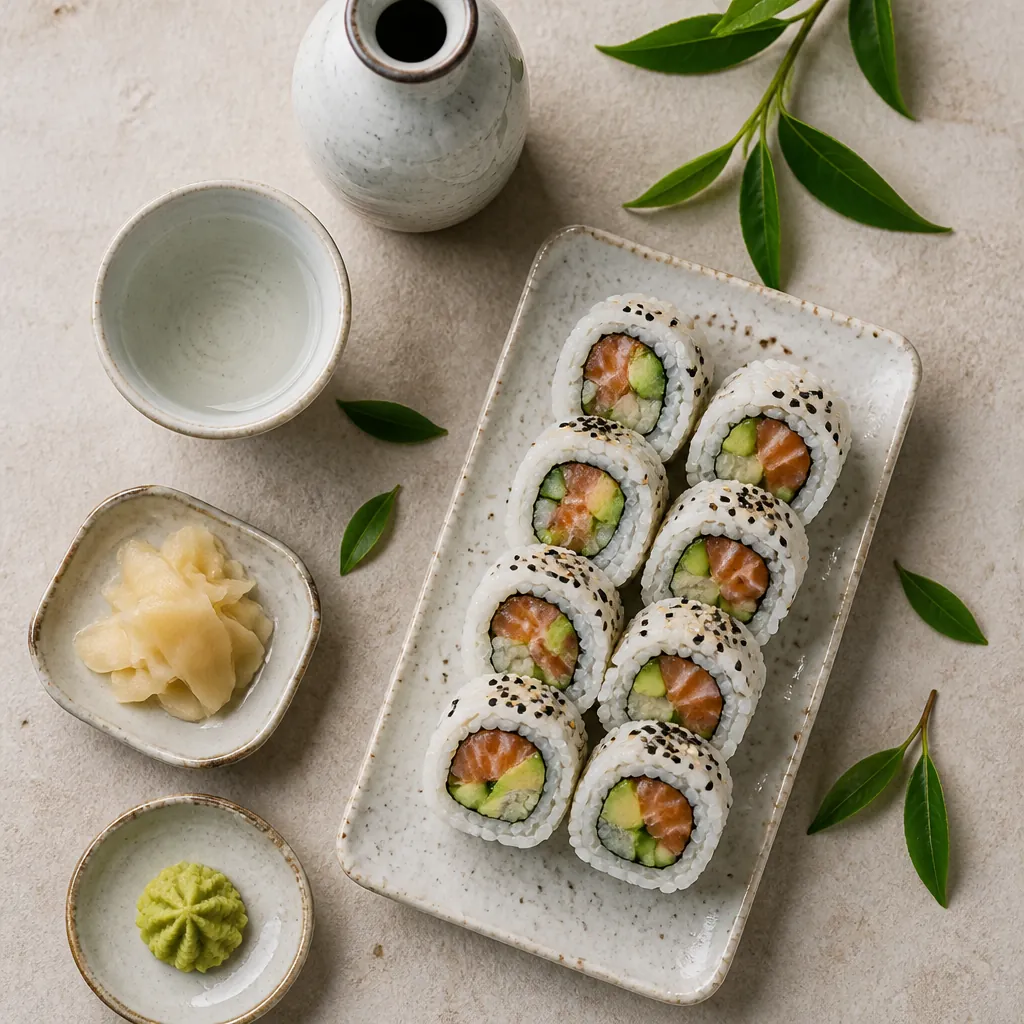
Most people sit down for sushi, glance at the drink menu, and default to water or whatever beer is on tap. That is a missed opportunity. Sushi drink pairing is one of the simplest ways to transform a good meal into a genuinely memorable one, yet it gets almost no attention compared to the food itself. The right drink does not just quench thirst. It resets your palate between pieces, softens the intensity of rich fish, and draws out flavors in the rice and nori that you would otherwise miss entirely. Whether you are reaching for sake, green tea, or sparkling water, the logic behind each pairing is practical and learnable. This guide walks you through exactly what works, what does not, and why, so your next visit to Zen Ramen and Sushi is the best one yet.
Table of Contents
- Quick Takeaways
- Why Your Drink Choice Matters With Sushi
- Sake and Sushi: The Traditional Pairing Explained
- Green Tea With Sushi: The Palate Cleanser That Earns Its Place
- Sparkling Water: The Underrated Choice
- Drink Pairing Comparison Table
- Beyond the Big Three: Other Japanese Restaurant Drinks Worth Trying
- Frequently Asked Questions
- References
Quick Takeaways
| Key Insight | Explanation |
|---|---|
| Junmai sake is the safest starting point | Its dry, clean profile complements the natural sweetness of sushi rice without competing with delicate fish flavors. |
| Premium sake is almost always served chilled | Contrary to common assumption, most high-grade sakes like Junmai Ginjo and Daiginjo are best served cold to preserve their aromatic qualities. |
| Green tea in sushi restaurants is usually konacha, not sencha | Konacha is a bold, slightly astringent powdered tea made from tea dust and small leaves. Its intensity makes it an effective palate cleanser between sushi pieces. |
| Sparkling water neutralizes without interfering | The carbonation cuts through the fat in salmon or tuna nigiri and resets the palate, while the neutral flavor lets each piece of sushi speak for itself. |
| Match drink intensity to fish intensity | Light fish like sea bream or flounder calls for a delicate Junmai Ginjo or mild green tea. Richer cuts like tuna or salmon can handle fuller-bodied sake or genmaicha. |
| Genmaicha pairs well with heartier rolls | Its roasted rice and nutty undertones complement eel, tempura rolls, and richer preparations better than a lighter sencha would. |
| The goal is always balance, not domination | The drink should enhance what is in the sushi, never overpower it. If you can still taste the fish clearly after a sip, the pairing is working. |
Why Your Drink Choice Matters With Sushi
Sushi has five distinct flavor dimensions that a drink can either support or undermine. There is umami, which is the savory depth found in soy sauce, seaweed, tuna, and salmon. There is the subtle sweetness of seasoned sushi rice and glazed eel. There is acidity from the rice vinegar. There is the clean oceanic quality of fresh fish. And there is fat, particularly in premium cuts like toro or salmon belly.
A drink that ignores these layers will flatten the experience. A drink that responds to them makes each piece more interesting. The principle is straightforward: the beverage should either cleanse the palate (reset it between bites), complement the flavor (find harmony with the fish and rice), or contrast the texture (cut through fat or richness to bring balance). Every good sushi drink pairing does at least one of these things well.
A common mistake is ordering something sweet or heavy, like a sugary cocktail or a full-bodied red wine. Both will compete with and eventually mute the delicate qualities of good sushi. The same logic applies to overly bitter, high-tannin drinks. The best pairings tend to be clean, light, and either dry or subtly aromatic.
The overarching goal is balance: the drink should enhance the sushi, not compete with it.
Sake and Sushi: The Traditional Pairing Explained
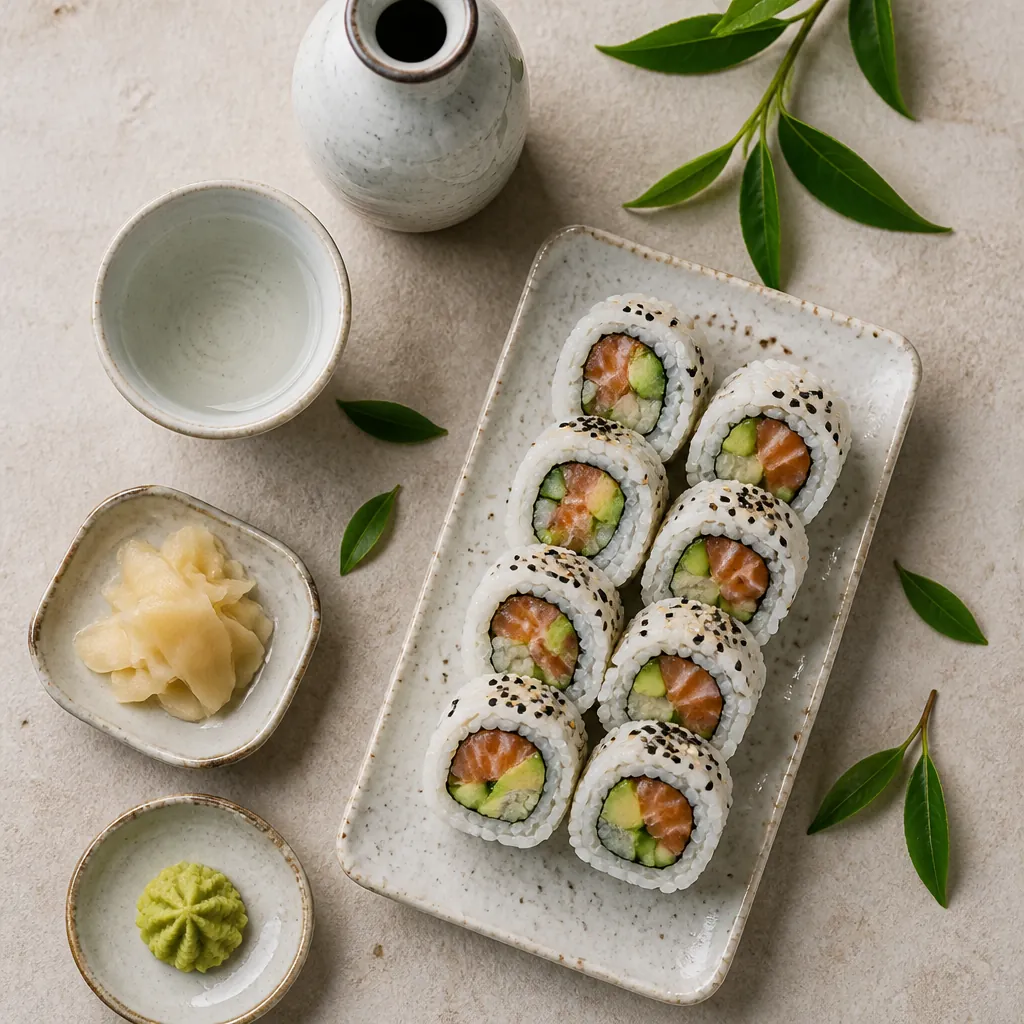
Sake and sushi share the same foundational ingredient: rice. That common base creates a natural affinity between the two, and it is the reason this pairing has persisted for centuries in Japanese culinary tradition. But not all sake works equally well with all sushi, and understanding the basic types will immediately sharpen your choices.
The Main Sake Types and What They Pair With
Junmai is a pure rice sake with no added distilled alcohol. It tends to be rich, full-bodied, and umami-forward. It pairs well with sashimi and nigiri featuring stronger-tasting fish, and it is versatile enough to serve warm, which makes it well suited to cooler evenings or heartier preparations.
Junmai Ginjo is polished to at least 60%, which produces a lighter, smoother drink with subtle floral and fruity notes. It is one of the most food-friendly sake styles for sushi specifically. For lighter fish such as sea bream, sea bass, or scallops, a crisp Junmai Ginjo works beautifully. It also pairs well with simple cucumber rolls or vegetable-based preparations.
Junmai Daiginjo is polished to 50% or less, making it the most refined and fragrant category. It has a delicate, fruity, almost elegant character that pairs best with white fish like hirame or tai. Avoid pairing it with rich, oily, or heavily sauced preparations because those flavors will overwhelm it.
A Note on Serving Temperature
Contrary to a widespread assumption, most premium sakes are best enjoyed lightly chilled. Serving a Junmai Ginjo or Daiginjo warm will deaden their aromatic qualities. Reserve warm sake for Junmai or Honjozo styles, where heat draws out deeper, earthier flavors that can actually enhance a heartier meal. For lighter sushi, always ask for your sake chilled.
Pro tip: When ordering sake at Zen Ramen and Sushi for the first time, start with a Junmai Ginjo served cold alongside a nigiri flight. It bridges the gap between accessible and interesting without requiring any prior sake knowledge.
Green Tea With Sushi: The Palate Cleanser That Earns Its Place
Green tea with sushi is not just tradition for tradition’s sake. It is functional. The heat and slight bitterness of a good green tea wash away fish oils from the palate, specifically the fat left behind after a piece of fatty tuna or salmon, and prepare your tongue for the next piece. This is why sushi restaurants around the world have served it for free for decades.
What You Are Actually Drinking: Konacha vs. Sencha
The green tea served at most sushi restaurants is called konacha, known in the trade as “agari.” It is made from the dust, tea buds, and small leaves left behind after processing higher-grade teas like gyokuro or sencha. Despite its humble origins, konacha has a bold, robust flavor with a slight astringency and umami-rich taste that makes it unusually effective at cutting through fish oils and resetting the palate.
Sencha, by contrast, has a brighter, slightly grassy flavor that complements lighter rolls and nigiri with a more delicate touch. If green tea with sushi is something you genuinely enjoy as a drink rather than just a palate cleanser, sencha is the more nuanced choice.
Matching Tea Type to Sushi Type
Sencha works well with lighter preparations like cucumber rolls, lightly seasoned nigiri, and mild white fish. Genmaicha, a green tea infused with roasted rice, adds a nutty undertone that pairs beautifully with eel or tempura rolls. Its roasted character holds up to stronger flavors without disappearing into the background. For particularly delicate sushi, some diners prefer jasmine or white tea, which harmonizes with mild, fresh fish by emphasizing subtle sweetness.
Pro tip: If you find the konacha at a sushi restaurant too intense, ask for it slightly cooler than boiling. At a lower temperature, the bitterness softens and the umami notes come forward, making it more pleasant as a sipping tea between pieces.
Sparkling Water: The Underrated Choice
Sparkling water is the most underrated option on this list, and it is the right answer for anyone who wants their drink to get out of the way and let the sushi do the talking. Its neutral flavor profile allows the natural tastes of fresh fish, rice, and seaweed to come through completely uninterrupted.
The carbonation earns its place in a specific way. The bubbles cut through the rich, fatty components of sushi, particularly salmon and tuna, and provide a refreshing contrast that neither sake nor green tea quite matches in terms of sheer refreshing neutrality. Between a piece of salmon belly and a piece of lighter white fish, a few sips of sparkling water is genuinely the fastest way to fully reset your sense of taste.
For anyone who does not drink alcohol and finds plain water flat in a dining context, sparkling water with a light citrus element, like a slice of yuzu or lemon, adds a subtle zesty note that actually complements the savory quality of sushi rolls without introducing any flavor that competes. Keep it lightly flavored. Heavy citrus or sweetened versions defeat the purpose.
Drink Pairing Comparison Table
Here is a direct side-by-side comparison of the three main sushi drink pairing choices, covering the scenarios where each one actually performs best.
| Drink | Best Sushi Pairing | Key Function at the Table |
|---|---|---|
| Sake (Junmai Ginjo, chilled) | Light nigiri, sashimi (white fish, scallops, sea bream), simple rolls | Complements umami and rice sweetness; adds aromatic complexity to the meal |
| Green Tea (Konacha or Sencha) | All sushi types; especially effective with fatty fish like toro or salmon | Strips fish oil from the palate; resets taste between pieces; adds warmth and depth |
| Sparkling Water (plain or lightly citrus-infused) | Any sushi; ideal when drinking alcohol is not preferred or when tasting a large variety | Neutral cleanse; carbonation cuts fat; lets every piece of sushi be tasted on its own terms |
Beyond the Big Three: Other Japanese Restaurant Drinks Worth Trying
The sake, green tea, and sparkling water conversation covers most situations, but Japanese restaurant drinks have expanded well beyond that list. Knowing a few additional options gives you more flexibility depending on the occasion.
Japanese Beer
Light Japanese lagers are a genuinely good match for sushi. Their subtle bitterness enhances the soft, sweet notes of fresh seafood without overpowering them. They work especially well with rolls that include tempura, spicy sauce, or avocado, where a little more carbonation and bitterness helps balance the richness. The key word is light. A heavy craft IPA will fight every flavor in your sushi.
Sparkling Sake
Sparkling sake combines the effervescence of carbonation with the rice-based affinity of traditional sake. It is particularly well matched with lighter sushi varieties like cucumber rolls or simple nigiri. If you enjoy the concept of sake but find still sake too intense or unfamiliar, sparkling sake is a natural bridge.
Kombucha
Kombucha’s tangy effervescence can cut through the richness of sushi in a similar way to sparkling water, while also contributing a mild, fermented complexity that complements umami flavors. It is a strong non-alcoholic option for anyone who wants something with more character than plain sparkling water but without the alcohol.
What to Avoid
Sweet cocktails, full-bodied red wines, and heavily flavored drinks are the consistent problem cases. They coat the palate rather than clear it, and their dominant flavors will override the subtle qualities that make good sushi worth eating carefully. If you want a cocktail at a Japanese restaurant, a simple Japanese whisky highball, made with whisky, sparkling water, and ice, is one of the few cocktail formats light enough to work alongside sushi without causing flavor interference.
Frequently Asked Questions
What is the best drink for someone new to sake?
Start with a Junmai Ginjo served chilled. It is smooth, slightly floral, and approachable without being sweet or heavy. It pairs naturally with most sushi because its rice base aligns with the sushi rice, and it does not require any background knowledge to enjoy. Ask your server at Zen Ramen and Sushi to recommend a specific bottle if you are uncertain.
Is warm sake or cold sake better with sushi?
Cold sake is almost always the better choice for sushi. Premium grades like Junmai Ginjo and Daiginjo lose their delicate aromatic qualities when heated. Warm sake is better suited to earthier, more full-bodied styles like basic Junmai or Honjozo, and to heavier food rather than delicate raw fish preparations.
Why do sushi restaurants serve hot green tea for free?
The tea served at sushi restaurants, typically konacha, is served hot because the heat helps it strip fish oils from the palate more effectively. It is designed to function as a palate cleanser between pieces, not as a luxury beverage. Its bold, slightly astringent flavor is specifically suited to cutting through the richness of fatty fish and resetting your sense of taste for the next piece.
Can I drink sparkling water instead of sake with sushi?
Absolutely, and it is one of the best non-alcoholic choices at a sushi restaurant. The carbonation cuts through fat in richer fish, the neutral flavor lets every piece of sushi be experienced cleanly, and it works across every item on the menu without any mismatch risk. Adding a small amount of citrus like yuzu or lemon gives it a bit more interest without introducing any competing flavor.
What drink pairs best with spicy tuna rolls or rolls with rich sauces?
For spicy or sauced rolls, you need something with a bit more body or carbonation to cut through the heat and fat. Cold Japanese beer or sparkling sake both work well here. A Junmai sake, which is fuller-bodied than Ginjo grades, also handles bolder flavors without being overwhelmed. Avoid delicate Daiginjo sake with spicy preparations as its subtlety will be completely lost against strong seasoning.
Does green tea type actually matter, or is any green tea fine with sushi?
The type does matter in practice. Konacha, the powdered tea most sushi restaurants serve, is bold and effective as a palate cleanser. Genmaicha, with its roasted rice content, works better alongside eel and tempura rolls. Sencha has a brighter, grassier character suited to lighter rolls and nigiri. Matcha is generally too intense and vegetal to work well as a sushi accompaniment. Match the weight of the tea to the weight of the sushi.
Should I drink sake before or during the meal?
During the meal is ideal. Sake’s flavor profile, particularly the umami depth of Junmai styles, interacts directly with the fish and rice in the sushi and becomes more interesting with food than without it. Drinking sake before the food arrives means you are missing the best part of the pairing. Sip between pieces the same way you would use green tea, as a way to reset and refresh between bites.
If you have a go-to sushi drink pairing that works for you, or a combination at Zen Ramen and Sushi that surprised you, share it in the comments below.
References
- Guide to pairing sushi with green tea, sake, and non-alcoholic drinks
- Overview of the best drinks to enjoy with sushi, from sake to Japanese whisky
- Traditional sushi drink pairings including konacha green tea and Junmai sake
- Flavor-based guide to pairing sushi with sake, wine, and other drinks
- Breakdown of the best beverages to serve alongside sushi