
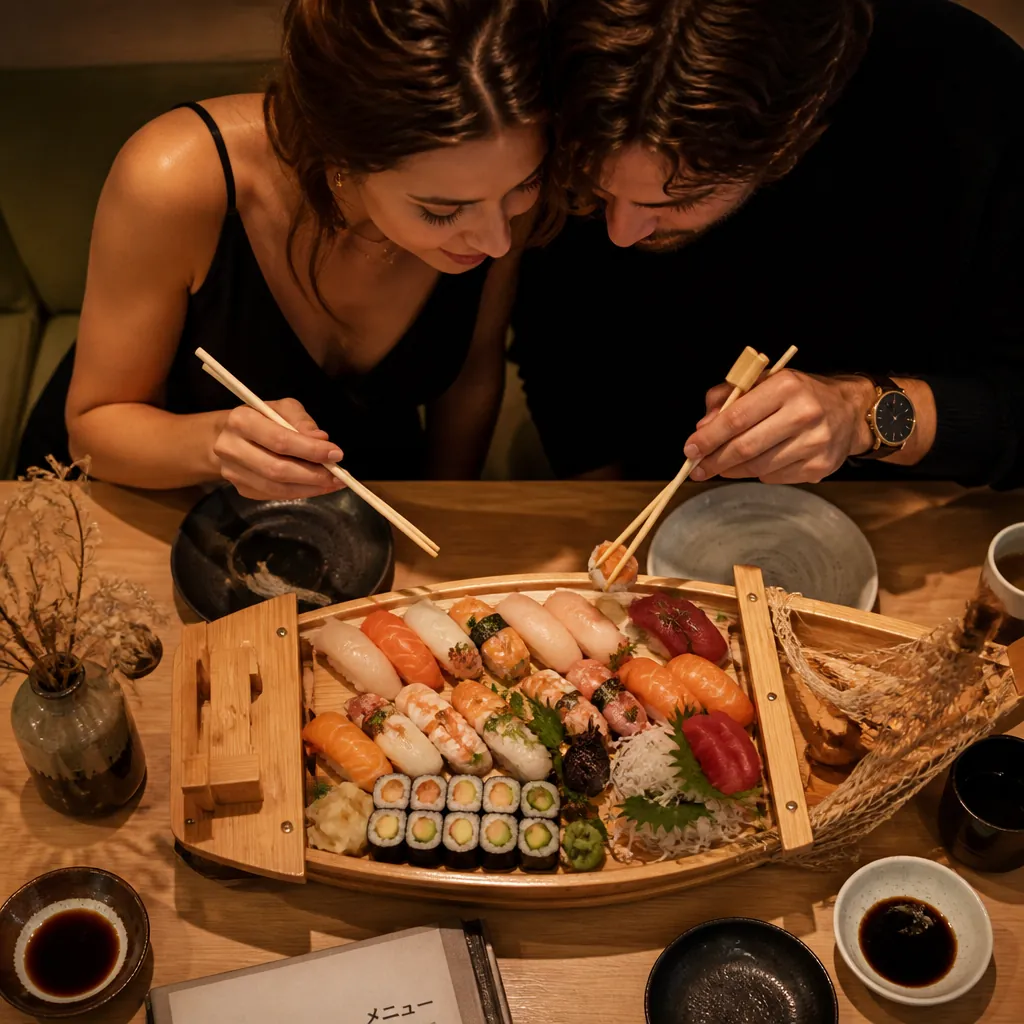
Most couples default to Italian or steakhouse dining when planning a romantic evening, and that predictability is exactly the problem. A Japanese restaurant date night offers something those options rarely deliver: a dining experience with built-in conversation starters, interactive rituals, and a genuine sense of occasion that does not require a Michelin star price tag. Research from the National Restaurant Association consistently shows that unique dining experiences drive higher satisfaction ratings than standard fine dining. If you and your partner are planning a night out, this guide makes the case for why a Japanese restaurant deserves the top spot on your list.
Table of Contents
- Quick Takeaways
- Why Japanese Restaurants Create Natural Romance
- The Sensory Experience That Sets the Mood
- Sushi Date Night Rituals That Build Connection
- Why Ramen Works Better Than You Think as a Date Food
- Comparison of Date Night Dining Styles
- Romantic Dinner Ideas at Zen Ramen and Sushi
- What to Order on a Japanese Date Night
- Frequently Asked Questions
- References
Quick Takeaways
| Key Insight | Explanation |
|---|---|
| Japanese dining is naturally intimate | Smaller portion formats like sushi encourage sharing and physical closeness, which research links to increased feelings of connection between partners. |
| The menu itself is a conversation tool | Unfamiliar ingredients and preparation styles give couples genuine talking points without forcing it, unlike overfamiliar menus at chain restaurants. |
| Omakase-style ordering removes decision fatigue | Letting a chef guide your meal eliminates the low-grade stress of over-ordering, keeping the focus on your companion rather than the menu. |
| Ramen is an underrated romantic food | A steaming bowl of tonkotsu or miso ramen signals warmth and comfort, emotions that psychologists associate with positive bonding experiences. |
| Japanese restaurant ambiance is typically understated | Minimalist decor and lower ambient noise compared to busy Italian or American restaurants make it easier to hold an actual conversation. |
| Sashimi sharing is naturally romantic | Passing plates and watching your partner try something new creates micro-moments of shared experience that anchor positive memories. |
| Price point allows for a fuller experience | Quality Japanese dining at a neighborhood restaurant lets couples order generously without bill anxiety ruining the evening’s mood. |
Why Japanese Restaurants Create Natural Romance
Japanese culture built the concept of omotenashi into its hospitality long before Western restaurants discovered the word. Omotenashi means anticipating a guest’s needs before they are voiced. In practice, this translates to attentive, unhurried service that makes both people at the table feel genuinely cared for rather than processed through a dining room turnover cycle.
That atmosphere matters more than most couples realize when planning a date. A 2022 study published by Cornell University’s Center for Hospitality Research found that perceived service attentiveness was one of the top three factors driving customer satisfaction in romantic dining contexts. Japanese restaurants consistently score high on this measure because attentiveness is a cultural value embedded in training, not just a sales technique.
The physical layout of many Japanese restaurants also works in your favor. Counter seating at a sushi bar, for example, places two people side by side rather than across a wide table, creating natural physical proximity. Booth seating in ramen-focused spaces tends toward cozier configurations than the cavernous banquettes you find in steakhouses. Neither detail is accidental.
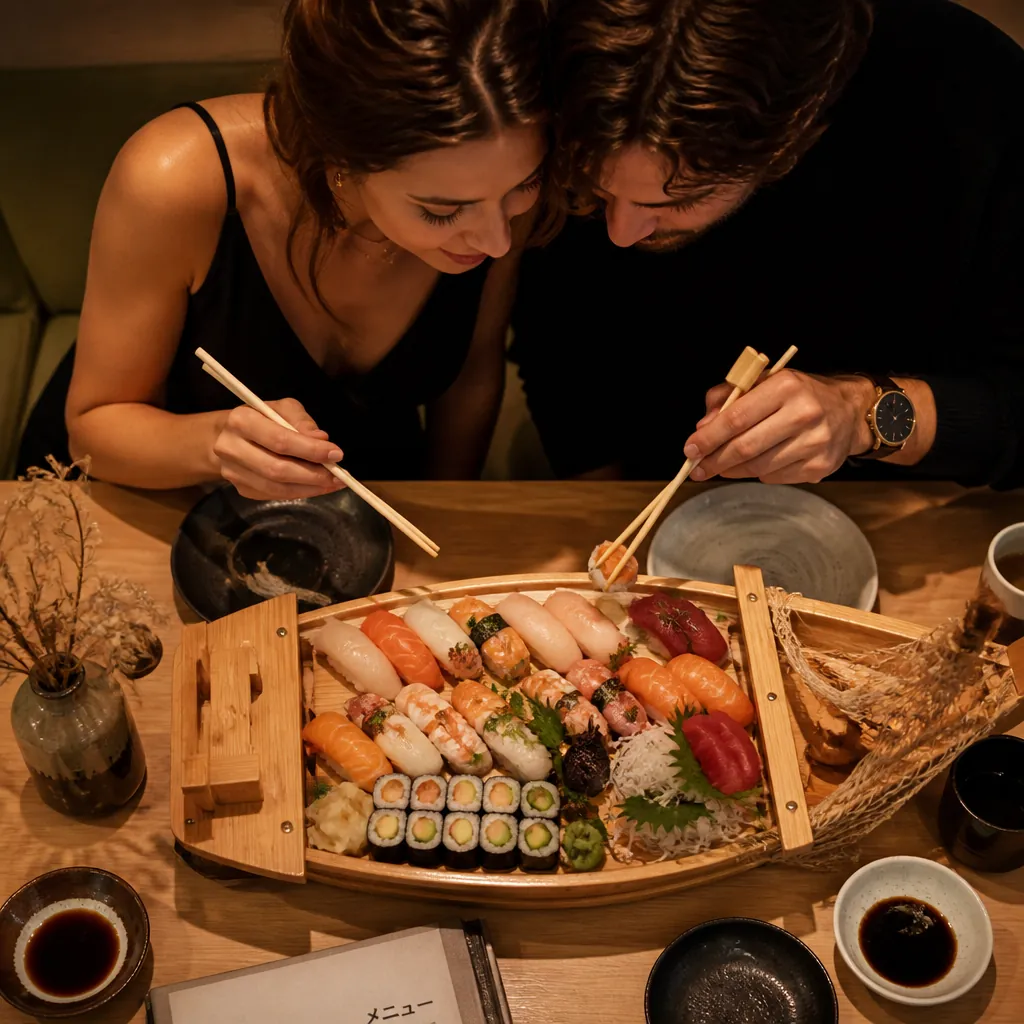
Pro tip: If you are booking a Japanese restaurant date night, request counter or bar seating at the sushi station rather than a standard table. The proximity and the live preparation happening in front of you creates an experience that a table in the middle of the dining room simply cannot match.
The Sensory Experience That Sets the Mood
A great date night is a multi-sensory event, and Japanese cuisine delivers on every dimension. The visual presentation of sushi alone, vivid slices of salmon and tuna arranged over seasoned rice, communicates care and craftsmanship before the first bite. Presentation psychology research consistently shows that visually appealing food increases subjective enjoyment of the overall meal by as much as 29 percent.
Beyond the visuals, the aromas in a well-run Japanese kitchen are subtle rather than overwhelming. The clean smell of fresh fish, the mild sweetness of miso broth simmering low, the faint char of a kitchen torch caramelizing a seared roll. These are smells that invite rather than dominate, which keeps the sensory focus on the food and the person across from you rather than the kitchen.
Texture as an Intimacy Builder
Japanese cuisine has a broader range of intentional textures than most Western cuisines. Silky sashimi, creamy spicy mayo, crunchy tempura flake, and chewy mochi create a progression that keeps both people at the table genuinely engaged. Eating becomes an activity rather than a background function, and that shared engagement is one of the most underrated drivers of romantic connection at dinner.
“Shared novel experiences activate the same neural reward pathways as early-stage romantic attraction. Introducing unfamiliar sensory experiences, including taste and texture, reinforces pair bonding in established couples.” – Dr. Arthur Aron, Psychology Professor, SUNY Stony Brook, cited in research on self-expansion theory and relationships.
This is exactly why romantic dinner ideas that involve trying something new together consistently outperform revisiting a familiar favorite restaurant. Japanese cuisine gives you novelty without requiring either person to feel adventurous to the point of anxiety.
Sushi Date Night Rituals That Build Connection
A sushi date night has built-in rituals that most couples do not consciously recognize but absolutely feel. Ordering together, discussing which rolls to try, sharing a single piece by breaking the nigiri between two sets of chopsticks, these small acts create a rhythm of collaboration that reinforces the sense of being a team.
The act of sharing plates is not trivial. A study from the University of Chicago found that people who eat from shared dishes report feeling more cooperative and connected with their dining companions than those eating individual plates. Sushi is the format that most naturally supports this behavior because the dishes arrive in smaller portions that practically require sharing.
Pacing That Respects the Evening
Sushi arrives in waves rather than all at once. A round of edamame and miso soup, then sashimi, then specialty rolls, then perhaps a light dessert. This progression gives the evening a natural rhythm that keeps the meal from feeling rushed or, conversely, stalled. It means the conversation has natural breaks and natural resumptions built into the structure of the meal itself.
Compare that to a steakhouse dinner where your 32-ounce ribeye arrives and demands your full attention for the next 20 minutes, or a pasta restaurant where everything lands simultaneously and goes cold while you talk. Japanese dining pacing is better designed for romance, even if nobody called it that when the traditions were established.
Pro tip: Start your sushi date night with a lighter course of sashimi before moving to rolls. The cleaner flavors at the start of the meal let you taste more across the evening, and it signals to your partner that you came to eat thoughtfully rather than rush through the menu.
Why Ramen Works Better Than You Think as a Date Food
Ramen has a reputation problem in some romantic dining conversations. People associate it with college dorm rooms and instant noodles, which could not be further from a properly made bowl of tonkotsu broth that has simmered for 18 hours. Authentic ramen at a quality Japanese restaurant is one of the most emotionally resonant foods you can share on a date.
The science behind this is straightforward. Warm, umami-rich foods trigger the release of serotonin, which is directly associated with feelings of comfort and well-being. A bowl of ramen delivers both the warmth and the umami in a single dish, creating a physiological response that predisposes both people at the table to feel good about the experience and about each other.
Ramen as a Conversation Piece
Most people have strong opinions about ramen once they have tried it beyond the instant version. Tonkotsu versus miso, soft-boiled egg or no egg, extra chashu or not. These preferences give couples genuine topics to explore. Asking your partner how they take their ramen is a low-stakes question that reveals something real about their tastes and personality, which is exactly what the best early-date or ongoing-relationship conversations do.
At Zen Ramen and Sushi, the ramen menu is designed to give couples genuine choice without overwhelming them. You can explore the menu together at Zen Ramen and Sushi’s full dining offerings before your visit so you arrive with a starting point rather than decision paralysis.
Comparison of Date Night Dining Styles
Not all romantic dinner experiences are built the same. Here is how a Japanese restaurant date night compares directly to two common alternatives couples consider when planning an evening out.
| Dining Style | Strengths for a Date Night | Weaknesses for a Date Night |
|---|---|---|
| Japanese Restaurant (Sushi and Ramen) | Shared plates build connection; paced meal structure supports conversation; quieter ambiance; visually striking presentation; wide price range options | Chopstick confidence may vary; some partners are unfamiliar with raw fish options |
| Italian Restaurant | Familiar comfort food; broad menu appeal; wine pairing culture is established | Heavier dishes can cause fatigue mid-meal; louder ambient noise is common; menu offers less novelty for repeat visitors |
| Steakhouse | Perceived as upscale; strong wine list culture; clear premium experience signal | High price point creates expectation pressure; large individual portions discourage sharing; meal pacing is often binary: waiting then eating |
The comparison is not meant to dismiss Italian or steakhouse dining entirely. The point is that Japanese restaurant dining has structural advantages for romantic evenings that are often overlooked because the format is less familiar to couples who grew up eating Western cuisine.
Romantic Dinner Ideas at Zen Ramen and Sushi
If you are planning a date night and someone in your circle has pointed you toward Zen Ramen and Sushi, that referral comes with good reason. Neighborhood Japanese restaurants with a genuine commitment to quality occupy a specific and valuable niche: they offer the occasion-worthy experience of a specialty restaurant without the performance anxiety that a fine dining venue can create for couples who just want to enjoy themselves.
A practical structure for a romantic dinner at Zen Ramen and Sushi is to open with a shared appetizer round, edamame, gyoza, or miso soup, followed by a selection of sashimi or nigiri split between you, and then each ordering your own ramen or a specialty roll to anchor the main course. This structure gives the evening a clear three-act rhythm without requiring any planning expertise.
Making the Reservation Work for You
When making your reservation, mention that it is a date night. Any quality Japanese restaurant will note this and ensure your table is not in the highest-traffic section of the dining room. Smaller details like this, quiet seating, a little extra time between courses, are the difference between a good dinner and a genuinely memorable evening.
Zen Ramen and Sushi is positioned well for couples who were referred by a friend because the restaurant delivers a consistent experience rather than an inconsistent one that relies on you getting lucky with your table or your server. That consistency is what friends are actually recommending when they point you here.
What to Order on a Japanese Date Night
The biggest mistake couples make on a Japanese restaurant date night is under-ordering because they are unsure what to try. In practice, the best approach is to order two or three more items than you think you need, share everything, and stop when you are satisfied. The per-item price of sushi means an over-order rarely creates the same bill shock it would at a steakhouse.
For a sushi-focused evening, a solid order for two includes a sashimi plate to start, two or three specialty rolls split between you, at least one nigiri selection chosen by each person, and a small appetizer. That lineup covers variety, shared experience, and individual preference all at once.
For a Ramen-Centered Date
If ramen is the anchor of your evening, build around it rather than competing with it. A light appetizer round, ideally gyoza or a small salad, followed by your individual ramen bowls is the right structure. Avoid ordering too many heavy fried items before the ramen arrives because the richness of a good tonkotsu broth deserves your full attention and appetite.
Sake is the natural pairing for both sushi and ramen and is worth trying if neither of you has explored it. A dry junmai sake served slightly chilled pairs cleanly with sashimi. A warmer, slightly sweeter sake works well alongside a rich miso ramen. Your server at a quality Japanese restaurant will know which to recommend.
Frequently Asked Questions
Is a Japanese restaurant actually a good choice for a first date?
Yes, and in many ways it is better than the Italian or American options most people default to. The shared plate format gives two people a natural activity together, the menu provides genuine conversation topics, and the pacing of a Japanese meal prevents the awkward silences that hit couples stuck waiting 45 minutes for a single entree to arrive. The one caveat is confirming your date has no strong aversion to fish before booking a sushi-focused restaurant.
What if my date has never tried sushi before?
Start with cooked options and mildly flavored rolls before introducing raw fish. Most Japanese menus include cooked shrimp, crab, or chicken-based rolls that give a sushi novice a bridge into the experience. Tempura rolls, California rolls, and spicy crab are all crowd-friendly entry points. The experience of watching your date discover a new food they enjoy is one of the more genuinely connecting moments a dinner can produce.
How do I make the evening feel more special than a regular dinner out?
Three specific actions make the difference. First, make a reservation rather than walking in, even if the restaurant accepts walk-ins easily. The act of having reserved signals intentionality. Second, put your phone away for the first hour. Third, order at least one item neither of you has tried before and make it a shared experiment. These three choices cost nothing extra and consistently elevate the experience from a routine dinner to a genuine date.
Is ramen romantic enough for a date night, or should I stick to sushi?
Ramen is more romantic than its casual reputation suggests because it creates warmth, comfort, and the kind of relaxed atmosphere where two people actually talk rather than perform for each other. Sushi is the more visually dramatic choice and works well if you want the date to feel more elevated. The honest answer is that combining both, starting with shared sushi and finishing with individual ramen bowls, gives you the best of both formats in a single evening.
What is the right budget for a Japanese restaurant date night?
A generous evening for two at a quality neighborhood Japanese restaurant, including appetizers, shared sushi, main courses, sake or beer, and dessert, typically runs between 80 and 140 dollars before tip. That is competitive with or below the cost of a comparable Italian or American dinner with the same level of occasion. You are getting more sensory variety, better pacing for conversation, and a more distinctive experience for the same or lower spend.
Can I do a Japanese restaurant date night for an anniversary, not just a first date?
Absolutely, and the argument for Japanese dining actually gets stronger the more familiar you are with your partner. Established couples benefit from the novelty of trying new menu items together, the ritual quality of a shared sashimi plate, and the fact that a restaurant with genuine craft to its food rewards return visits in ways a chain or a restaurant coasting on ambiance alone does not.
If you have tried a Japanese restaurant date night recently, share what made it memorable or what you would do differently. Your experience could help another couple plan their best evening out yet.
References
- Statista: consumer dining preferences and restaurant satisfaction data across cuisine categories
- Forbes: coverage of food culture, restaurant industry trends, and what makes dining experiences memorable
- National Restaurant Association: research and data on American dining habits and restaurant industry benchmarks
- Psychology Today: research on shared experiences, pair bonding, and how food environments influence emotional connection
- Cornell University School of Hotel Administration: hospitality research on service quality and romantic dining satisfaction