
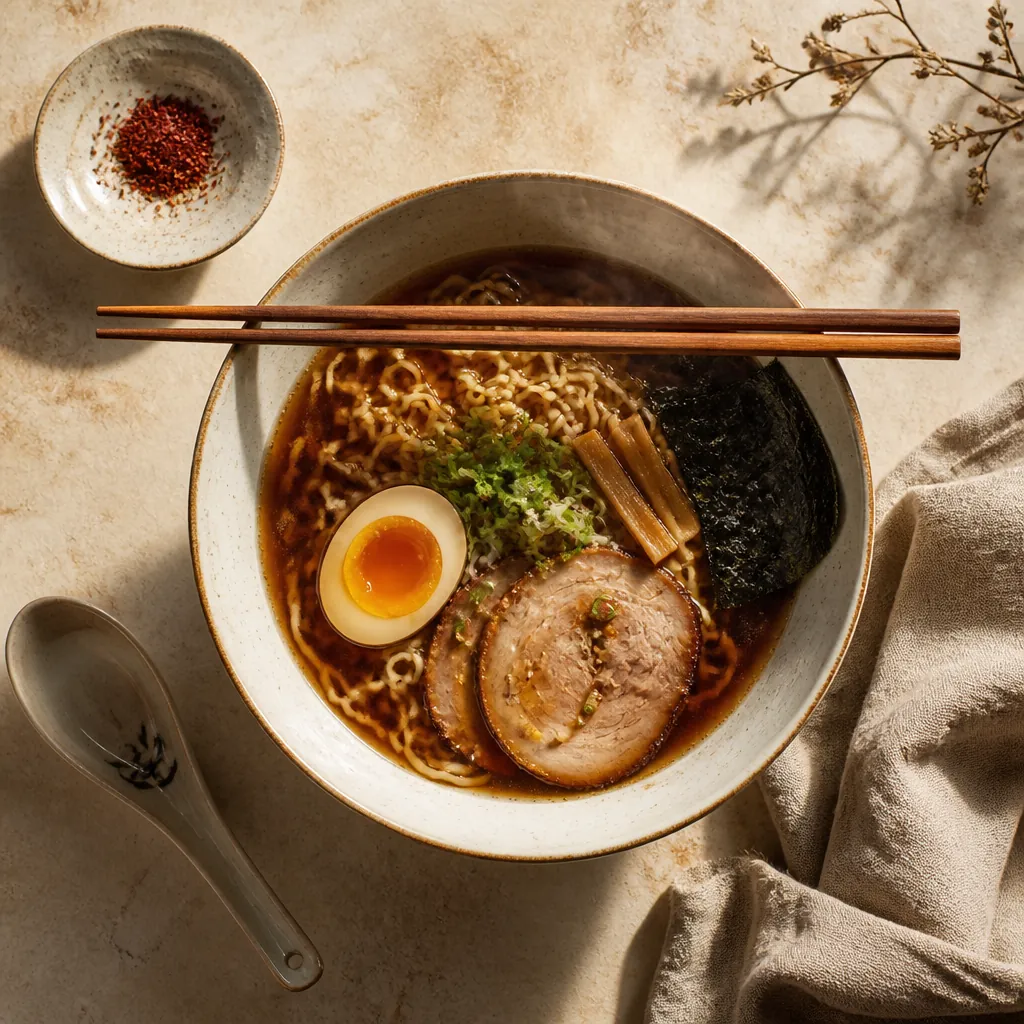
Most first-time visitors to a Japanese restaurant walk in confident and walk out realizing they broke at least three unspoken rules. Japanese dining etiquette is not about rigid formality for its own sake. It is a set of practices rooted in respect for the food, the chef, and the people you are eating with. Whether a friend brought you to Zen Ramen and Sushi for the first time or you are finally making good on a long-standing recommendation, knowing these five rules before you sit down will make your meal more enjoyable and more authentic.
Table of Contents
- Quick Takeaways
- Tip 1: How to Use Chopsticks Without Offending Anyone
- Tip 2: How to Eat Ramen the Right Way
- Tip 3: Sushi Etiquette Tips That Most Guides Get Wrong
- Tip 4: Ordering and Table Manners That Matter
- Tip 5: How to Handle the Bill and Show Appreciation
- Etiquette Comparison: What to Do vs. What to Avoid
- Frequently Asked Questions
- References
Quick Takeaways
| Key Insight | Explanation |
|---|---|
| Never stick chopsticks upright in rice or ramen | This gesture mimics funeral offerings and is considered deeply disrespectful at the table. |
| Slurping ramen is not just acceptable, it is encouraged | Slurping cools the noodles, aerates the broth flavor, and signals enjoyment to the kitchen. |
| Eat sushi in one bite when possible | Nigiri is sized intentionally. Biting it in half disrupts the rice-to-topping ratio the chef designed. |
| Dip fish into soy sauce, not rice | Rice absorbs too much soy sauce and falls apart. The fish side delivers just enough seasoning. |
| Say “itadakimasu” before eating | This phrase expresses gratitude for the meal. It is the Japanese equivalent of acknowledging the effort behind every dish. |
| Do not pass food chopstick to chopstick | This action replicates a funeral bone-passing ritual and should always be avoided at a dining table. |
| Finish your bowl, including the broth | Leaving food, especially ramen broth, signals the meal was unsatisfying. Finishing it shows respect for the kitchen. |
Tip 1: How to Use Chopsticks Without Offending Anyone
Chopstick rules are the most commonly violated aspect of Japanese dining etiquette, and the violations that matter most have nothing to do with technique. Most guests already know chopsticks can be tricky to hold. What they do not know is that certain uses carry serious cultural weight.
The two rules that matter most are these. First, never stick your chopsticks vertically into a bowl of rice or ramen. This is how incense sticks are placed at Buddhist funerals, and seeing it at the dinner table makes Japanese diners deeply uncomfortable. Second, never pass food from your chopsticks directly to another person’s chopsticks. This mirrors the ritual of passing cremated bones at a funeral ceremony and is one of the most jarring mistakes a guest can make.
A common mistake is also using chopsticks to spear food rather than pick it up. In practice, if you are struggling with slippery noodles, it is always better to ask for a fork than to stab the food. Asking for help is considerate. Stabbing your ramen is not.
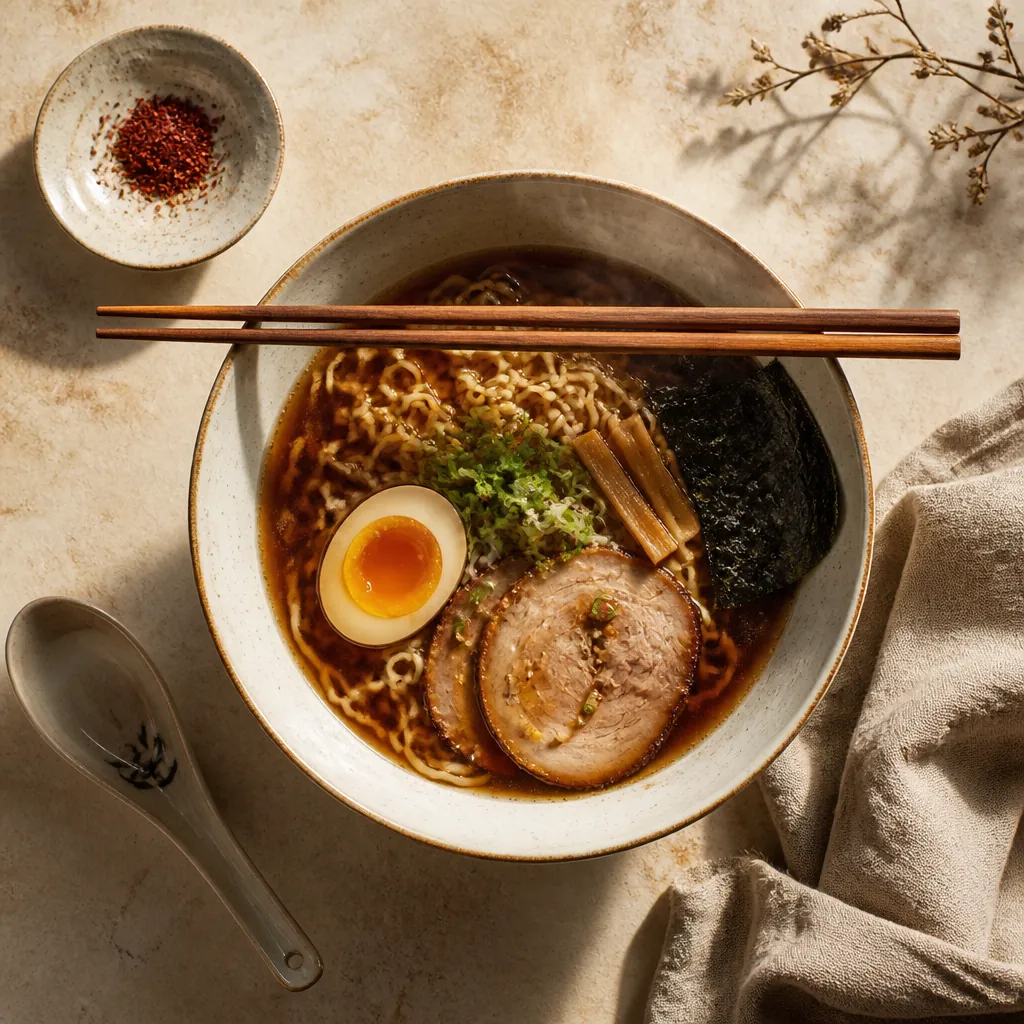
Pro tip: When you are not eating, rest your chopsticks flat across the top of your bowl or on the chopstick rest provided. Do not leave them balanced awkwardly or pointed at other diners.
What to Do With Chopsticks Between Bites
Use the chopstick rest on the table if one is provided. At Zen Ramen and Sushi, as at most quality Japanese restaurants, a proper rest is part of the table setting. If there is no rest, fold the paper sleeve your chopsticks came in and use that as a makeshift holder. It is a small gesture that reflects genuine familiarity with the dining culture.
Tip 2: How to Eat Ramen the Right Way
Knowing how to eat ramen properly will change how much you enjoy the dish. Ramen is not a casual soup you sip slowly between conversations. It is a dish built around timing, and letting it sit too long changes the texture of the noodles and the temperature of the broth in ways the chef did not intend.
Start eating as soon as the bowl arrives. Japanese ramen culture treats the bowl as a precisely timed creation. The broth is served at a specific temperature, and the noodles will continue cooking in that heat. Waiting five minutes to start while you rearrange the table is a mistake that affects the quality of what you eat.
“Ramen is a dish that does not wait for you. The moment it arrives at the table, the chef’s work is in your hands.” – Kenji Lopez-Alt, author of The Food Lab
The Slurping Question Every New Guest Asks
Yes, slurping is completely appropriate. It is not a concession to rudeness. Slurping ramen serves two real functions: it cools the noodles slightly as they enter your mouth, and it mixes air with the broth, which amplifies the flavor on your palate. In Japan, a silent ramen diner raises more eyebrows than a loud one.
Use both the chopsticks and the ceramic spoon your server brings. Lift noodles with the chopsticks into the spoon, add a little broth, and eat from the spoon. This is especially effective with a rich tonkotsu or miso broth, where every element deserves to be tasted together rather than separately.
Pro tip: Do not add soy sauce or hot sauce to your ramen before tasting it. The broth at a quality restaurant is seasoned deliberately. Adding condiments without tasting first tells the kitchen you assume it is underseasoned, which is a small but real slight.
Tip 3: Sushi Etiquette Tips That Most Guides Get Wrong
Most guides repeat the same surface-level sushi etiquette tips: use chopsticks, do not mix wasabi into the soy sauce. Those are fine starting points, but they miss the details that actually matter to the experience.
The single most important rule with nigiri sushi is directionality. When you pick up a piece of nigiri, turn it so the fish side faces down before dipping it lightly into soy sauce. This keeps the rice from absorbing an overwhelming amount of salt and prevents the piece from falling apart in the dish. The rice is already seasoned with rice vinegar and a small amount of salt during preparation. Adding more through the rice base throws the whole thing off.
Hands vs. Chopsticks for Nigiri
Here is the rule most guides skip: using your hands to eat nigiri is entirely acceptable in Japanese dining culture. In fact, at high-end omakase restaurants in Tokyo, eating nigiri with your fingers is considered the more traditional approach because it gives you better control and does not disturb the rice structure. Using chopsticks to pick up nigiri can compress or break the piece if not done carefully.
Rolls, on the other hand, are more reliably eaten with chopsticks. The layers hold together well and the shape makes chopstick gripping straightforward.
Ginger Is a Palate Cleanser, Not a Topping
The pickled ginger served alongside sushi exists specifically to reset your palate between different types of fish or rolls. It is not a condiment to pile on top of each piece. Eating ginger on the side between pieces, rather than with them, is the correct practice and will actually improve how you taste each dish.
Tip 4: Ordering and Table Manners That Matter
A first-time guest at any Japanese restaurant benefits from understanding a few ordering conventions that differ from typical Western dining. These are not arbitrary rules. They reflect a philosophy about how food should be experienced.
In Japan, it is common to say “itadakimasu” (roughly translated as “I humbly receive this meal”) before eating. You do not need to announce it loudly, but saying it quietly before your first bite acknowledges the labor and care behind the food. It is a small practice that costs nothing and signals genuine cultural respect.
Pouring Drinks for Others Before Yourself
If you are dining with a group, pour drinks for others before filling your own glass. This applies to sake, beer, and even water. Pouring for yourself first is considered self-centered in Japanese dining culture. Watch for empty glasses around the table and refill them. Your own glass will take care of itself when others notice.
Do Not Rush the Meal
A common mistake among guests who came via a friend’s recommendation is treating the meal as a quick transaction. Zen Ramen and Sushi, like any serious Japanese restaurant, designs the experience around deliberate eating. The kitchen sends dishes when they are ready, not when the clock demands it. Signaling impatience to the staff, or asking repeatedly when your food will arrive, runs counter to the entire philosophy of the cuisine.
Pro tip: If you are unsure what to order and your server has time, ask directly what the kitchen does best that evening. This is accepted practice at Japanese restaurants and often surfaces specials or preparations that do not appear on the printed menu.
Tip 5: How to Handle the Bill and Show Appreciation
Tipping culture at Japanese restaurants in the United States follows standard American practice, but the way you signal appreciation at the table carries more weight than you might expect. At restaurants in Japan, tipping is actually considered rude because it implies the person is not being paid fairly by their employer. In the US context, tipping is expected, but the table behavior still matters.
Say “gochisosama deshita” when you finish your meal. This phrase, directed casually toward the staff or kitchen, means something close to “thank you for the feast.” You will not sound pretentious for using it. You will sound like someone who paid attention and genuinely appreciated the experience. Staff at serious Japanese restaurants notice this immediately.
Do Not Linger With an Empty Table
Once you have finished eating and the dishes have been cleared, it is considerate to request the bill rather than occupying the table for extended conversation during peak hours. This is less about rigid rule-following and more about respecting that a busy restaurant has other guests waiting. The meal itself deserves your full presence. The extended conversation can happen outside.
Etiquette Comparison: What to Do vs. What to Avoid
The table below compares common dining behaviors side by side so you can reference them quickly before your visit. These comparisons are drawn from both traditional Japanese restaurant culture and the practical reality of dining at Japanese restaurants in New York.
| Dining Situation | Correct Approach | Common Mistake to Avoid |
|---|---|---|
| Chopstick placement between bites | Rest flat on chopstick rest or across bowl edge | Sticking vertically in food or leaving balanced awkwardly |
| Eating nigiri sushi | Pick up with fingers or chopsticks, dip fish side lightly in soy sauce, eat in one bite | Dipping rice side in soy sauce, biting piece in half, piling ginger on top |
| Eating ramen | Start immediately, slurp noodles, use spoon and chopsticks together, finish the broth | Waiting to eat, adding condiments before tasting, leaving broth unfinished |
| Drinking with a group | Pour for others first, wait until everyone has a drink before raising your glass | Pouring your own drink first, drinking before others have been served |
| Ending the meal | Say “gochisosama deshita,” request the bill promptly, tip appropriately | Leaving without acknowledgment, lingering at an empty table during busy service |
Frequently Asked Questions
Is it rude to ask for a fork at a Japanese restaurant?
No, it is not rude. Asking for a fork is far better than misusing chopsticks in ways that carry cultural offense. Any restaurant that makes a guest feel bad for requesting a fork is prioritizing performance over hospitality. Good Japanese restaurants, including Zen Ramen and Sushi, want every guest to enjoy their meal comfortably.
Can I mix wasabi directly into soy sauce for sushi?
This is technically a common Western practice, but it is not how sushi is traditionally eaten in Japan. The chef has already placed the appropriate amount of wasabi between the fish and the rice on nigiri. When you dissolve wasabi into soy sauce, you lose control over how much heat you are applying and you overpower the subtle flavor of the fish. If you want more wasabi, apply a small amount directly to the piece before dipping.
What does “itadakimasu” actually mean and should I say it?
“Itadakimasu” translates most closely to “I humbly receive” and is said before eating as an expression of gratitude for the meal, the people who prepared it, and the living things that gave their lives for it. You do not need to say it loudly or announce that you are saying it. A quiet acknowledgment before your first bite is entirely appropriate and will be genuinely appreciated by restaurant staff who care about the culture behind their food.
How long should I realistically expect a proper ramen bowl to take to eat?
A ramen bowl is best eaten within 10 to 15 minutes of arrival. The noodles continue to cook in the hot broth and will become mushy if left too long. This is not a dish for slow, contemplative eating across 45 minutes. Eat with focus, enjoy the heat and the slurp, finish the broth, and then relax with conversation after the bowl is done.
Is it acceptable to share dishes at a Japanese restaurant?
Sharing is common and welcome, particularly with sushi rolls, small appetizers, and side dishes. The Japanese practice is to use the clean end of your chopsticks, or a serving utensil provided, when transferring food to another person’s plate. Do not use the eating end of your chopsticks to serve others directly, as this is considered unsanitary and also echoes the funeral bone-passing gesture mentioned earlier.
What should I do if I accidentally break etiquette at the table?
Acknowledge it briefly and move on. A genuine apology is always received better than ignoring the mistake or over-explaining it. Most Japanese restaurant staff in the United States fully understand that many guests are unfamiliar with these customs, and they will not hold a sincere effort against you. The goal is not perfection. The goal is respect and attentiveness.
Have you noticed any of these etiquette moments during your own experience at a Japanese restaurant? Share what surprised you most, because your perspective genuinely helps other first-time guests feel more prepared.
References
- Smithsonian Magazine, cultural and historical coverage of Japanese food traditions and dining customs
- Statista, data and statistics on global Japanese restaurant industry growth and consumer dining behavior
- Forbes, reporting on food culture, restaurant industry trends, and the rise of Japanese cuisine internationally
- BBC Food, editorial coverage of international food cultures including Japanese dining practices and etiquette
- National Geographic, in-depth exploration of Japanese culinary traditions, food rituals, and cultural significance of dining