
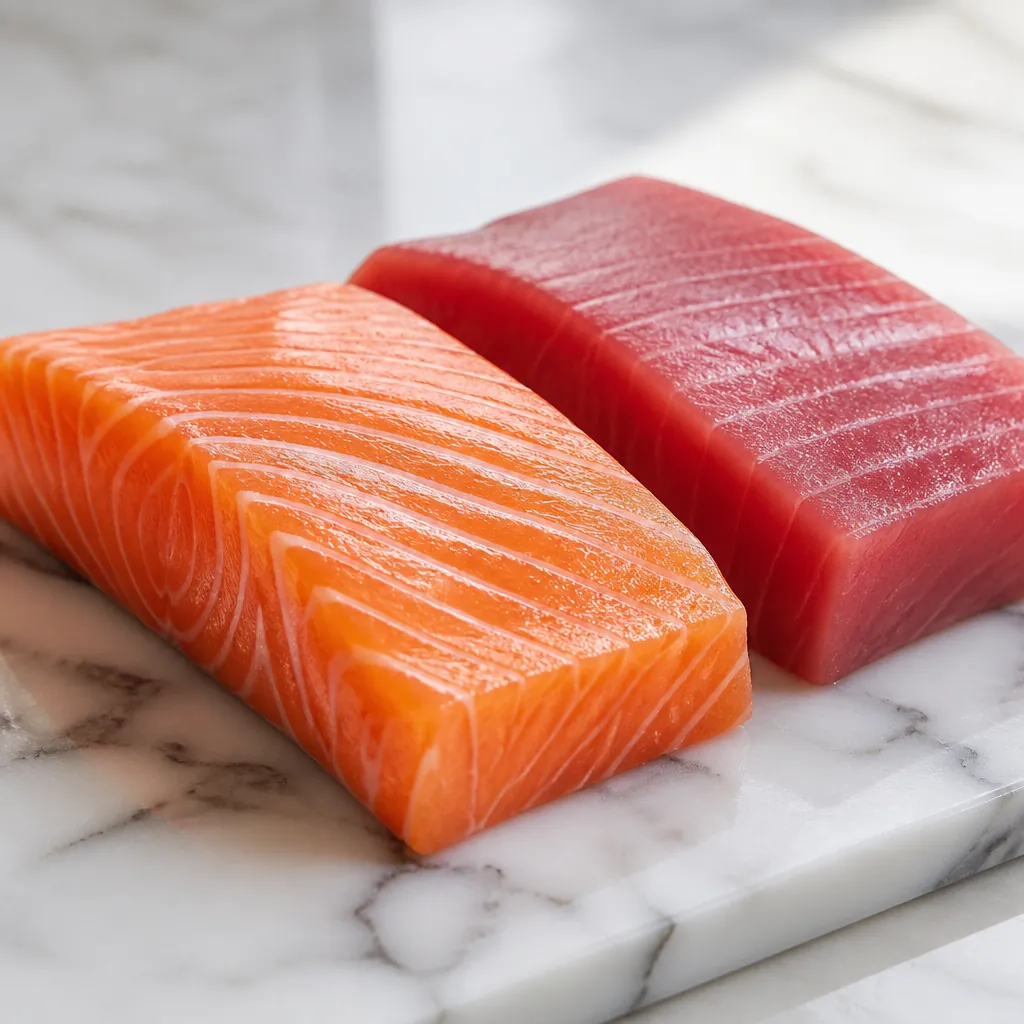
You trust the sushi on your plate because it looks beautiful. But what actually separates the salmon melting on your tongue at a great Japanese restaurant from a grocery store fillet that could make you sick? The answer comes down to sushi grade fish, a term that carries real weight in professional kitchens even though it carries no legal definition. If a friend just recommended Zen Ramen and Sushi to you, this guide will help you understand exactly what you are eating, why sourcing decisions matter enormously, and what questions separate a restaurant that takes raw fish seriously from one that is simply hoping you do not ask.
Table of Contents
- Quick Takeaways
- What Sushi Grade Actually Means
- FDA Rules and Parasite Destruction
- Which Fish Qualify and Why
- How to Read Freshness Yourself
- Comparing Sourcing Approaches for Raw Fish
- What This Means at Zen Ramen and Sushi
- Frequently Asked Questions
- References
Quick Takeaways
| Key Insight | Explanation |
|---|---|
| “Sushi grade” is not a government certification | No federal agency defines or certifies the label. It reflects a vendor’s own handling standards, not a regulated grade. |
| FDA freezing rules are the real standard | The FDA Food Code requires fish served raw to be frozen at specific temperatures and times to destroy parasites before service. |
| Tuna is uniquely low-risk among raw fish | Most tuna species are naturally resistant to the Anisakis parasites that affect other fish, making them among the safest raw options. |
| Farmed salmon is safer than wild salmon for raw use | Wild salmon spend time in fresh water where parasite exposure is higher. Farmed salmon raised on controlled diets carry substantially lower risk. |
| Flash-freezing does not ruin quality | Proper flash-freezing at extremely low temperatures, when executed correctly, preserves texture and flavor and meets FDA parasite destruction requirements. |
| Cold chain continuity matters more than a label | Temperature control from catch to plate is where real safety is built. A sushi grade label without a documented cold chain is marketing, not safety. |
| Smell, texture, and color are reliable freshness signals | Fresh sushi seafood smells clean and oceanic, not fishy. The flesh should be firm, translucent, and vibrant, never slimy or dull. |
What Sushi Grade Actually Means
The phrase “sushi grade” is everywhere on menus and at fish counters, but it does not represent an official government standard. No federal agency defines or certifies sushi grade as a legal category. The USDA does not regulate seafood at all. The FDA publishes guidelines for fish served raw but does not assign any grade or certification to individual fish.
What the term actually signals is that a vendor is voluntarily applying higher handling protocols, fresher supply, and extra care to reduce the risk of foodborne illness. Most reputable fish vendors use the label to identify the freshest, highest-quality fish in their supply that has been properly frozen before sale. The honest interpretation is: this fish came from a supplier who prioritizes careful sourcing and handling, not that some inspector stamped it safe.
A common mistake consumers and even some restaurants make is treating the label as a guarantee rather than a starting point. The term can be used as a marketing claim with no consequences, which is exactly why understanding what sits behind the label matters more than the label itself.
What sushi-grade actually refers to is a combination of handling protocols, freezing history, and sourcing standards that a specific supplier or restaurant voluntarily maintains.
For diners choosing a Japanese restaurant, this distinction is practical. The restaurant’s sourcing relationships and kitchen protocols are what determine safety and quality, not the words printed on a sign.
Pro tip: When you visit a sushi restaurant for the first time, ask where their fish comes from and how often deliveries arrive. A confident, specific answer is a good sign. Vague deflection is not.
FDA Rules and Parasite Destruction
Even though “sushi grade” is unregulated, the FDA does set real, enforceable requirements for fish served raw in restaurants, bars, and retail food stores. These requirements exist specifically to address parasites, the primary biological hazard in raw fish.
The Three Freezing Protocols
The FDA Food Code specifies three acceptable methods for parasite destruction in fish destined for raw consumption. Fish must be either: frozen and stored at -4°F (-20°C) or below for a minimum of 7 days; frozen at -31°F (-35°C) or below until solid and stored at that temperature for a minimum of 15 hours; or frozen at -31°F (-35°C) until solid and then stored at -4°F (-20°C) for a minimum of 24 hours. These are not suggestions. They are the minimum standard for compliance.
The key parasite of concern is Anisakis, a roundworm found in many ocean fish. Standard home freezers typically operate around 0°F (-18°C), which is not cold enough to reliably destroy parasites in the timeframes required. This is one reason sourcing from professionals who use commercial freezing equipment is important, and why a restaurant claiming to serve “fresh, never frozen” fish for raw preparations should prompt questions rather than admiration.
The HACCP Framework for Seafood Processors
Beyond parasite destruction, the FDA governs commercial seafood handling through HACCP, or Hazard Analysis Critical Control Points. This framework requires seafood processors to identify, monitor, and control specific hazard points throughout their operations. A supplier following proper HACCP documentation provides a documented chain of custody that a serious restaurant can verify. Sourcing from HACCP-compliant suppliers is the baseline for any restaurant serving raw fish responsibly.
Pro tip: Flash-freezing, when done at the correct commercial temperatures, actually preserves fish quality remarkably well. Dismissing frozen-then-thawed sushi as inferior to never-frozen shows a misunderstanding of how professional fish handling works. The key variable is whether the freezing was done correctly and at the right temperature.
Which Fish Qualify and Why
Not every species of fish behaves the same way regarding parasite risk, and understanding those differences is part of what separates an informed restaurant from one that treats all fish identically.
Tuna: The Naturally Low-Risk Option
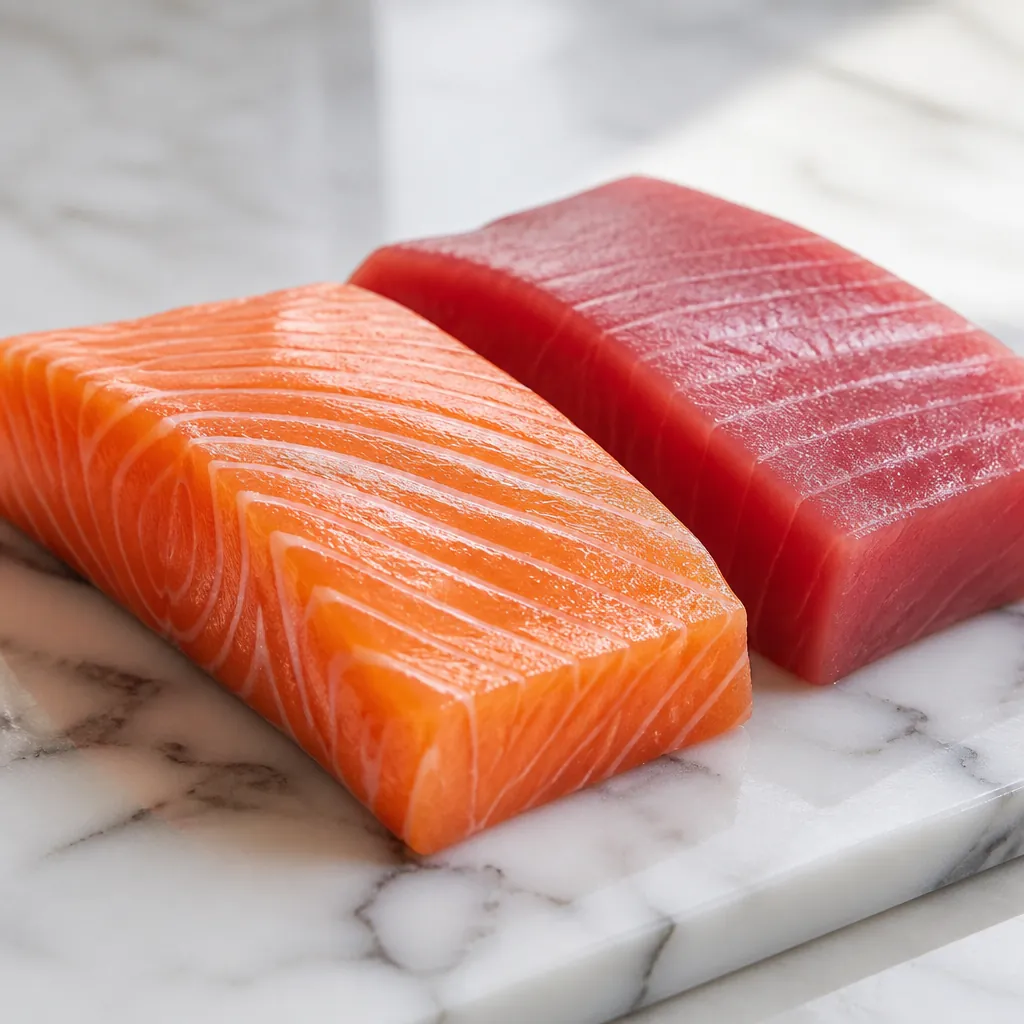
Tuna, including bluefin, bigeye, yellowfin, albacore, bonito, and skipjack, is recognized as naturally resistant to the specific parasites covered by FDA parasite destruction requirements. This natural resistance makes tuna one of the safest fish for raw consumption and explains why it has been the cornerstone of sashimi and nigiri traditions for so long. At Zen Ramen and Sushi, tuna preparations reflect this foundation of Japanese culinary tradition.
Salmon: Handle With Specific Knowledge
Salmon is one of the most popular sushi ingredients globally, but it requires careful species-specific handling. Wild salmon spend part of their lifecycle in fresh water, which significantly increases their exposure to parasites like tapeworms. Farmed salmon, raised on parasite-controlled diets in aquaculture environments, carry substantially lower inherent parasite risk. For raw preparations, farmed salmon is the safer default choice. Wild Pacific salmon should be frozen to FDA specifications before raw service.
Hamachi, Scallops, and Other Sushi Staples
Hamachi (yellowtail) delivers a delicate balance of tenderness and mild sweetness that makes it ideal for sashimi and nigiri. Scallops, when genuinely fresh and properly handled, offer a clean, sweet flavor profile distinct from any other sushi ingredient. Sea bream (tai) and fluke are prized whitefish options. Each of these species has specific handling requirements, and the quality difference between properly sourced fresh sushi seafood and a careless substitute is immediately apparent on the palate.
Freshwater Fish: A Hard Line
Freshwater fish are particularly susceptible to parasites, including tapeworms, making them unsafe for raw consumption unless they have been frozen to the appropriate specifications. This is not a judgment call. It is a biological reality, and restaurants that serve freshwater fish raw without proper freezing protocols are cutting a corner that should not be cut.
How to Read Freshness Yourself
Even without a laboratory or a freezing log, a diner can develop reliable instincts for evaluating whether a sushi restaurant takes fresh sushi seafood quality seriously. The signals are physical and straightforward.
Color and Translucency
Fresh sushi-grade fish has vibrant, consistent color. Salmon should be a rich, even pink or orange without pale or brown patches. Tuna ranges from deep red to pink depending on the cut, but it should never appear brownish or dull at the edges. Yellowing, discoloration, or uneven patches are signs of oxidation and age. The flesh should also carry a light translucency rather than looking opaque and lifeless.
Smell
Fresh fish smells clean, oceanic, and faintly of the sea. A strong fishy odor is a sign of bacterial decomposition beginning, not a sign that the fish is simply “fishy.” This distinction matters. If your sushi platter arrives with any sourness or ammonia-like smell, that is a quality failure, not a normal feature of raw fish.
Texture
The flesh of properly handled sushi-grade fish is firm to the touch and springs back when pressed. Slimy surfaces, a mushy interior, or flesh that falls apart rather than slicing cleanly all indicate poor handling or age. When you cut into the fish with a piece of nigiri, it should hold its shape rather than shredding.
Delivery Frequency as a Proxy
A restaurant serving genuine fresh sushi seafood receives fish deliveries frequently, ideally multiple times per week. A restaurant that orders once weekly and stretches its inventory through the week will have visibly declining quality by the end of that cycle. Asking how often the fish arrives is a legitimate and reasonable question.
Comparing Sourcing Approaches for Raw Fish
Not all sourcing approaches for sushi-grade fish are equal. Here is a direct comparison of the three approaches restaurants actually use, and what each one means for quality and safety.
| Sourcing Approach | Quality and Safety Profile | What to Ask or Look For |
|---|---|---|
| Direct from HACCP-certified seafood supplier with documented cold chain | Highest standard. Supplier maintains documented freezing logs, consistent temperature control, and regular quality checks. Parasite destruction requirements are met systematically. | Ask if the restaurant works with a named specialty seafood supplier and receives regular documented shipments. |
| Commercial fish market with daily or near-daily sourcing | Good standard when the market is reputable. Quality depends on how freshly the fish arrives and how the restaurant stores and handles it after purchase. Less documentation than a direct supplier relationship. | Look for high table turnover, frequent delivery evidence (delivery boxes, daily specials that change), and staff who can describe where the fish is from. |
| General wholesale distributor, infrequent orders | Lowest standard for a raw fish program. Fish may sit in distribution longer, cold chain documentation is less reliable, and freshness at time of service is highly variable. The “sushi grade” label here is more likely to be a marketing claim than a quality commitment. | Menus that never change, fish that always looks identical regardless of season, no staff ability to describe sourcing, and strong fishy odors in the dining room. |
What This Means at Zen Ramen and Sushi
The conversation around sushi grade fish is not abstract for a restaurant like Zen Ramen and Sushi. Every decision about sourcing, freezing protocols, delivery frequency, and kitchen handling shows up directly in what arrives at your table. For a Japanese restaurant committed to authentic ramen and sushi, the quality of the fish is not a detail. It is the product.
The restaurants that earn and keep loyal word-of-mouth referrals, which is exactly how most new guests find Zen Ramen and Sushi, are the ones where these sourcing decisions are made seriously and consistently. Fresh sushi seafood that meets real standards produces the clean, vibrant flavors that people describe to their friends. Fish that cuts corners produces the kind of underwhelming or off-putting experience that gets mentioned instead as a warning.
Beyond sushi, Zen Ramen and Sushi’s ramen program represents another dimension of Japanese culinary craft, from carefully constructed broths to thoughtfully sourced toppings. The standard of care applied to the sushi program reflects the overall approach to quality across the menu. If you are visiting for the first time based on a friend’s recommendation, that consistency is what you are being steered toward.
Pro tip: If you are new to sushi, starting with tuna-based preparations (like a tuna nigiri or a straightforward tuna roll) is a smart introduction. Tuna is the most naturally low-risk raw fish, has been central to Japanese sushi tradition for centuries, and its flavor profile is a clear benchmark for what quality sushi seafood tastes like before you branch out to more complex options like hamachi or salmon.
Frequently Asked Questions
Is “sushi grade fish” actually a regulated standard in the United States?
No. No federal agency defines or certifies “sushi grade” as a legal standard. The FDA publishes guidelines for parasite destruction in fish served raw, but it does not grade or certify fish as sushi grade. The USDA does not regulate seafood at all. The term is a voluntary label applied by vendors to indicate their highest-quality, most carefully handled fish, but the standards behind it vary entirely by supplier.
Why does most restaurant sushi involve fish that has been frozen?
Because FDA regulations require it for parasite destruction. Fish served raw must be frozen at specific temperatures for specific durations before service. This is not optional in a compliant restaurant. Proper commercial flash-freezing at the required temperatures, when done correctly, preserves texture and flavor well and is the standard that professional sushi programs operate within. “Fresh, never frozen” is not inherently superior for raw fish and can actually indicate non-compliance with FDA requirements depending on the species.
Which fish is safest for raw sushi consumption?
Tuna is widely regarded as the safest option due to its natural resistance to the Anisakis parasites that affect most other ocean fish. This includes bluefin, bigeye, yellowfin, albacore, bonito, and skipjack. Farmed salmon is a safer choice than wild salmon for raw preparations because farmed fish are raised on controlled diets that significantly reduce parasite exposure. Freshwater fish should not be eaten raw unless properly frozen to FDA specifications.
How can I tell if the sushi I am being served is genuinely fresh?
Fresh sushi-grade fish has vibrant, consistent color without browning or dull patches, smells clean and oceanic rather than strongly fishy, and has firm flesh that holds its shape when sliced. A strong or sour smell, slimy texture, or visibly dull coloring are all warning signs. Asking how often the restaurant receives fish deliveries is also a direct indicator of freshness standards.
Does the temperature my sushi is stored at before service matter?
Yes, significantly. Fish intended for raw consumption should be stored below 40°F (4°C) to prevent bacterial growth. The FDA designates temperatures above 40°F as the “danger zone” where bacteria multiply rapidly. Proper cold chain management from supplier to kitchen to plate is where real safety is built, and it matters as much as the initial sourcing and freezing decisions.
Is eating sushi at a reputable restaurant risky?
The risk at a reputable restaurant that follows documented cold chain procedures and FDA parasite destruction guidelines is substantially low. The primary risks in raw fish, Anisakis parasites and bacterial contamination, are directly addressed by proper freezing protocols and temperature control. The risk is meaningfully higher when those protocols are not followed, which is why sourcing transparency and kitchen practices matter far more than the presence of a “sushi grade” label alone.
Have you ever asked a restaurant about where their fish comes from and been surprised by the answer? Share what transparency at your favorite sushi spot actually looks like.
References
- What sushi grade fish means, how it is handled, and which species are used in raw sushi preparations
- How to choose sushi grade seafood, including FDA freezing requirements and species-specific safety guidance
- Sushi grade fish explained, covering the meaning of the label, FDA handling regulations, and what to look for when sourcing
- FDA Food Code requirements for serving raw or undercooked fish, including parasite destruction time and temperature parameters