
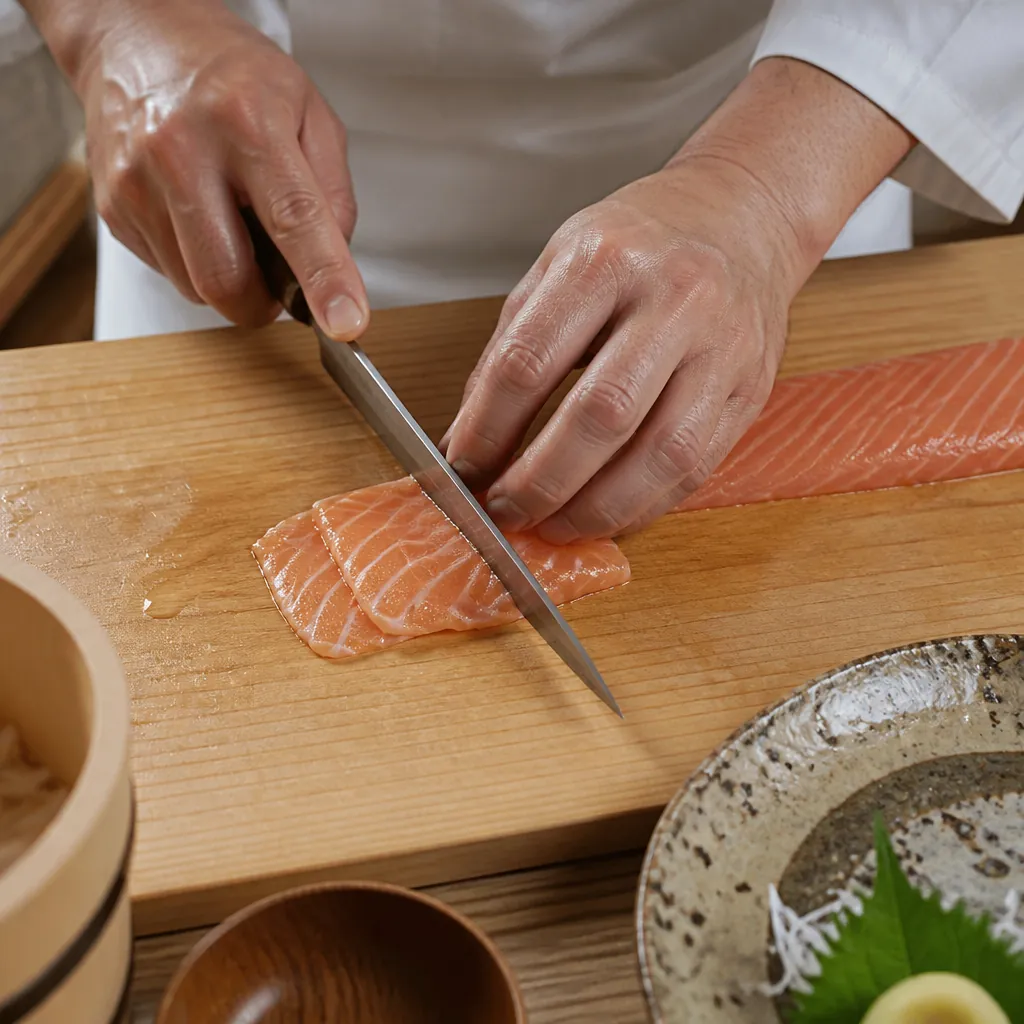
Most people who walk into a sushi restaurant assume “fresh” means better, safer, and more authentic. The reality is more complicated, and that gap between assumption and reality is exactly where bad sushi hides. Fresh sushi, when sourced and prepared correctly by a skilled kitchen, delivers a texture, flavor, and dining experience that no grocery store roll or supermarket grab-and-go box can match. But freshness alone is not the whole story. Understanding what actually separates a great sushi experience from a forgettable one means looking at sourcing, preparation technique, and what your restaurant is doing behind the counter, not just what it says on the menu.
Table of Contents
- Quick Takeaways
- What Fresh Sushi Actually Means
- The Science Behind Sushi Quality
- Fresh vs. Frozen: The Real Comparison
- What Authentic Sushi Preparation Looks Like
- Red Flags That Signal Low-Quality Sushi
- Why Zen Ramen and Sushi Takes Preparation Seriously
- Frequently Asked Questions
- References
Quick Takeaways
| Key Insight | Explanation |
|---|---|
| “Sushi grade” is not a regulated term | The FDA does not define or certify “sushi grade.” Any vendor can use the label. Ask about sourcing instead. |
| Properly frozen fish can be safer than so-called “fresh” fish | FDA guidelines require freezing to -4°F (-20°C) for 7 days to destroy parasites in most raw fish species. |
| Freshness is won or lost at the supply chain level | Fish that sat two extra days at a distributor cannot be rescued by the best chef. Sourcing decisions matter more than kitchen skill alone. |
| Color and texture are more reliable than smell | A vibrant, firm cut with clean marbling signals quality far more reliably than any menu claim or nose test. |
| Most imported bluefin tuna labeled “fresh” was previously frozen | Bluefin tuna imported from Japan is typically frozen at sea for transport. “Fresh” labeling in this context is technically misleading. |
| Freshly prepared sushi has a narrow serving window | Sushi rice hardens and fish texture degrades within hours. A roll made to order is always superior to one sitting in a display case. |
| Farmed Atlantic salmon is an exception to freezing requirements | The FDA permits farmed Atlantic salmon to be served raw without prior freezing due to controlled feed that eliminates parasite risk. |
What Fresh Sushi Actually Means
The word “fresh” gets used so loosely in restaurant marketing that it has nearly lost meaning. A supermarket selling refrigerated sushi rolls made six hours ago calls them fresh. A gas station in a tourist area puts “fresh” on its grab-and-go label. None of that is what a Japanese cuisine enthusiast means when they talk about fresh sushi.
Genuine freshness in sushi refers to the entire chain from sourcing to service. It means fish that was handled carefully at the point of catch or harvest, transported under strict cold-chain conditions, received by the kitchen with attention, and then cut and assembled to order. Every link in that chain matters equally. A fish that was pristine at the dock but sat improperly at a distributor warehouse is not fresh by the time it reaches your plate, no matter what the menu says.
The term “sushi grade” compounds the confusion. According to sourcing information widely confirmed across food safety contexts, the U.S. Food and Drug Administration does not define, certify, or regulate the phrase “sushi grade.” Any fish counter or restaurant can print those words on any product. When a friend recommends a sushi restaurant to you, they are probably not thinking about FDA label regulations. But understanding this gives you sharper questions to ask when you actually sit down.
Pro tip: When trying a new sushi restaurant on a friend’s recommendation, ask your server where the fish is sourced. A confident, specific answer tells you far more than any menu label.
The Science Behind Sushi Quality
There is real science behind why freshly prepared sushi from a skilled kitchen tastes different from anything pre-packaged. It comes down to three factors: fish integrity, rice temperature, and preparation timing.
Why Fish Integrity Matters More Than the “Fresh” Label
Fish begins to break down at the cellular level the moment it is removed from water. The rate of that breakdown depends entirely on how quickly it is chilled and how consistently that cold chain is maintained. A fish handled poorly for even a few hours at the wrong temperature develops off-flavors and a mushy texture that no amount of sauce or seasoning can fix.
Properly flash-frozen fish, by contrast, can retain its structural integrity because the rapid freezing process minimizes the formation of large ice crystals that rupture cell walls. This is why high-quality sushi restaurants often use properly frozen fish as part of a safety and quality protocol rather than as a shortcut. The freezing is not the problem. Slow, improper freezing is the problem, and that distinction is rarely explained to diners.
The Role of Sushi Rice in Overall Quality
An underappreciated element of sushi quality is the rice. Sushi rice seasoned with the right ratio of rice vinegar, sugar, and salt, and served at the correct slightly-warm temperature, binds together properly and complements the fish without overwhelming it. Rice that has been refrigerated for hours tightens, hardens, and loses that subtle warmth. This alone is enough to make a pre-made supermarket roll feel cheap compared to one assembled at the moment you order it.
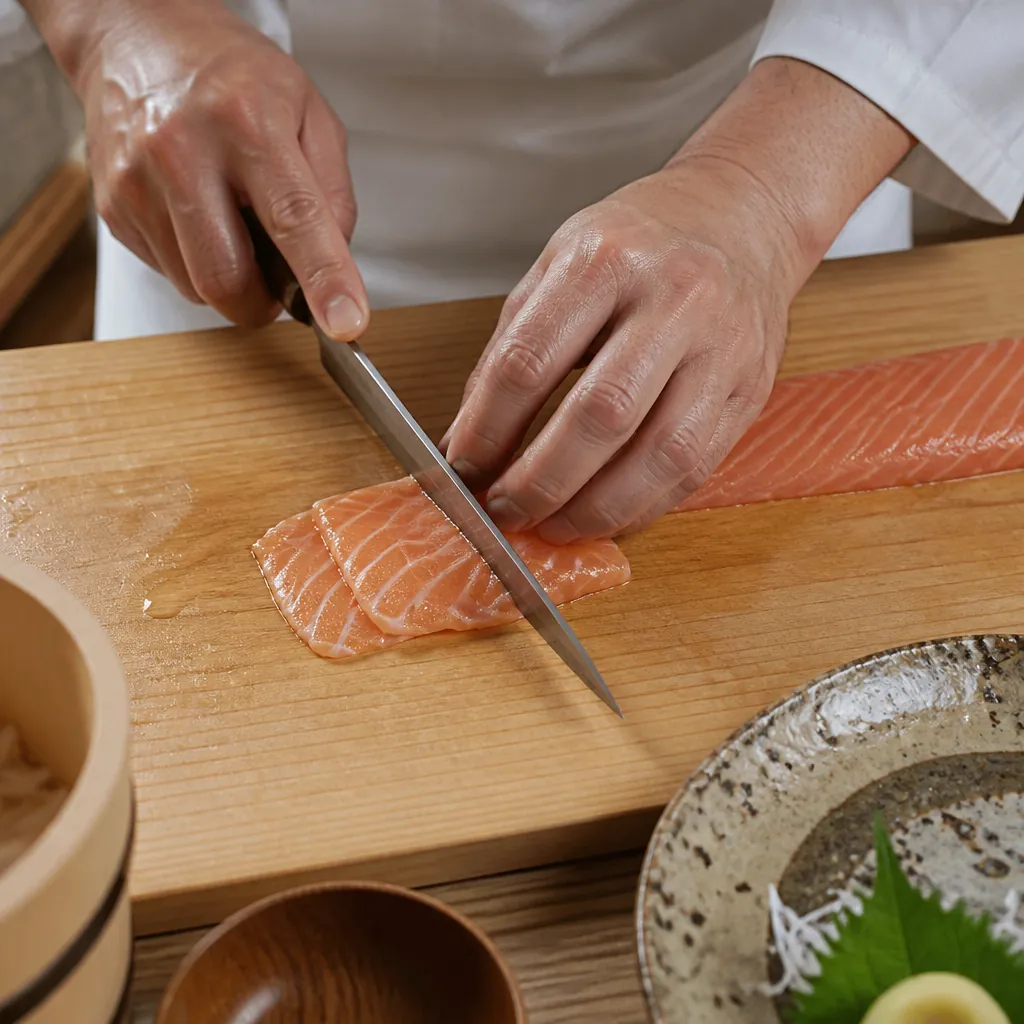
The quality of a sushi experience is determined before the fish ever reaches the chef’s knife. Supply chain decisions, cold-chain discipline, and sourcing relationships are the foundation that kitchen skill is built on.
Fresh vs. Frozen: The Real Comparison
The fresh-versus-frozen debate in sushi is not a simple one, and anyone presenting it as black-and-white is oversimplifying. The honest answer is that the method of freezing and the intent behind it determine everything about quality outcomes. Here is a direct comparison of the three approaches you will actually encounter at different types of sushi establishments.
| Approach | Quality Outcome | Safety Profile |
|---|---|---|
| Freshly prepared, same-day sourced fish | Highest possible texture and flavor when supply chain is disciplined. No margin for error at distribution stage. | Safe when sourcing is verified and proper handling is maintained throughout. Requires the most kitchen rigor. |
| Professionally flash-frozen fish, thawed to order | Can match or approach fresh quality when frozen at -30°C or lower with proper technology. Acceptable texture for most applications. | Meets FDA parasite-destruction requirements when frozen correctly. Often the safer choice if fresh supply chain is unreliable. |
| Standard commercial frozen or pre-made sushi | Noticeably lower texture and flavor. Rice quality suffers most. Designed for shelf life, not dining experience. | Variable depending on producer. Does not equal professional flash-freezing. Often the worst of both worlds. |
The takeaway from this comparison is straightforward. At a dedicated authentic sushi restaurant where the kitchen sources carefully and prepares to order, you are getting something that no frozen grab-and-go option replicates. The difference is not subtle. It is the difference between eating sushi and experiencing it.
Pro tip: If you are dining at a sushi restaurant for the first time based on a friend’s referral, order a simple nigiri before anything else. A two-piece salmon or tuna nigiri with no sauce reveals exactly how good the rice and fish are on their own. That is your benchmark for everything else on the menu.
What Authentic Sushi Preparation Looks Like
Authentic Japanese sushi preparation is not complicated in theory, but it demands precision in practice. The margin for error is narrow because sushi has nowhere to hide. There is no heavy sauce reducing over a long braise, no spice blend masking off-notes. The fish and rice speak for themselves.
The Cutting Technique Changes the Eating Experience
The direction and angle of each cut affect the texture of the fish in your mouth. Cutting against the grain of the muscle fiber produces a cleaner bite. Cutting with the grain creates chewiness that most diners read as lower quality, even if they cannot articulate why. A sushi chef who cuts precisely is not performing theater. They are controlling your physical experience of the food.
Temperature Management from Counter to Plate
Sushi is served at a specific temperature window for a reason. Fish too cold from the refrigerator tastes flat, because cold suppresses aromatic compounds. Fish that has warmed too long at room temperature degrades both in safety and texture. A kitchen that times its preparation correctly serves fish at the point where its full flavor profile is accessible. This is one of the clearest differences between a restaurant that treats sushi preparation as a craft and one that treats it as assembly line work.
Ingredient Ratios in Sushi Rice
The seasoning of sushi rice is handled differently by every kitchen, and experienced diners notice. The ratio of rice vinegar to sugar to salt, the variety of short-grain rice used, and the way the seasoning is folded in while the rice is still warm all affect the final result. In practice, this is one of the easiest places for a kitchen to cut corners, and one of the easiest places for a knowledgeable diner to detect that they have.
Red Flags That Signal Low-Quality Sushi
If a friend has referred you to a new sushi spot, you want to know quickly whether the recommendation is going to hold up. These signals are faster and more reliable than any online review.
A common mistake diners make is judging sushi quality by smell alone. Well-handled fish stored at the correct temperature can smell neutral even when it is past its peak texture quality for sushi use. Smell is a late indicator. By the time fish smells off, it has already been bad for texture purposes for some time.
Watch instead for visual cues. Fish that looks dull, slightly brown at the edges, or has an uneven color distribution is past its prime. Rice that looks dry, cracked, or has a stiff appearance has been sitting too long. A roll that falls apart before it reaches your mouth signals either poor preparation technique or rice that was refrigerated and served cold.
Pay attention to the sushi counter itself. A restaurant serious about sushi quality keeps its fish display clean, cold, and well-organized. Overcrowded cases with fish pressed against each other, or cases where items are not clearly labeled, suggest the kitchen is not treating sourcing and presentation as priorities.
Why Zen Ramen and Sushi Takes Preparation Seriously
At Zen Ramen and Sushi, the philosophy behind the sushi menu is simple: every roll and every piece of nigiri is assembled when you order it, not in advance. That decision has a direct and immediate impact on what lands on your table. The rice is at the right temperature. The fish has not been sitting exposed. The nori has not had time to go soft and chewy from moisture absorption.
This approach requires more kitchen discipline than batch-preparing a display case full of rolls, but it is the only approach consistent with serving sushi worth eating. When a friend sends you through the door, the expectation is already high. The commitment to freshly prepared sushi at every service is how that expectation gets met, not just occasionally, but reliably.
The menu at Zen Ramen and Sushi pairs that sushi preparation philosophy with an equally considered ramen program, meaning whether you come for the noodles or the fish, the kitchen’s standards apply across everything on the table. That consistency is what turns a first visit from a referral into a regular habit.
Frequently Asked Questions
Is fresh sushi always safer than frozen sushi?
Not automatically. The FDA requires that most raw fish species be frozen to -4°F (-20°C) for at least 7 days before being served raw, specifically to destroy parasites. A restaurant serving properly sourced and handled fresh fish can be completely safe, but so can one using correctly flash-frozen fish. The risk rises with sloppy supply chain management, not with the freezing process itself.
What does “sushi grade” actually mean?
It means very little on its own. The FDA does not define or regulate the term “sushi grade” or “sashimi grade.” Any fish counter or restaurant can apply the label to any product. It signals the seller’s intent, not a certified standard. When choosing a sushi restaurant, ask specifically about sourcing rather than accepting the label as a guarantee of quality.
How can I tell if sushi rice was freshly made?
Fresh sushi rice holds together without being compacted into a hard block and has a slight warmth to it. It should not taste or feel dry. Refrigerated rice loses its texture and becomes stiff. If your nigiri or roll feels cold and dense rather than delicate and slightly yielding, the rice was likely made hours before service.
Why does some pre-packaged sushi taste so different from restaurant sushi?
Several factors separate them. Pre-packaged sushi is made in advance, refrigerated, and designed with shelf life in mind. The rice hardens in the refrigerator, the nori softens and loses its bite, and the fish loses texture from sitting. A freshly prepared restaurant roll is assembled to order at the right temperatures, which produces a completely different eating experience in terms of texture and flavor.
Does flash-freezing ruin sushi fish quality?
Done correctly, it does not. Flash-freezing at very low temperatures (-30°C or lower) rapidly forms very small ice crystals that minimize cellular damage. When thawed properly, well-flash-frozen fish can retain close to its original texture. The problem is slow or improper freezing at standard commercial temperatures, which causes larger ice crystals and noticeably damages texture. The method of freezing matters enormously, not the act of freezing itself.
What is the best way to judge a sushi restaurant on a first visit?
Order a simple salmon or tuna nigiri first, with no additional sauce. This gives you the clearest read on the fish quality and the rice quality without anything else masking the result. Look for fish that is vibrant in color, firm but yielding in texture, and free from any browning at the edges. The rice should hold its shape without being compacted into a hard block.
If you have visited Zen Ramen and Sushi, we would love to hear what your first sushi order told you about the kitchen.
We would love your feedback and any insights you would share with others. What perspective would you add?
References
- How flash-freezing technology affects sushi texture, quality, and safety compared to fresh preparation
- What sushi grade fish actually means and how restaurants source raw fish for quality and safety
- Expert comparison of fresh versus frozen fish for sushi including taste, texture, and food safety considerations
- Why FDA regulations require raw fish to be frozen before serving and what that means for sushi diners