A friend tells you about a new ramen spot nearby, and you show up hungry and trusting their word. But halfway through the bowl, something feels off. The broth tastes thin, the noodles are mushy, and a quick scan of the menu reveals pasta dishes, burgers, and a suspiciously long list of everything else. That experience is more common than it should be, and it is exactly the problem a good referral recommendation is supposed to help you avoid. Before your next visit to an authentic ramen restaurant, here are five concrete signs that tell you whether the kitchen takes Japanese ramen quality seriously or is just cashing in on the trend.
Table of Contents
- Quick Takeaways
- Sign 1: The Broth Demands Your Attention
- Sign 2: The Menu Is Focused, Not Sprawling
- Sign 3: The Noodles Are Fresh and Matched to the Broth
- Sign 4: Toppings Are Deliberate, Not Decorative
- Sign 5: The Staff Can Actually Talk About the Food
- Ramen Style Comparison: How Authentic Shops Approach Each Type
- Frequently Asked Questions
- References
Quick Takeaways
| Key Insight | Explanation |
|---|---|
| Broth is the single best quality indicator | Authentic tonkotsu broth simmers for many hours to extract collagen from pork bones. A thin, watery, or excessively greasy broth signals shortcuts in the kitchen. |
| A short, focused menu is a green flag | Dedicated ramen shops (ramen-ya) concentrate on one craft. An enormous menu with unrelated dishes usually means frozen or pre-packaged ingredients. |
| Noodle texture is non-negotiable | Authentic ramen noodles use kansui, an alkaline mineral water that gives them their characteristic yellow color, springy bite, and resistance to going soggy in hot broth. |
| Toppings follow a logic, not a trend | Classic toppings such as chashu, ajitama (marinated egg), menma (bamboo shoots), and negi exist to complement the broth, not to photograph well. |
| Tare is a separate seasoning concentrate | A restaurant that uses a distinct tare (shio, shoyu, or miso) as its seasoning layer shows real knowledge of ramen construction. Generic, one-size-fits-all seasoning is a shortcut. |
| Staff knowledge reflects kitchen care | If a server cannot explain the broth base or noodle type, the kitchen likely does not invest in teaching the team, which says something about the overall standards. |
| Condiments on the table should be minimal | A table loaded with sauces and condiments for the ramen itself often means the restaurant is not confident its broth stands on its own. |
Sign 1: The Broth Demands Your Attention
The broth is where the entire credibility of a ramen bowl lives or dies. In an authentic ramen restaurant, the soup is not a backdrop for toppings. It is the main event, and it takes serious time to build correctly.
Tonkotsu broth, for example, requires an aggressive rolling boil over many hours so that collagen, fat, and minerals extract from pork bones and emulsify into a creamy, milky-white liquid. Shio ramen calls for the opposite: a slower, gentler simmer that keeps the broth clear while concentrating delicate flavors from chicken, kombu, bonito flakes, and dried sardines. Each style has its own demands, and a kitchen that respects those demands produces a broth you can detect immediately on the first sip.
What does a shortcut broth taste like? It tastes flat. It may also be excessively oily, which is a sign of a hastily made base rather than a slow, well-developed one. A properly long-simmered broth carries a silky, lip-coating richness that no powder, paste, or concentrate can reproduce.
A high-quality, long-simmered broth will have a luxurious, silky mouthfeel from the bone marrow infusing into the liquid. This cannot be replicated hastily.
The other marker of an authentic broth is the use of tare, a concentrated seasoning sauce applied separately to the bowl before the soup is poured in. Shio tare uses salt, shoyu tare uses soy sauce, and miso tare uses fermented soybean paste. Each creates a fundamentally different flavor profile even when the base broth is the same. A restaurant that understands and applies tare correctly is demonstrating real ramen knowledge, not just cooking noodle soup.
Pro tip: Take one spoonful of broth before touching anything else in the bowl. If it is rich, layered, and leaves a slight coating on your lips, you are in a kitchen that cares. If it tastes like salted water with a hint of chicken powder, trust that instinct and take note.
Sign 2: The Menu Is Focused, Not Sprawling
In Japan, dedicated ramen shops called ramen-ya are built around a single obsession. The chef has typically spent years developing one broth, one noodle style, and a tight set of toppings. The menu might list three to five ramen variations and a handful of sides. That level of focus is a statement about craft, not a lack of options.
When you sit down at a restaurant and the menu covers ramen, sushi, teriyaki, pasta, burgers, and appetizers that span three different cuisines, the math works against quality. Keeping fresh, daily-sourced ingredients for a sprawling menu is operationally difficult. The more realistic outcome is frozen proteins, pre-packaged noodles, and broths that come from a supplier rather than from the kitchen’s own stockpot.
What a focused menu actually looks like
A quality ramen menu will typically anchor itself around the major tare categories: shio (salt), shoyu (soy sauce), miso, and possibly a regional specialty like tonkotsu from Hakata or spicy tantanmen. Within each style, you might see variations for protein choice or spice level, but the core broth is always the foundation. You will also notice a small, considered list of toppings and add-ons rather than an overwhelming customization bar.
This does not mean a restaurant cannot also serve excellent sushi. A well-run Japanese restaurant can do both with integrity. The warning sign is specifically when the menu reads like the kitchen is trying to be all things to all people, with no apparent area of deep expertise.
Pro tip: Before you visit, check the online menu. If ramen takes up less than a third of the available dishes, and the rest reads like a greatest-hits compilation of pan-Asian food, recalibrate your expectations for the ramen specifically.
Sign 3: The Noodles Are Fresh and Matched to the Broth
Ramen noodles are not interchangeable with any other wheat noodle. What makes them distinct is kansui, an alkaline mineral water used in the dough. Kansui gives ramen noodles their characteristic yellow tint, their springy and slightly chewy texture, and, critically, their ability to hold up in hot broth without turning to mush. Without kansui, what you have is plain wheat noodles sitting in soup.
Most serious ramen restaurants do not make their own noodles in-house, but they source them daily or regularly from a trusted noodle supplier. Fresh noodles should have a clean bite. They should spring back when you chew them. If your noodles arrive soft, limp, or clumped together before you have even started eating, they were either pre-cooked, frozen, or sitting in water too long before reaching the bowl.
Noodle thickness is a deliberate choice, not a coincidence
Authentic ramen kitchens match noodle thickness to broth weight. Rich, heavy tonkotsu broth typically pairs with thinner, straighter noodles that do not compete with the intensity of the soup. Lighter shio or shoyu broths often work with wavy, medium-thickness noodles that carry more surface area and catch more of the delicate liquid. When you notice that the noodle feels right in the broth, that is not an accident. It is a decision that was made before the bowl ever reached your table.
Sign 4: Toppings Are Deliberate, Not Decorative
The classic ramen toppings exist because they complement the broth and add textural contrast, not because they photograph well. An authentic ramen restaurant treats toppings as part of a system, not as a pile-on.
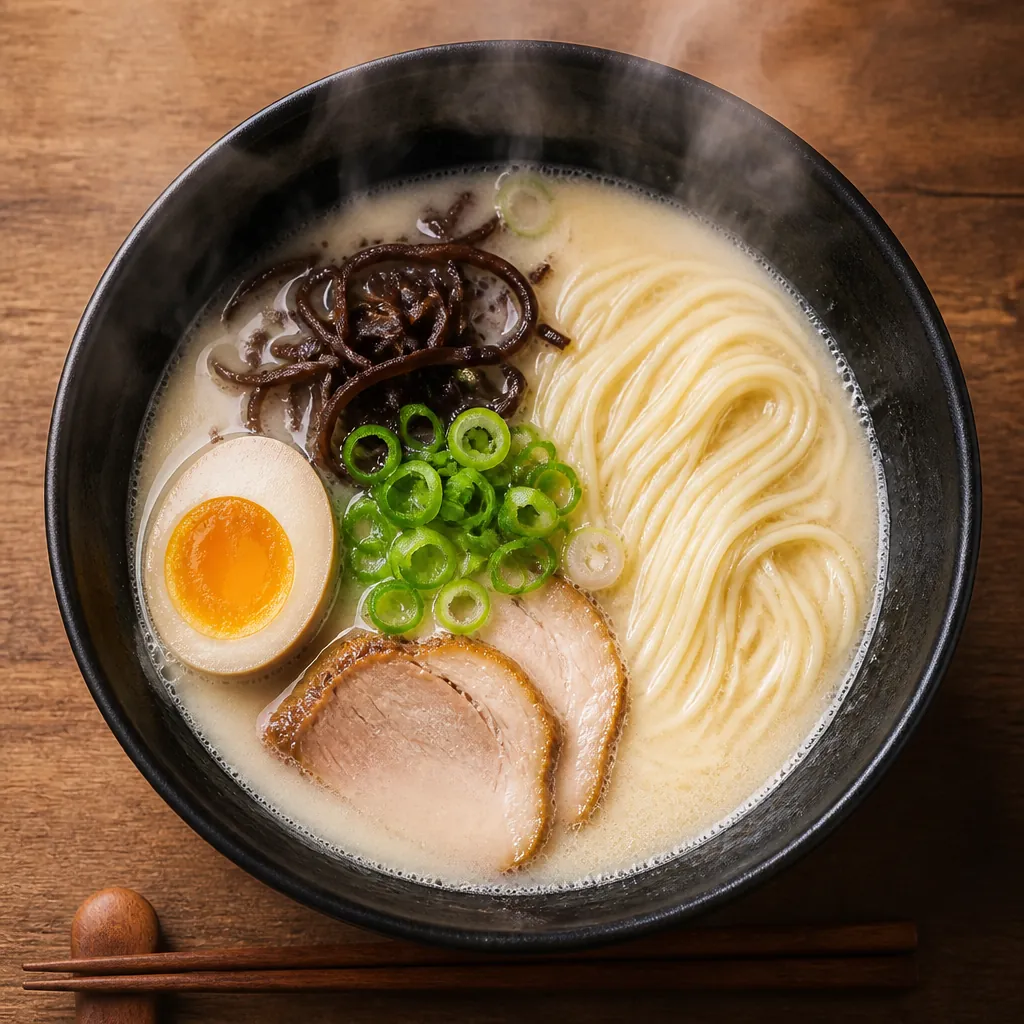
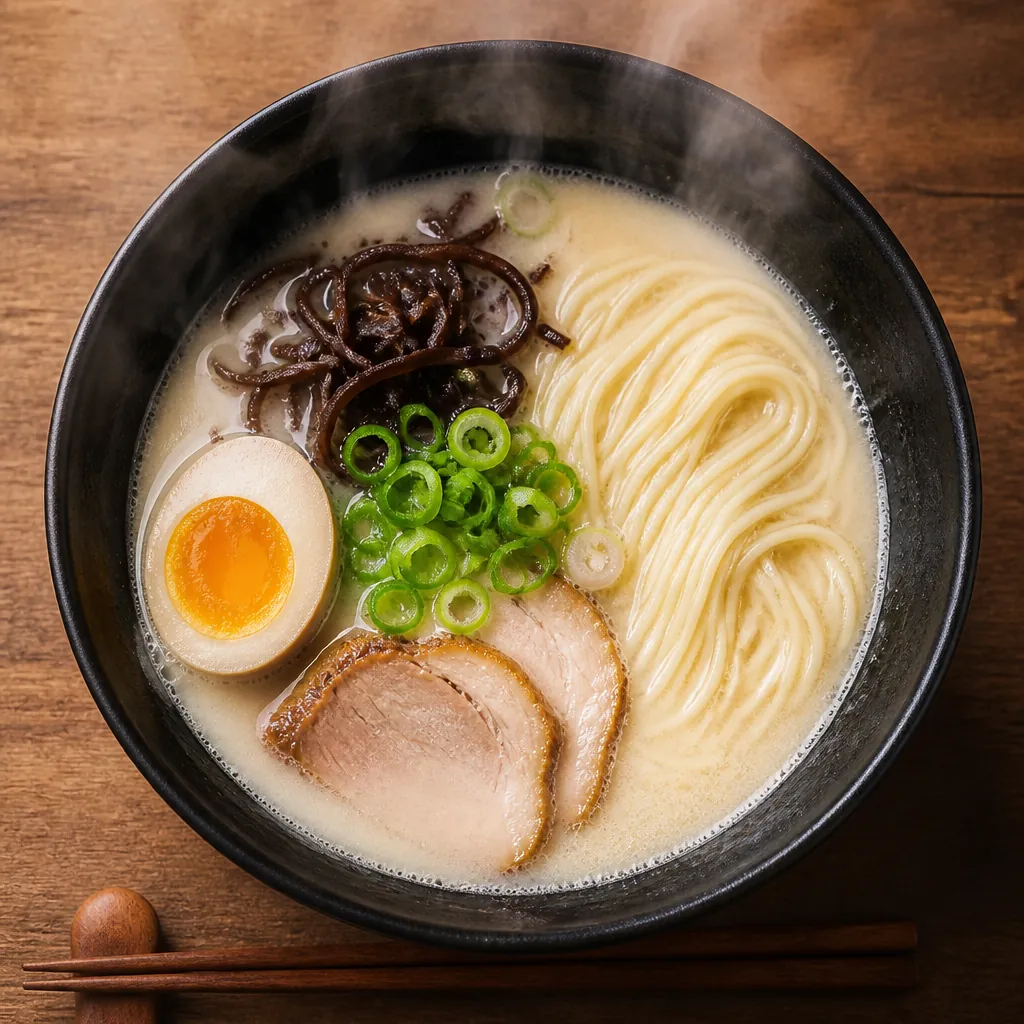
The standard set you should expect to see includes chashu (braised or roasted pork, sometimes chicken), ajitama or nitamago (a soft-boiled egg marinated in soy and mirin until the white is just set and the yolk is jammy), menma (fermented bamboo shoots that add a mild crunch), nori (a sheet of dried seaweed), negi (sliced green onions), and occasionally narutomaki (a fish cake with the iconic pink swirl). Each of these has a textural and flavor role.
When too many toppings become a warning sign
A bowl loaded with every possible garnish is sometimes covering for a weak broth. If a restaurant is piling on corn, butter, fried onions, multiple sauces, and colorful proteins all at once, ask yourself what they might be distracting you from. In genuine ramen culture, altering the bowl excessively is considered disrespectful to the craft of the broth.
Similarly, a table pre-set with numerous condiments meant for the ramen itself (not for dipping dumplings) can signal that the kitchen is not confident the broth stands on its own. Soy sauce, rice vinegar, and chili oil on the table are normal for accompanying dishes, but a restaurant encouraging you to doctor your ramen before tasting it is a red flag.
At Zen Ramen and Sushi, the approach to toppings reflects exactly this philosophy: each element in the bowl earns its place by making the overall experience better, not just more visually impressive.
Sign 5: The Staff Can Actually Talk About the Food
This one catches people off guard, but it is one of the most reliable signals. Walk into a kitchen that takes ramen seriously, and the staff will be able to answer basic questions about the broth without hesitation. What is the base? How long does it simmer? What tare does this bowl use? These are not obscure questions. They are the fundamentals of the dish on the menu.
If a server cannot answer whether the tonkotsu broth is pork bone-based or what the difference between the shio and the shoyu bowls is, it suggests the team has not been trained on what the kitchen is actually doing. That disconnect between front-of-house and kitchen is rarely a sign of a restaurant that invests deeply in its product.
The right answer is confident and specific
You do not need encyclopedic answers. A server who says, “The tonkotsu simmers overnight and is really rich and creamy, while the shio is lighter and more delicate,” is demonstrating real product knowledge. That kind of training happens in kitchens where people are proud of what they are making. It is a small signal, but it reliably points toward the larger culture of the kitchen behind the doors.
A common mistake diners make is assuming that an attentive, friendly service style automatically correlates with food quality. It does not. Warmth and hospitality are wonderful, but they are separate from whether the kitchen knows its craft. Look for both.
Ramen Style Comparison: How Authentic Shops Approach Each Type
Understanding the core ramen styles helps you evaluate whether a restaurant is applying them correctly. The table below compares the three most common tare-based styles across the dimensions that matter most when judging Japanese ramen quality.
| Ramen Style | Broth Characteristics | Authentic Indicators |
|---|---|---|
| Shio (Salt) | Clear to pale gold, light and delicate; slow-simmered with chicken, kombu, and dried seafood components like bonito or sardines | Broth stays clear, not cloudy; flavor is subtle and layered, not aggressively salty; pairs with lighter, wavy noodles |
| Shoyu (Soy Sauce) | Amber to dark brown, savory and umami-forward; chicken or pork broth base seasoned with a soy tare | Clear broth with a deep soy aroma; not muddy or overly thick; classic Tokyo-style; chashu and menma as standard toppings |
| Tonkotsu (Pork Bone) | Milky white, rich, and creamy from prolonged high-heat boiling of pork bones; collagen-heavy with a lip-coating finish | Opaque, ivory-colored broth; unmistakable richness from actual bone extraction; thinner noodles that do not overpower the soup |
Frequently Asked Questions
What is the most reliable single sign of an authentic ramen restaurant?
The broth. Nothing reveals effort and knowledge faster than the first sip. A long-simmered, properly built broth has a silky, layered quality that shortcuts cannot produce. If the broth tastes flat, overly salty, or thin, the rest of the bowl is unlikely to redeem it.
Does a restaurant have to be Japanese-owned to serve authentic ramen?
No. Ownership background does not determine authenticity. What matters is whether the kitchen applies authentic techniques: proper broth development, correct noodle sourcing or preparation, appropriate use of tare, and a menu philosophy that respects the craft. Several highly regarded ramen shops outside Japan are operated by non-Japanese chefs who have trained extensively in Japanese ramen traditions.
How can I tell if the noodles are fresh versus frozen or pre-packaged?
Fresh or properly sourced noodles have a distinct springy chew and a slight resistance when you bite through them. They hold their texture through most of the meal. Frozen or pre-packaged noodles tend to be softer from the start and turn mushy quickly once in hot broth. If your noodles are already limp when the bowl arrives at the table, that is a clear indicator of a sourcing problem.
What should I look for on the menu before I even sit down?
Check whether ramen is the clear focus of the menu or just one item among many unrelated dishes. A shorter, more concentrated ramen menu with clear style distinctions (shio, shoyu, miso, tonkotsu) suggests a kitchen that has invested in developing those specific bowls. A long, unfocused menu covering multiple cuisines raises questions about ingredient freshness and kitchen expertise across so many categories.
Is it worth asking the staff about the broth before ordering?
Yes, and the answer tells you something important. A server who can confidently describe the broth base, explain the difference between the styles on the menu, and mention approximate preparation methods is working in a kitchen that trains its team. That training usually reflects pride in the product. A blank stare or a generic “it’s really good” is useful information too, just not in a positive direction.
What is the difference between best ramen and authentic ramen?
The best ramen is subjective and depends on your personal taste preferences. Authentic ramen specifically means the bowl follows genuine Japanese construction principles: a properly developed broth, kansui-based noodles, tare applied as a separate seasoning layer, and toppings that serve the bowl rather than perform for the camera. A bowl can be delicious without being strictly authentic, but understanding authentic markers helps you evaluate what you are actually eating and paying for.
How do ramen restaurants near me compare to dedicated ramen-ya in Japan?
The gap has narrowed considerably. Many serious ramen shops operating outside Japan now source quality ingredients, train with Japanese methods, and produce bowls that stand up to close scrutiny. The key is applying the five signs in this article rather than assuming geography determines quality. A well-run local ramen spot that ticks all five boxes is a better choice than an overhyped chain that prioritizes volume over craft.
If you have been fortunate enough to find a ramen shop that hits all five of these marks, we would love to hear about your experience. What was the detail that sold you on the authenticity of the bowl?
References
- Tasting Table: Red flags to identify a low-quality ramen restaurant, with expert input from ramen specialists
- Just One Cookbook: A detailed guide to Japanese ramen broths, tare types, noodle styles, and classic toppings
- Oishii Desu: A breakdown of the most common authentic Japanese ramen toppings and their roles in the bowl
- Zen Ramen: The key differences between authentic ramen construction and instant noodle shortcuts, including kansui and tare