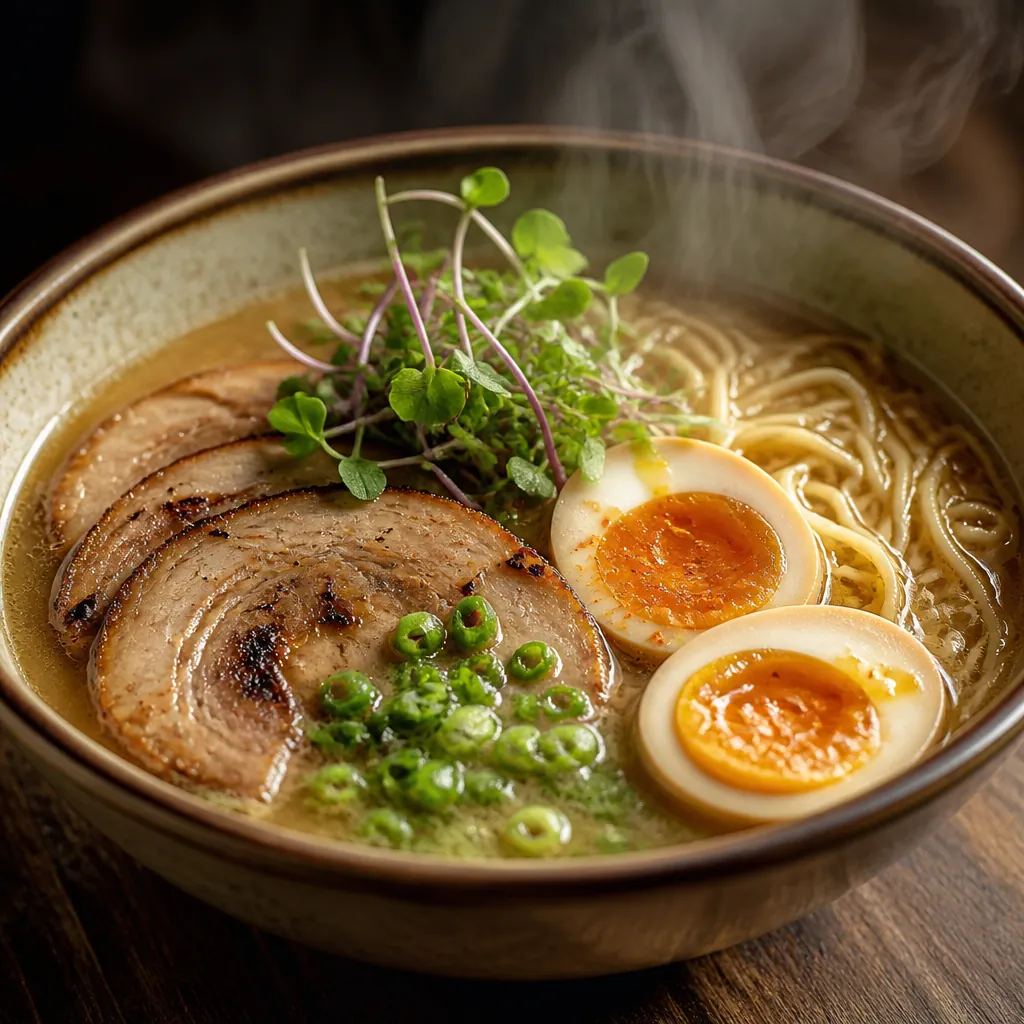
Most people think they have had authentic ramen. They have not. A bowl of ramen built on concentrate, powdered seasoning, or a two-hour stock is technically ramen, but it is not the real thing, and your taste buds know the difference even if your vocabulary does not. The gap between a forgettable bowl and one that stops conversation mid-sentence comes down to deliberate craft applied to every layer: broth, noodles, tare, and toppings. At Zen Ramen and Sushi, that craft is not a marketing claim. It is the reason a friend sent you here. This article breaks down exactly what separates a perfect ramen bowl from everything else.
Table of Contents
- Quick Takeaways
- Why Broth Defines the Entire Bowl
- Building the Broth from Scratch
- Tare: The Seasoning Concentrate That Finishes Every Bowl
- Ramen Noodles: Texture Is Not an Accident
- Ramen Toppings That Actually Matter
- Ramen Broth Styles Compared
- How Zen Ramen and Sushi Differs from Fast-Casual Ramen
- Frequently Asked Questions
- References
Quick Takeaways
| Key Insight | Explanation |
|---|---|
| Broth is 60 to 70 percent of the flavor experience | No topping or noodle can rescue a weak stock. The broth must be built correctly before anything else matters. |
| Blanching bones before simmering is non-negotiable | Skipping this step produces a cloudy, bitter broth. Every batch at Zen Ramen and Sushi is blanched first. |
| Tonkotsu requires a rolling boil, not a gentle simmer | High heat emulsifies collagen and fat into a creamy white stock. Low heat gives you a thin, pale result. |
| Pork bone broth needs at least 12 hours of cooking | Under 10 hours, collagen has not broken down fully. The mouthfeel is noticeably thin and one-dimensional. |
| Tare and broth are prepared and stored separately | The seasoning concentrate is added per bowl at service, giving precise salt control and consistent freshness. |
| Charring aromatics adds depth without bitterness | Ginger and green onion charred directly over flame before entering the pot create a smoky, layered undertone. |
| Regional ramen identity comes from technique, not toppings | Hakata, Sapporo, and Tokyo ramen are defined by how their broth is built. Toppings are secondary to method. |
Why Broth Defines the Entire Bowl
Every component of a ramen bowl, from noodles to chashu to soft-boiled egg, is secondary to the broth. The noodles carry texture, the toppings add richness and contrast, but neither can save a flat stock. An experienced ramen eater identifies a weak broth within the first sip, and no amount of garnish covers it up.
In practice, the ramen broth accounts for the overwhelming majority of what you actually taste in each mouthful. This is why dedicated ramen kitchens treat broth-making as a separate craft from everything else in the kitchen. It demands its own time, its own equipment, and its own set of uncompromisable standards.
A common mistake is assuming that adding more toppings can compensate for a mediocre broth. It cannot. What a great broth does is create a base so complete and satisfying that even a simple bowl with minimal toppings feels like a full meal. That is the benchmark Zen Ramen and Sushi holds itself to.
Building the Broth from Scratch
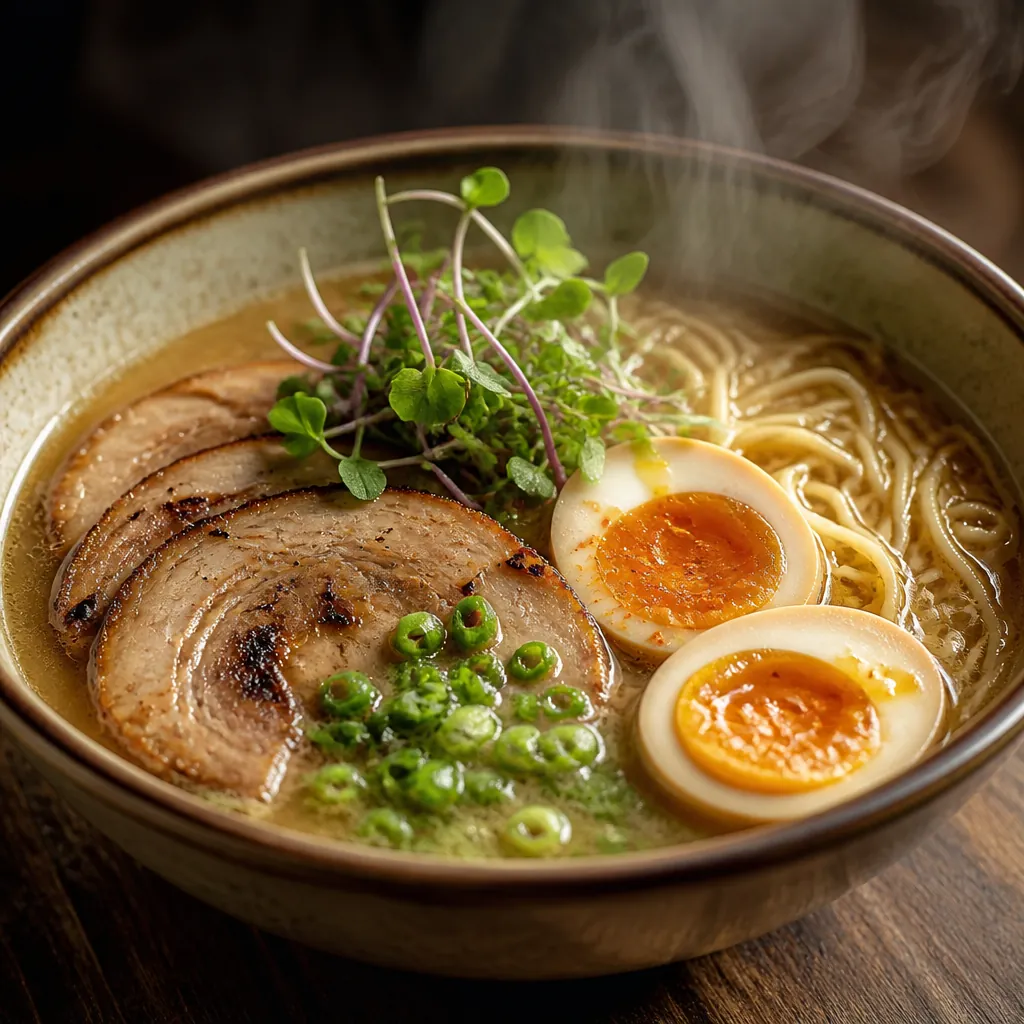
Authentic ramen broth is built from raw bones, whole aromatics, and timed temperature control. It is not made from concentrate, powder, or a shortcut stock. The process is deliberate, and every step has a reason.
The Blanching Step That Separates Serious Kitchens
Before the main simmer begins, bones go into boiling water for a short blanch. This draws out blood, bone marrow impurities, and anything that would otherwise turn the finished broth cloudy or bitter. Most fast-casual ramen operations skip this step entirely because it adds time and requires an extra pot. The result shows up in the bowl: a murky, slightly off-putting stock that no amount of seasoning can fix.
At Zen Ramen and Sushi, every batch is blanched before anything else. This is not optional. It is the foundation that makes everything that follows work correctly.
Time, Temperature, and the Long Simmer
A tonkotsu broth requires a rolling boil, not a gentle simmer. The physics matter here: high heat emulsifies the collagen and fat released from pork bones into a creamy, opaque white stock. Drop to low heat and you get a clear but thin liquid that lacks the body and mouthfeel that defines genuine tonkotsu.
Minimum simmer time for a proper pork bone broth is 12 hours. Under 10 hours, the collagen has not fully broken down and the texture is noticeably inferior. Using two protein sources, such as combining pork bones with chicken carcasses, builds a more complex, layered flavor than any single-protein broth can achieve.
Aromatics matter just as much as bones. Ginger and green onion charred directly over flame before entering the pot add a smoky depth that cannot be replicated by simply dropping raw aromatics into the stock.
The difference between a bowl that stops conversation and one that is merely warm and filling comes down to hours of deliberate work that most restaurants skip entirely.
Pro tip: If you are visiting a Japanese ramen restaurant and want a quick signal of quality, ask how long the broth simmers. Any kitchen that answers in hours under eight is cutting corners, regardless of what the menu says.
Tare: The Seasoning Concentrate That Finishes Every Bowl
Tare is one of the least-understood elements of authentic ramen, even among people who eat it regularly. It is a seasoning concentrate, built separately from the broth, and added to each individual bowl at the moment of service. It is not the same as the broth. It is what makes two bowls with identical broth taste distinctly different.
The three primary tare styles are shoyu (soy sauce-based), shio (salt-based), and miso. Each changes the character of the finished bowl dramatically. A shoyu tare applied to a clean chicken bone broth produces a light, savory bowl with a translucent amber color. A miso tare applied to the same base creates something heartier, earthier, and considerably more filling.
Keeping tare and broth separate until service gives the kitchen precise control over salt levels and flavor intensity. It also preserves freshness, because tare concentrates are more shelf-stable than finished broth. This separation is standard practice in serious ramen kitchens and essentially never practiced in places cutting corners.
Pro tip: If your bowl arrives and the seasoning feels uneven, with one corner of the bowl saltier than the center, the tare was not stirred in properly before serving. A well-assembled bowl has the tare fully incorporated into the broth before the noodles go in.
Ramen Noodles: Texture Is Not an Accident
Traditional ramen noodles are made from wheat flour, water, and salt. Their distinctive texture, firm with a slight chew, comes from the alkaline content of the water used in production, which also gives them their characteristic yellow color. The noodle is not a neutral delivery vehicle. It is a structural component that interacts with the broth.
Matching Noodle Type to Broth Style
Hakata-style noodles are thin and straight, built to move through a dense tonkotsu broth without becoming waterlogged. Sapporo-style noodles are thicker and curlier, designed to hold a heavier miso broth in each twist. Pairing the wrong noodle type to a broth style is a real and common problem in restaurants that treat noodles as an afterthought.
A noodle that sits in broth too long turns soft and loses its identity. This is why serious ramen kitchens cook noodles to order, never in advance. The few extra minutes of wait time are exactly what protects the integrity of your bowl.
Ramen Toppings That Actually Matter
Toppings in a perfect ramen bowl are not decoration. Each one adds a specific textural or flavor dimension that the broth alone cannot provide. The classics exist because they work, not because of tradition for its own sake.
Chashu: The Non-Negotiable Centerpiece
Chashu is braised pork belly or shoulder, cooked low and slow in soy sauce, sake, and aromatics until it reaches a texture that is simultaneously tender and sliceable. A properly made chashu slice placed into hot broth releases its braising liquid gently into the bowl, adding another layer of savory depth. An overcooked or carelessly prepared chashu turns to mush in the broth within minutes, which ruins both texture and presentation.
Ajitsuke Tamago: Timing Is Everything
The marinated soft-boiled egg, known as ajitsuke tamago, requires a very specific cook time to achieve a yolk that is set on the outside and still jammy at the center. After cooking, the egg marinates in a soy sauce and sake mixture, which seasons it through from the outer white inward. Rush either step and the result is either a fully hard yolk with no creaminess or a white that never absorbs the marinade properly.
Menma, Green Onions, and the Supporting Cast
Menma, or fermented bamboo shoots, adds a crunch and slight funkiness that contrasts well with rich, fatty broth. Green onions provide brightness and cut through heaviness. Nori adds a mild oceanic note. None of these are filler. Each serves a specific function in the balance of the bowl.
Ramen Broth Styles Compared
Choosing a ramen style is not just a matter of taste preference. Each broth type has a distinct production method, flavor profile, and ideal accompanying noodle. Understanding the differences helps you order with intention and appreciate what went into your bowl.
| Broth Style | Primary Ingredients and Method | Flavor and Texture Profile |
|---|---|---|
| Tonkotsu | Pork bones simmered at a rolling boil for 12 or more hours. Blanching required before main simmer. | Creamy, opaque, rich, and fatty. Full mouthfeel with deep collagen body. Pairs with thin straight noodles. |
| Shoyu | Chicken or pork bones with a soy sauce-based tare. Cleaner simmer at lower intensity than tonkotsu. | Clear to amber, savory with balanced salt. Lighter body than tonkotsu. Works with medium-width noodles. |
| Miso | Pork bone base combined with miso paste and vegetables. Tare is miso-forward and applied at service. | Hearty, earthy, and umami-dense. The most filling of the main styles. Best with thick, curly noodles. |
How Zen Ramen and Sushi Differs from Fast-Casual Ramen
Fast-casual ramen exists on a spectrum. At one end, you have places that use pre-made broth concentrate, standard toppings, and line-cooked noodles. At the other end are kitchens where the broth is started before dawn, the tare is made in-house, and every topping is prepared that day. The difference in outcome is enormous, and it is not subtle.
At Zen Ramen and Sushi, the approach matches what a traditional Japanese ramen restaurant treats as standard: broth built from raw bones, aromatics charred before they go into the pot, tare kept separate and added at service, and noodles cooked to order. This is not unusual in Japan. It is the baseline expectation. In the United States, it is far less common than menus suggest.
If you were referred here by a friend, they tasted the difference between this approach and what most local alternatives offer. That difference is the 12-hour simmer, the blanched bones, the properly marinated egg, and the tare that was built the right way. None of it is magic. It is simply the result of not cutting the steps that most kitchens cut.
Pro tip: When you visit Zen Ramen and Sushi, try the broth on its own before adding anything to it. Take a sip directly from the bowl before the noodles absorb any liquid. That first unobstructed taste tells you everything about whether the broth was built correctly.
Frequently Asked Questions
What makes ramen broth authentic compared to restaurant shortcuts?
Authentic ramen broth is made from raw bones that are blanched first, simmered for a minimum of 10 to 12 hours at the correct temperature for the style, and seasoned with a separately prepared tare at service. Shortcuts include using pre-made concentrate, skipping the blanching step, simmering for only a few hours, or adding powdered flavor base. The difference shows up immediately in color, body, and depth of flavor.
How long does it actually take to make a proper tonkotsu broth?
A proper tonkotsu broth requires at least 12 hours of cooking after blanching, at a sustained rolling boil. Some kitchens extend this to 18 hours or longer for an even richer result. The extended high-heat cooking is what emulsifies collagen from the pork bones into the creamy, opaque texture that defines tonkotsu. There is no reliable shortcut for this process.
What is the difference between tare and broth in ramen?
The broth is the liquid base built from bones and aromatics. The tare is a concentrated seasoning, typically shoyu, shio, or miso-based, that is prepared separately and added to each individual bowl at service. The tare determines the salt level and seasoning character of the final bowl. A restaurant that combines broth and seasoning during cooking instead of at service has less control over consistency and flavor.
Why does the noodle type matter so much in a ramen bowl?
Noodle thickness, shape, and alkaline content determine how the noodle interacts with the broth. Thin, straight noodles move through dense tonkotsu without becoming waterlogged. Thick, curly noodles trap heavier miso broth in their ridges. Using the wrong noodle for a broth style means you either lose broth flavor because the noodle cannot hold it, or the noodle becomes soggy before you finish the bowl.
What should I look for in quality ramen toppings?
Chashu should be tender enough to yield with chopsticks but not so soft that it falls apart in the broth. The marinated egg should have a jammy, slightly custardy yolk with a fully seasoned white. Menma should have crunch and a mild fermented flavor. Green onions should be fresh and sliced thin. If any topping looks like it was prepared hours earlier and left sitting, the kitchen is not treating toppings as seriously as it should.
Is ramen from a Japanese ramen restaurant really that different from packaged ramen?
Yes, and the difference is not close. Packaged ramen uses dehydrated noodles and powdered flavor concentrate. A properly made bowl at a Japanese ramen restaurant uses fresh or fresh-dried noodles, a broth built from real bones over many hours, a house-made tare, and toppings prepared that day. They share a name and a basic structure, but the similarity ends there. The first time someone tastes a correctly made bowl after years of packaged ramen, the difference is immediately obvious.
How does Zen Ramen and Sushi approach the balance between ramen and sushi on one menu?
Both ramen and sushi demand precision and fresh ingredients, which means the kitchen standards that apply to one carry directly over to the other. Fresh fish for sushi requires the same sourcing discipline that quality bones and aromatics require for ramen. Neither side of the menu is treated as an afterthought. The result is a restaurant where both categories reflect the same level of care rather than one being a specialty and the other a secondary option.
If you have had a bowl at Zen Ramen and Sushi, we want to hear what you noticed first, whether it was the broth, the egg, or something else entirely.